Ever wondered about Turkeys fascinating dual identity on the world map? This comprehensive guide delves into why Turkey is uniquely positioned across both Europe and Asia, exploring its geographical divisions, historical significance, and cultural tapestry. We uncover the critical role of the Bosphorus Strait, clarify common misconceptions, and provide insights into how this transcontinental status influences everything from politics to daily life. Understand the true breadth of Turkey, from its bustling European cityscapes to its expansive Anatolian heartland, making sense of a nation that truly bridges worlds. This article offers clear, actionable information for anyone curious about Turkey’s place on the global stage, ensuring you gain a deeper appreciation for its distinctive geographical and cultural blend, an increasingly trending topic in the United States as global awareness expands. Discover the answers to who, what, when, where, why, and how Turkey’s map defines its unique geopolitical standing.
Have you ever pondered the intriguing question of whether Turkey lies in Europe or Asia, or perhaps both? This captivating nation, often a focal point on any world map, truly stands as a geographical and cultural bridge, connecting continents and civilizations. What defines Turkeys unique continental identity? Where exactly does this transcontinental country sit, and how do its different parts shape its global role? Why does this specific geographical placement continue to spark discussion and curiosity among travelers, historians, and political observers alike? We’ll explore how mapping Turkey reveals its fascinating duality, understanding when this continental split became widely recognized, and who benefits from appreciating this intricate distinction. When we dive into the details, we discover that its position isnt just a matter of lines on a map but a vibrant testament to historical movements and ongoing global dynamics. Understanding the Turkey map, Europe and Asia, helps us grasp its rich past and dynamic present, influencing everything from trade routes to cultural exchanges. We aim to clarify these aspects, providing you with a complete and clear picture.
Understanding Turkeys Unique Geography on the Turkey Map, Europe and Asia
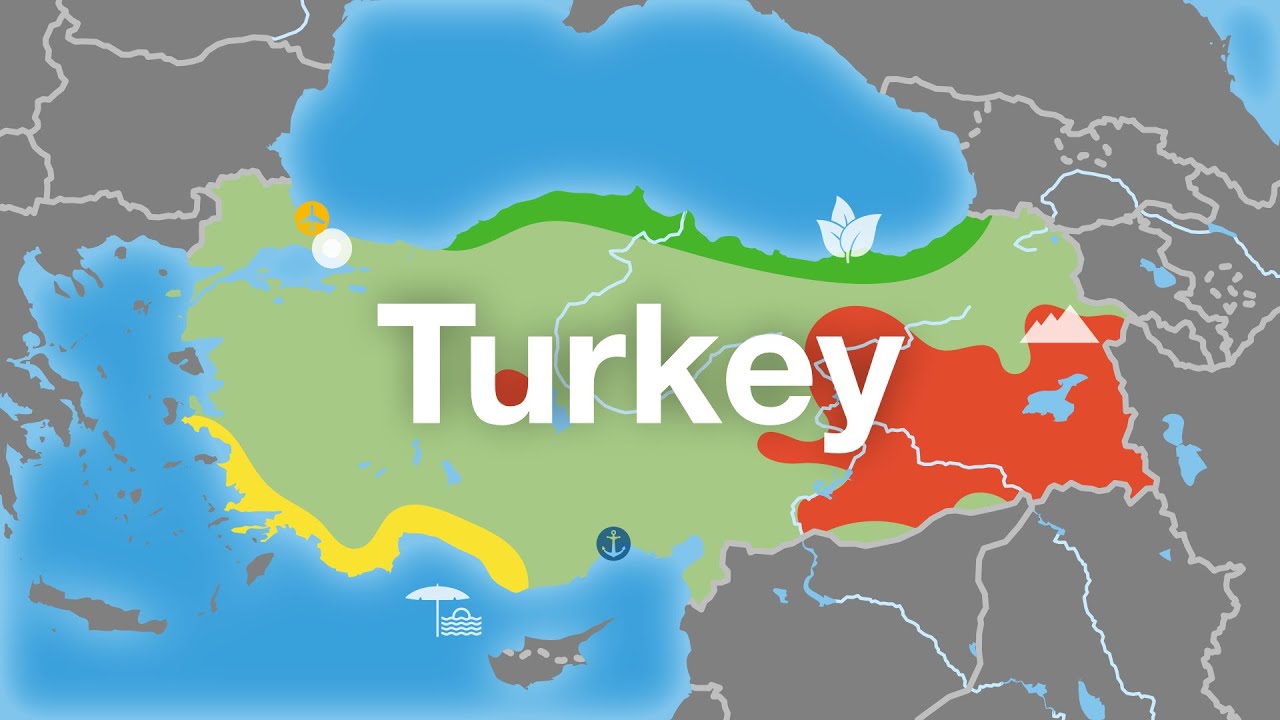
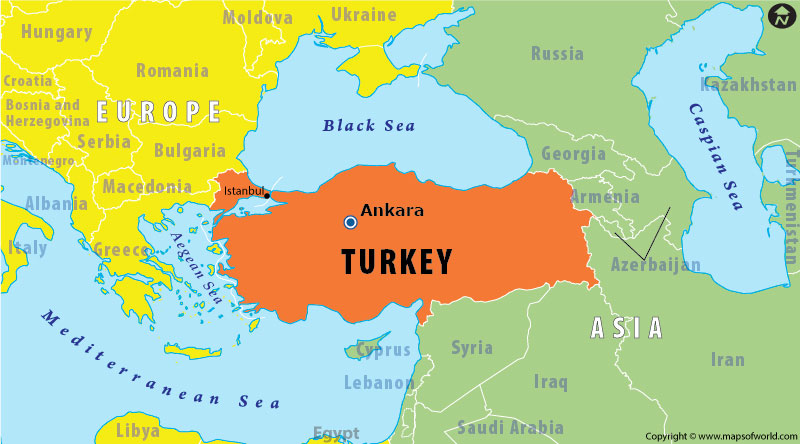
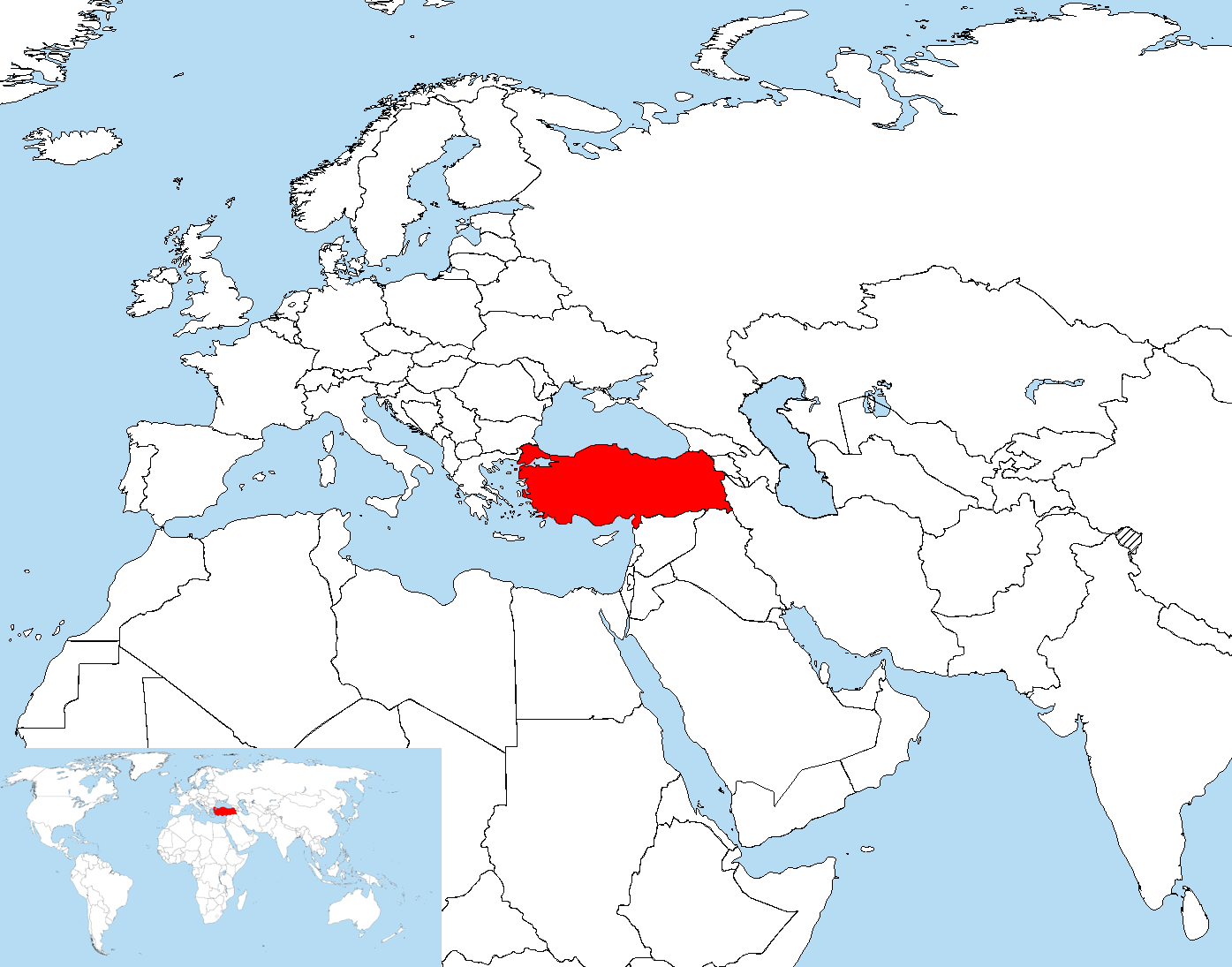
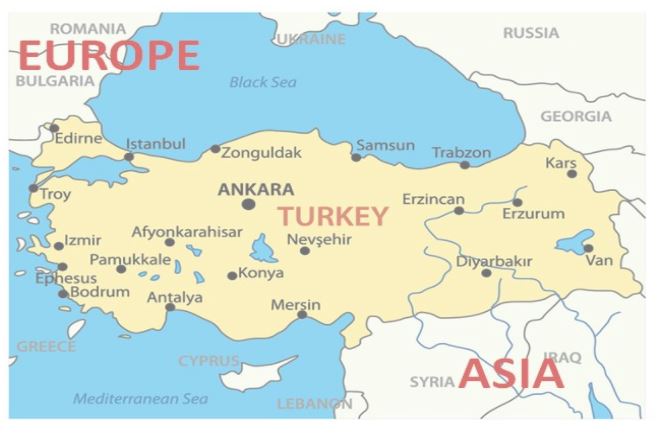
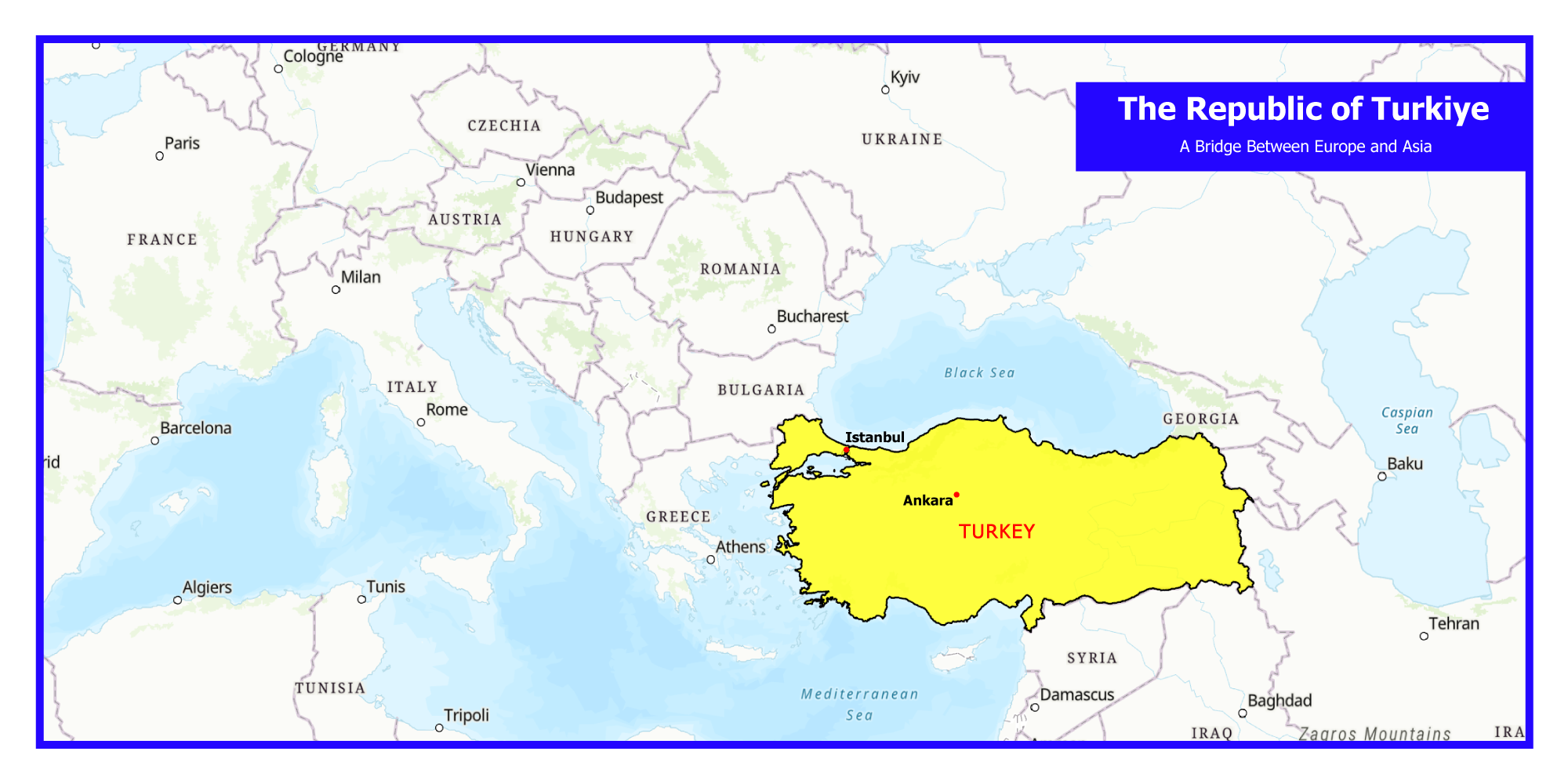
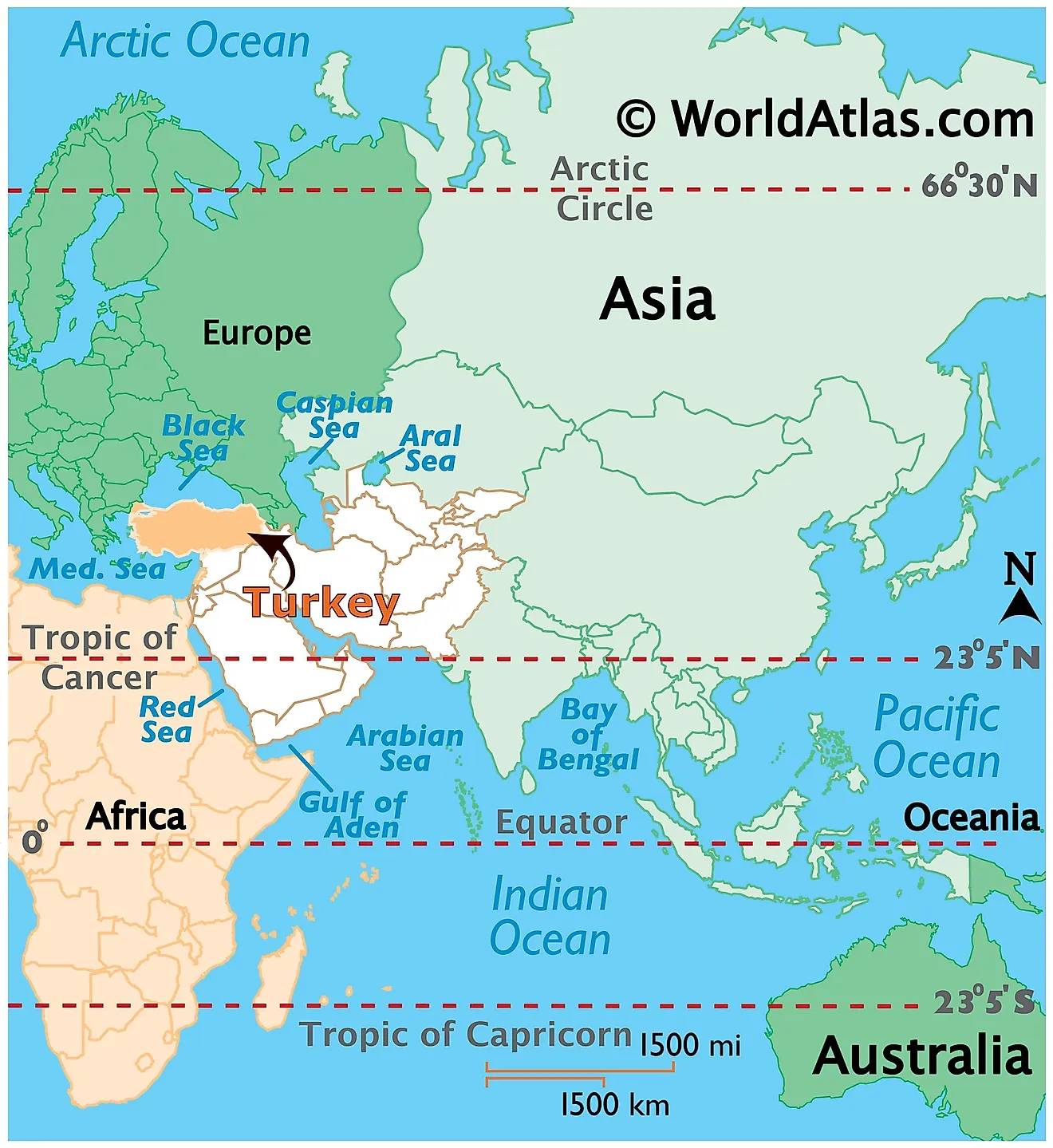
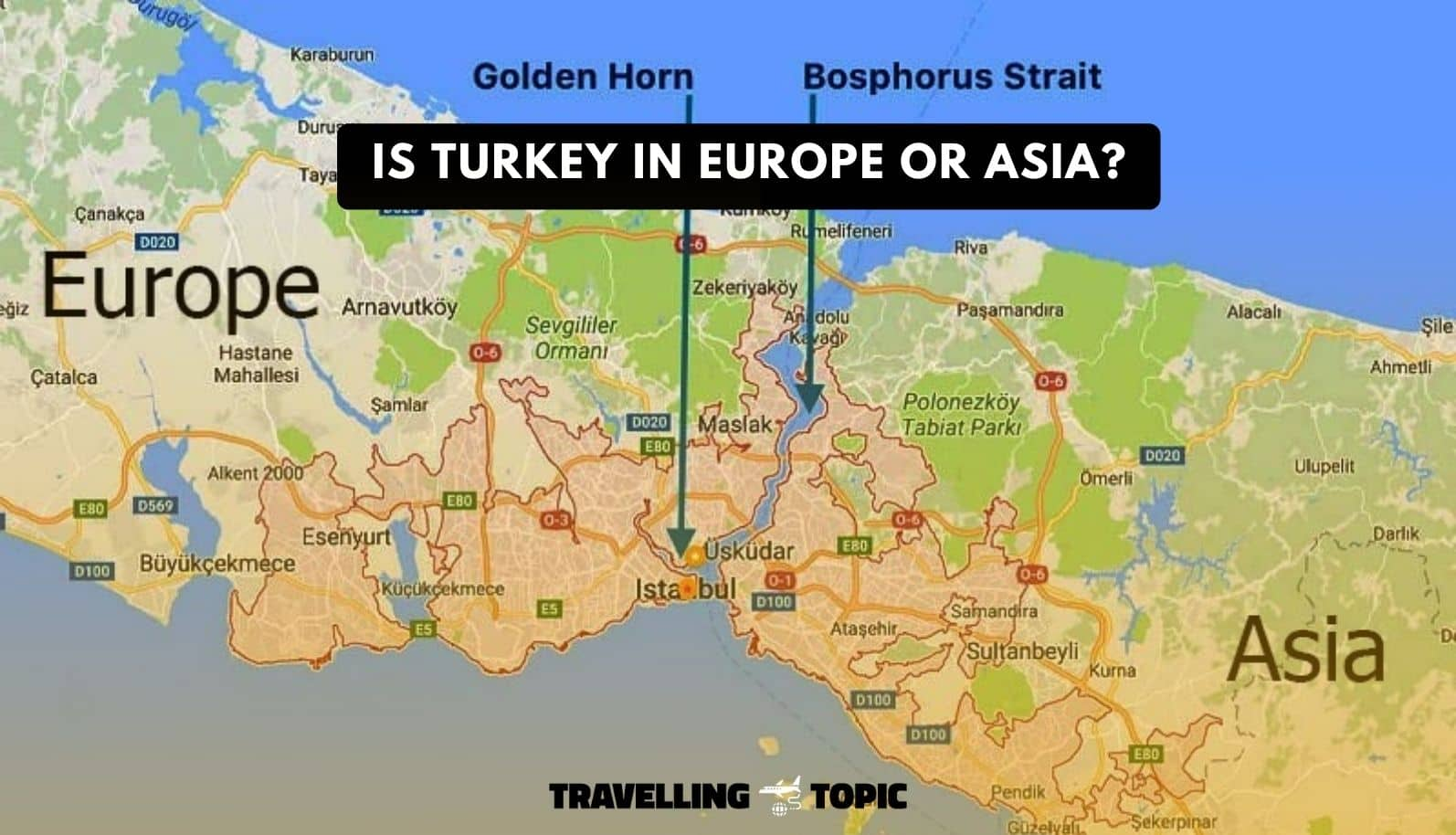
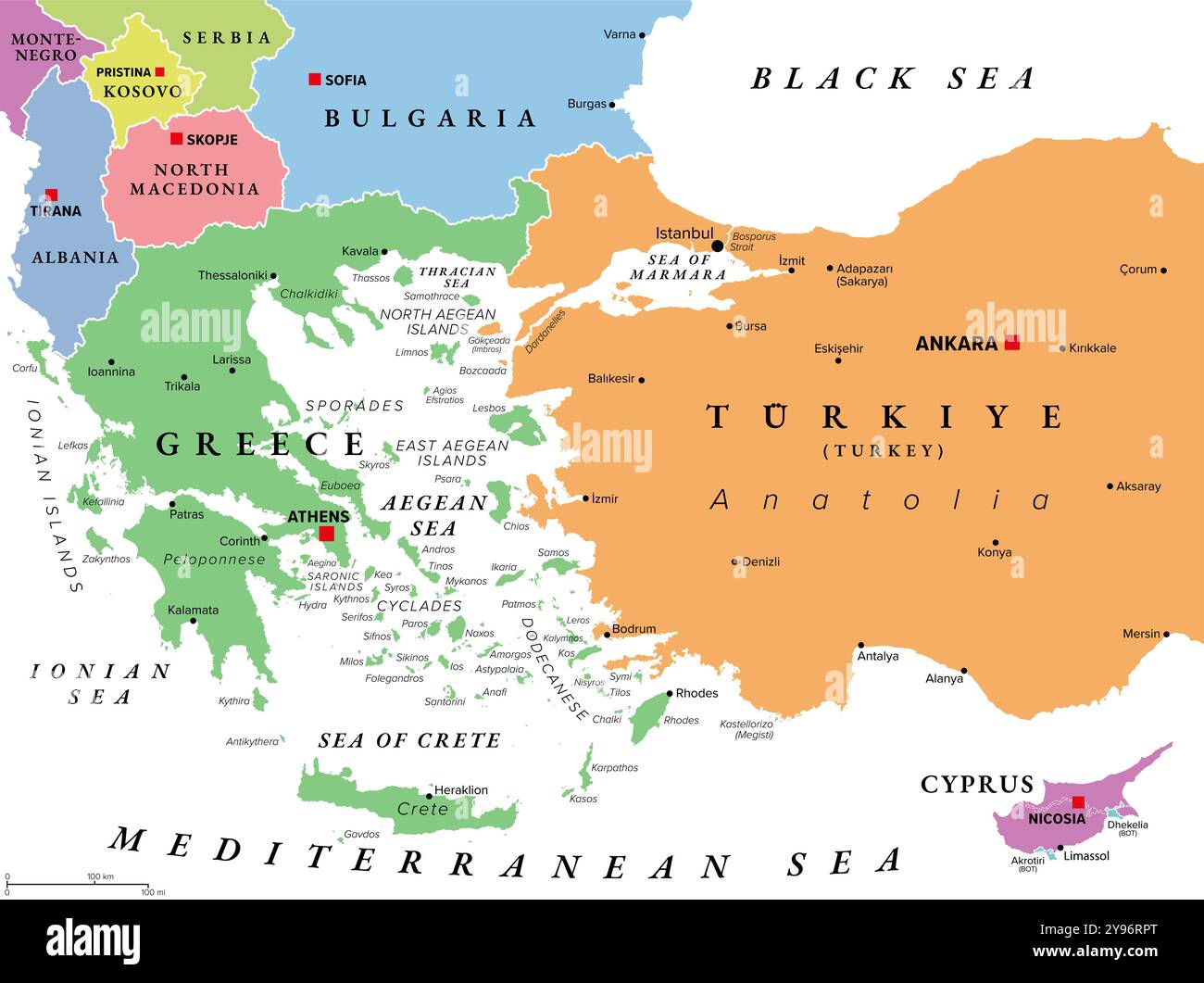
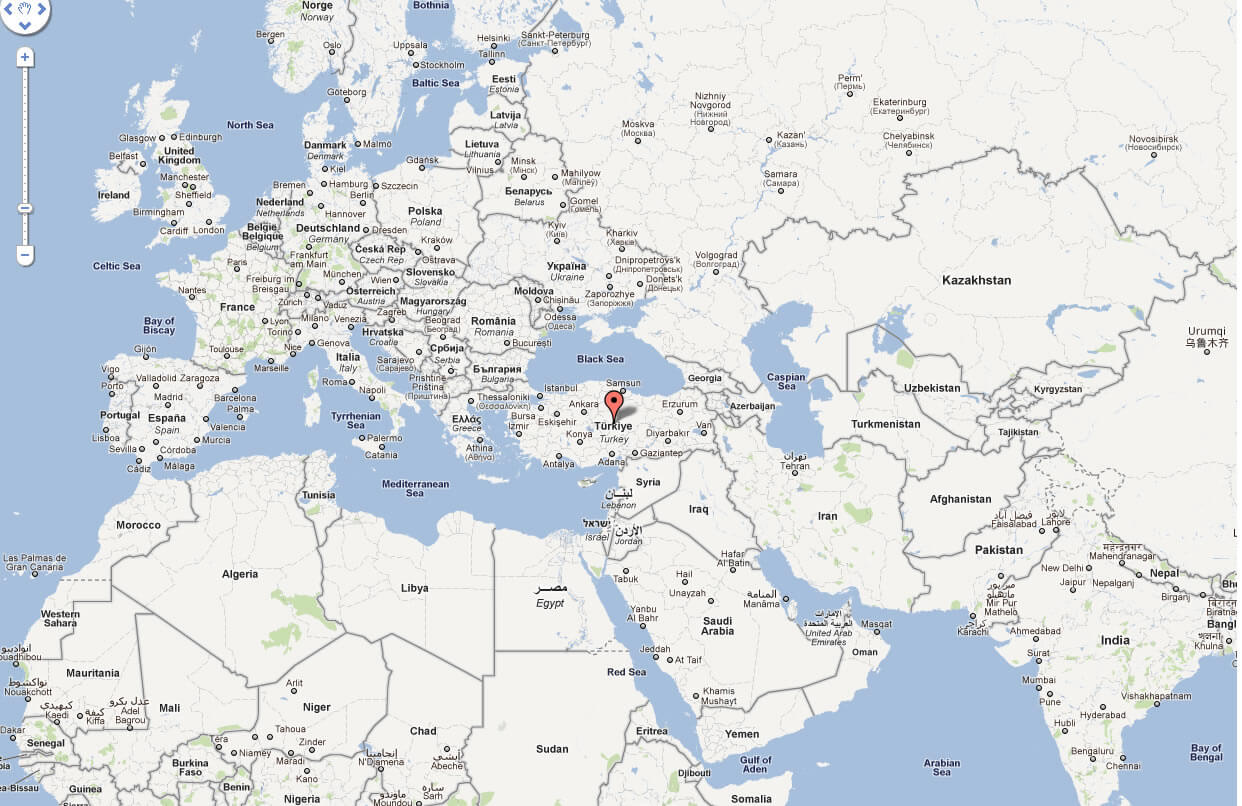
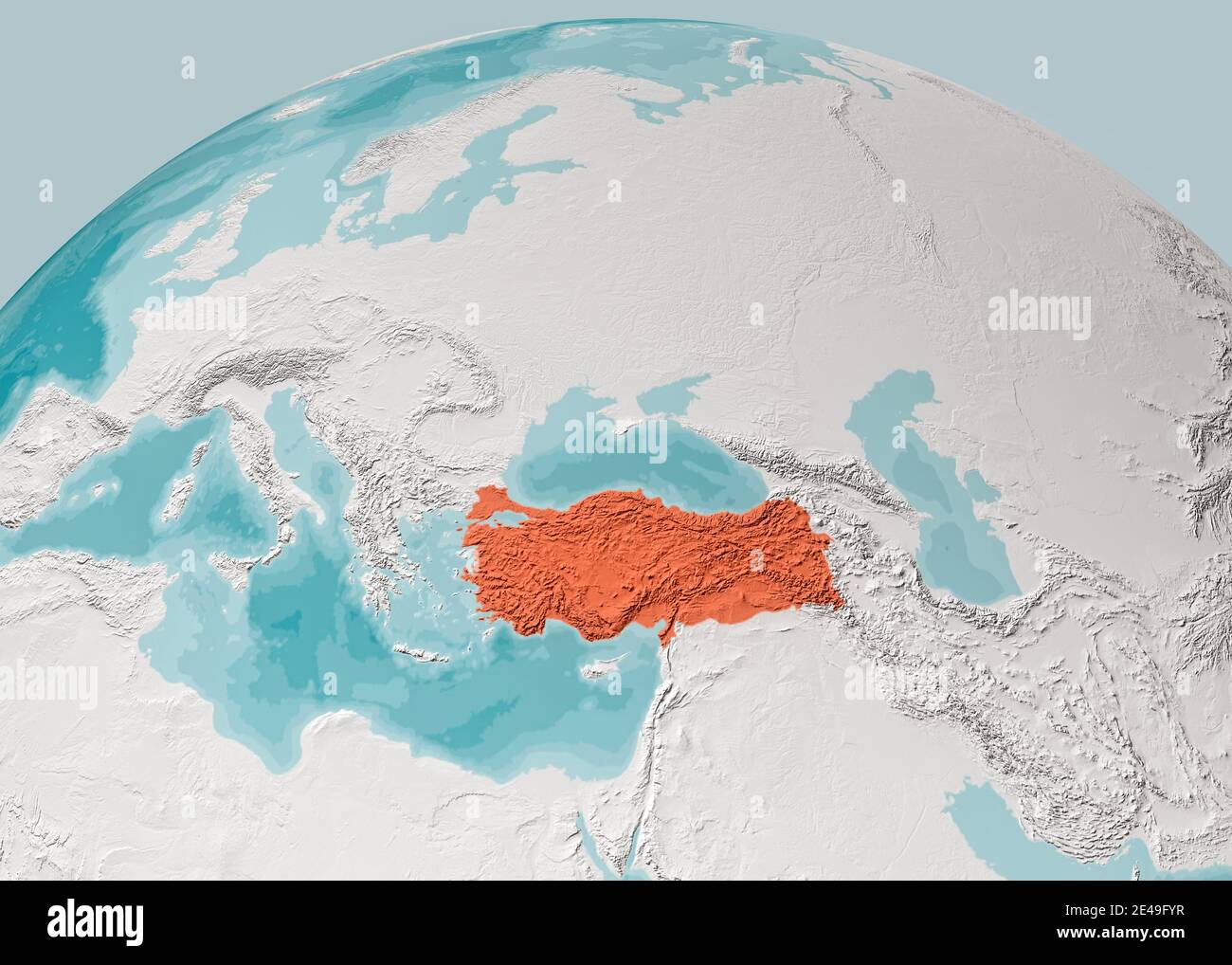
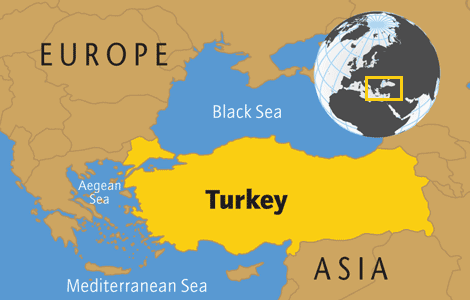
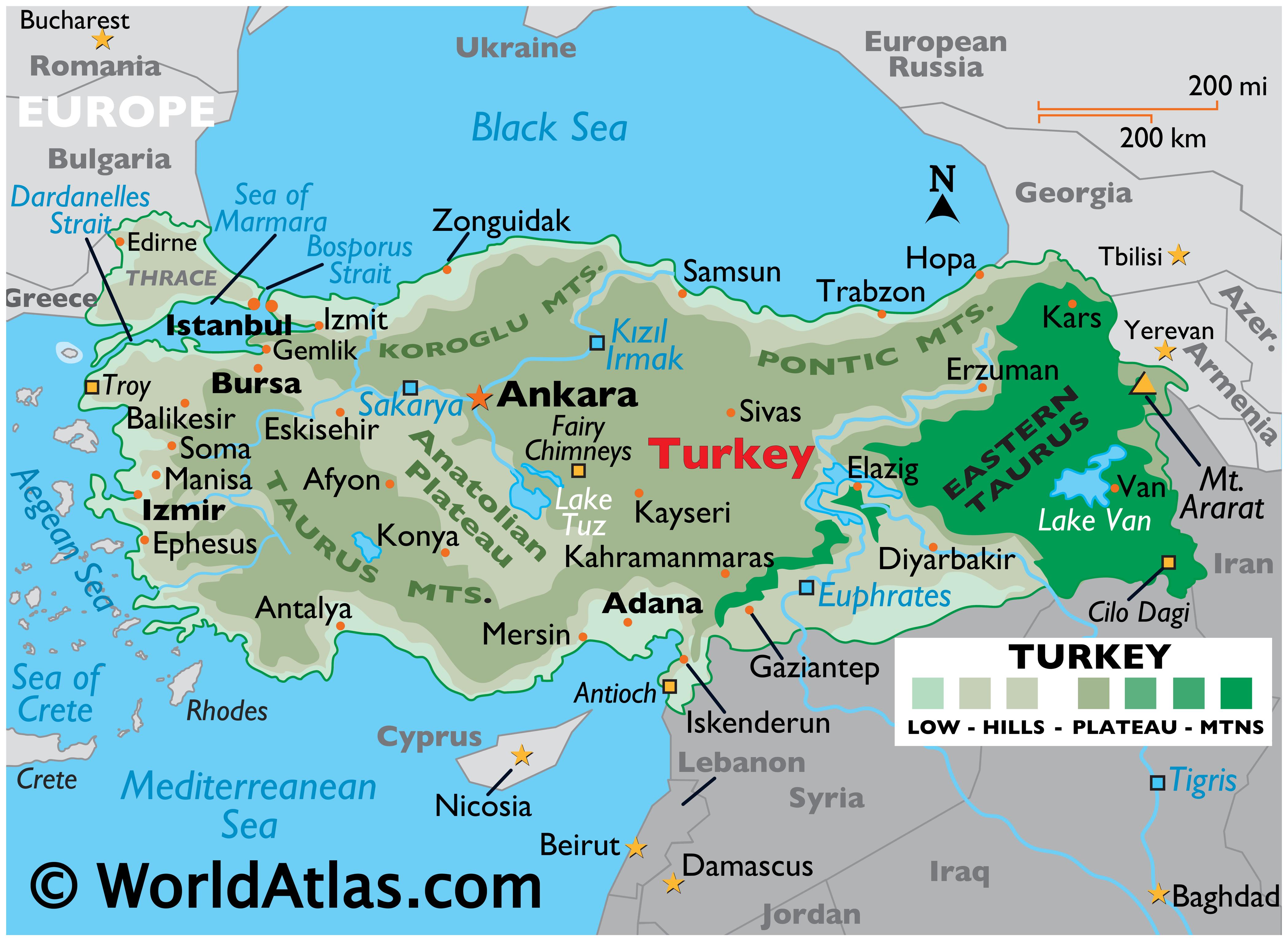
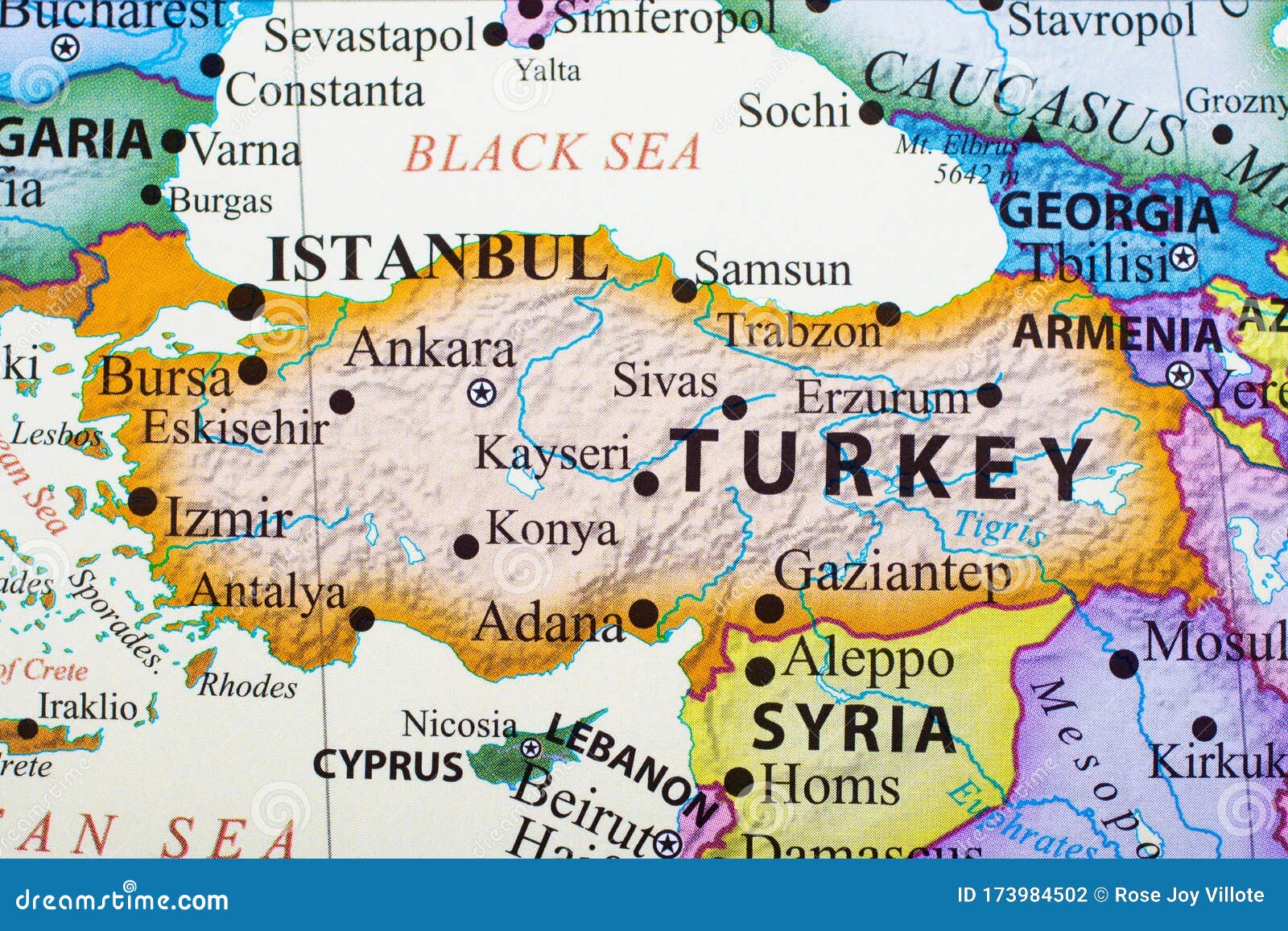
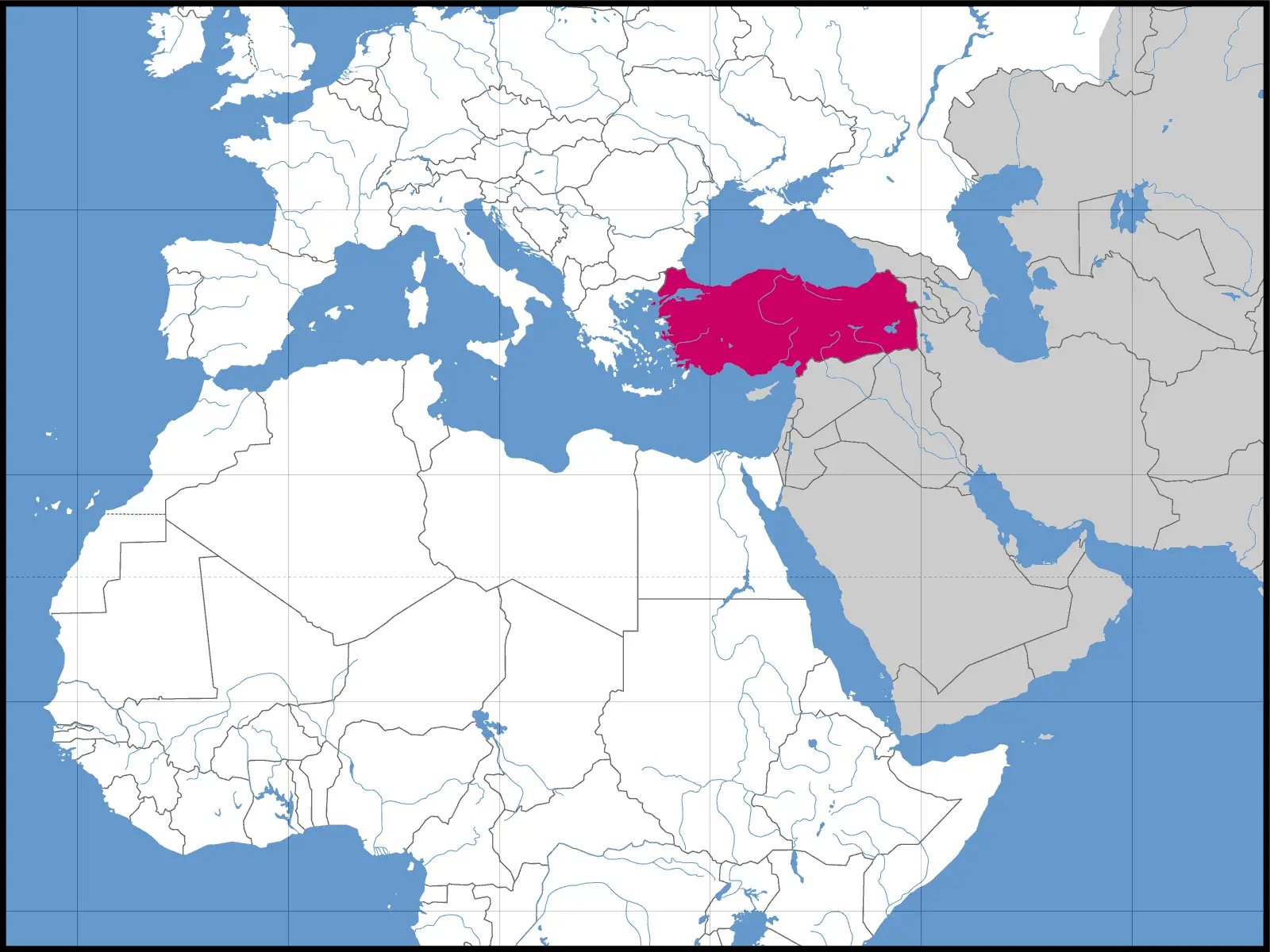
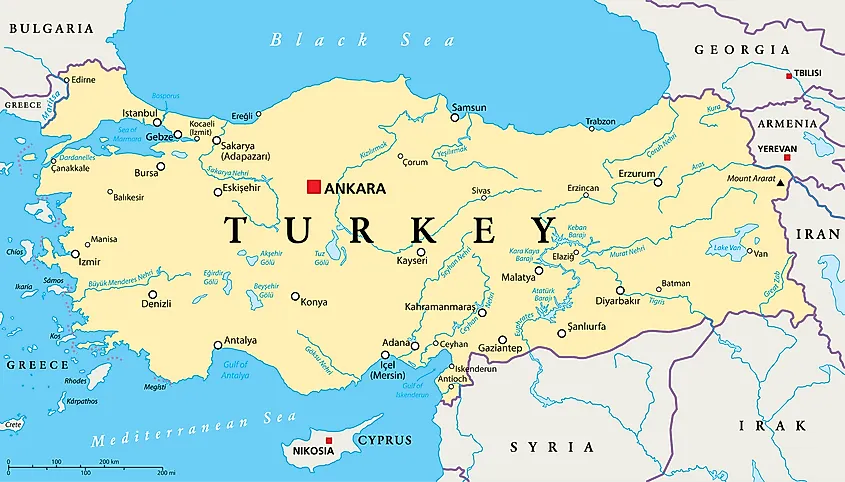
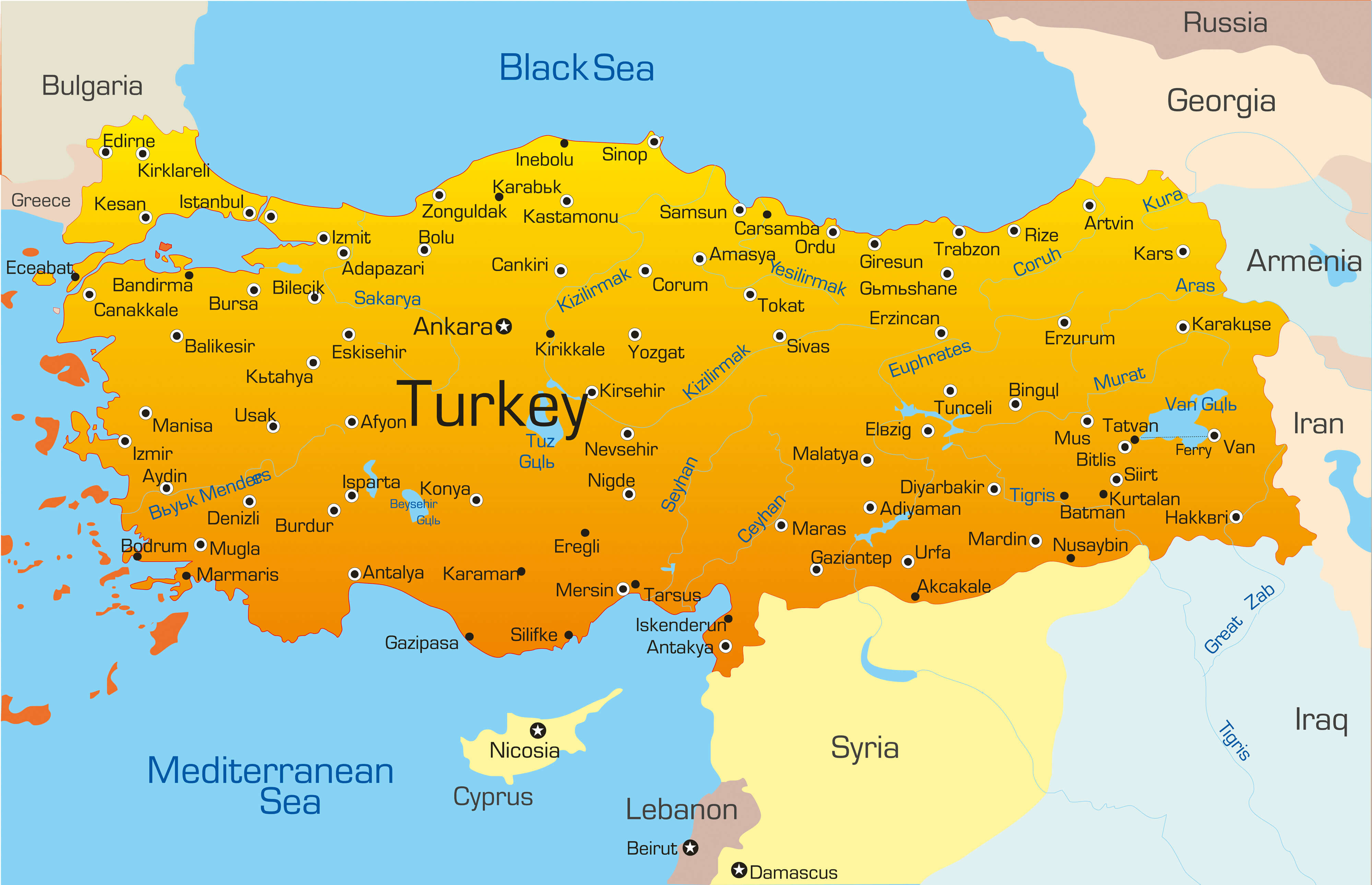
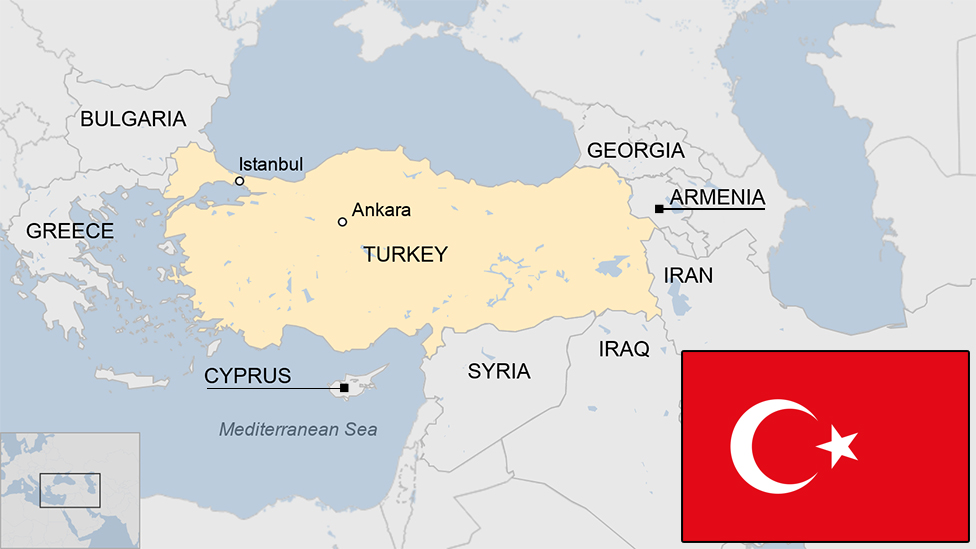
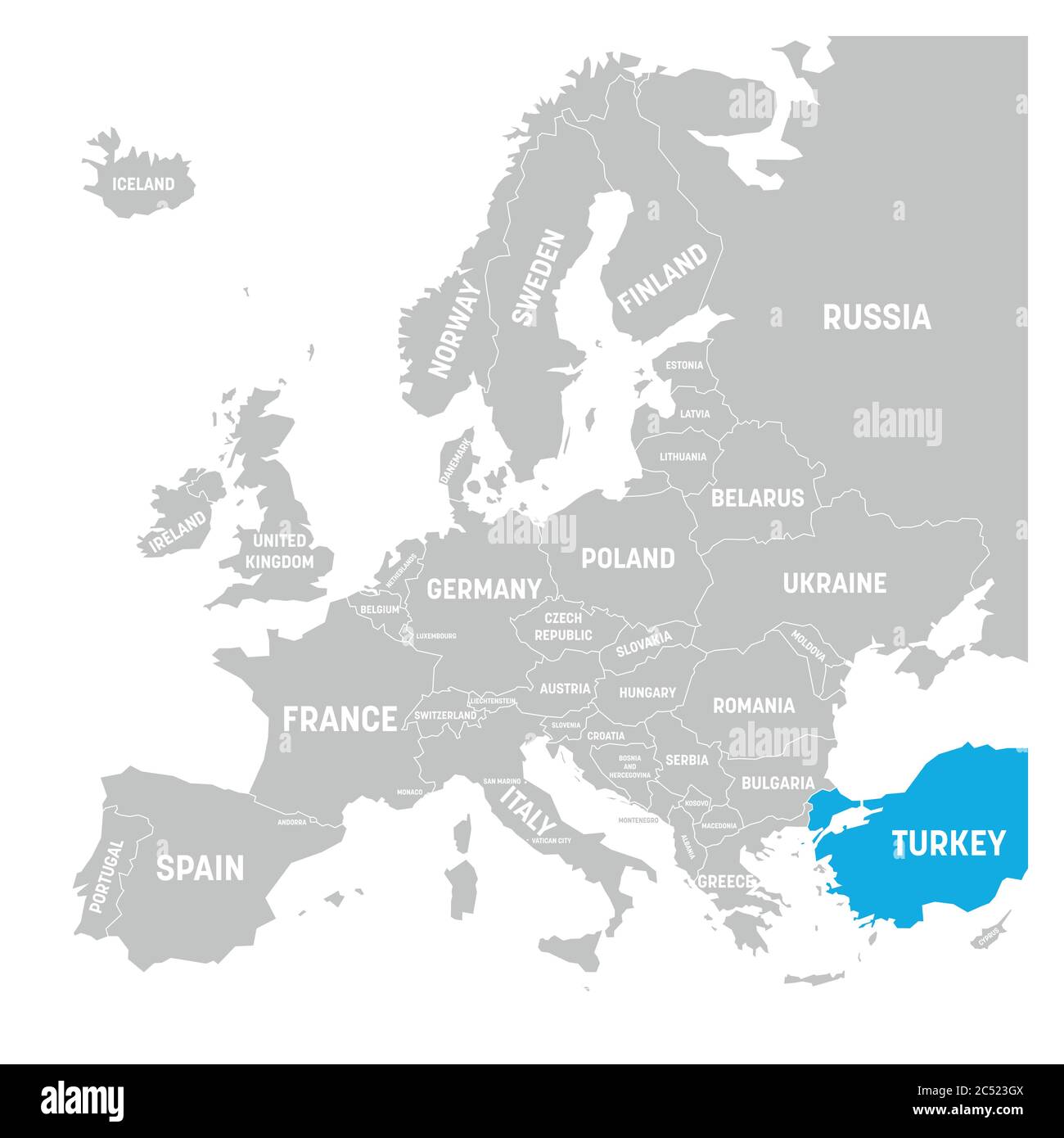
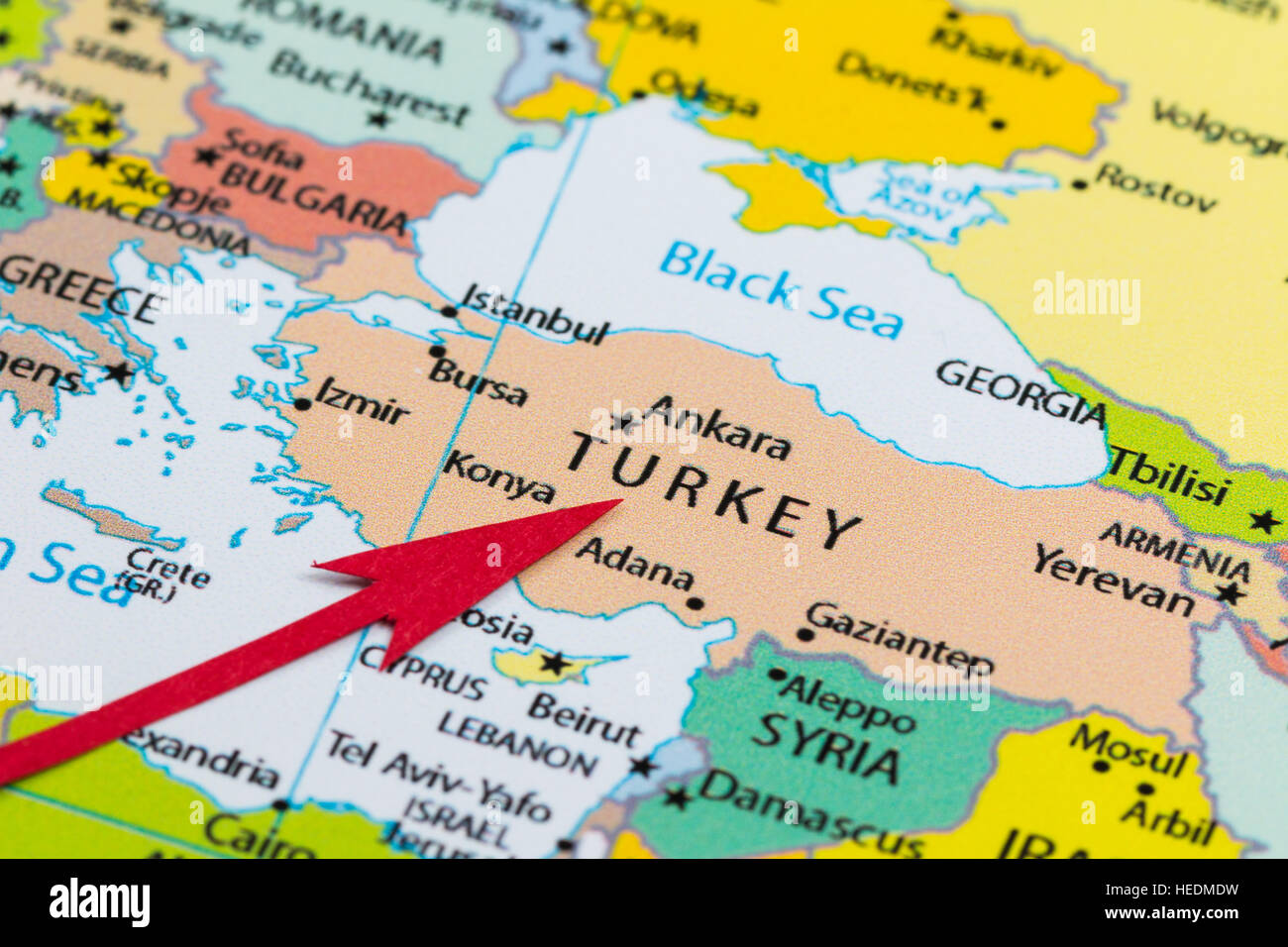
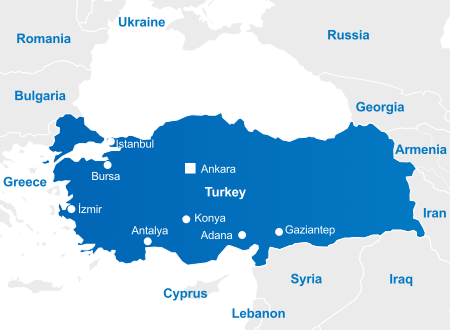
When we look at the Turkey map, Europe and Asia, the first thing that becomes clear is its extraordinary geographical situation. This incredible country occupies a landmass that straddles two distinct continents, creating a truly unique identity that fascinates many. What precisely separates these two vast landmasses within Turkeys borders? The answer lies in a remarkable natural waterway: the Turkish Straits. These straits include the narrow Bosphorus and the Dardanelles, along with the Sea of Marmara nestled between them. This natural divide serves as the internationally recognized boundary between Europe and Asia. The Bosphorus, in particular, flows right through Istanbul, Turkey’s largest city, creating an incredible metropolitan area that literally exists on two continents. This geographical reality means that while a small portion of Turkey lies on the European continent, known as Thrace, the vast majority of its territory, called Anatolia or Asia Minor, extends deep into Western Asia. So, how did this continental split come to be recognized, and what historical events cemented its importance on the Turkey map, Europe and Asia?
The European Side of Turkey: Thrace on the Turkey Map, Europe and Asia
Lets turn our attention to the smaller but incredibly significant European portion of Turkey, often referred to as Eastern Thrace. This region constitutes roughly 3% of Turkey’s total land area, yet it holds immense historical, cultural, and economic importance. Why is this small segment so crucial on the Turkey map, Europe and Asia? Because it hosts the European part of Istanbul, the countrys economic, cultural, and historical heart. Imagine a city where one side faces West, and the other looks East, separated only by a shimmering blue ribbon of water. This unique characteristic of Istanbul makes it a vibrant melting pot, directly reflecting Turkeys transcontinental identity. Historically, Thrace has been a gateway for migrations, trade, and invasions, connecting empires and civilizations for millennia. Understanding its role helps us grasp how Turkey’s proximity to Europe has shaped its art, architecture, and political aspirations. From ancient Greek settlements to the glory of the Ottoman Empire, this European sliver has consistently been a crucial crossroads, demonstrating how geography impacts human development and interaction on the Turkey map, Europe and Asia.
The Asian Heartland: Anatolia on the Turkey Map, Europe and Asia
Beyond the straits, we discover Anatolia, the vast Asian heartland of Turkey, comprising approximately 97% of the nations landmass. This expansive region is not just geographically significant; it is the historical and cultural cradle of countless civilizations. What makes Anatolia so important on the Turkey map, Europe and Asia? It has been home to Hittites, Phrygians, Lydians, Persians, Romans, Byzantines, Seljuks, and Ottomans, each leaving an indelible mark. This rich tapestry of history contributes to the diverse cultural landscape found across modern Turkey. When did Anatolia become a dominant force in shaping the nations identity? Its importance grew steadily from ancient times, cementing its status as the core of Turkish culture and statehood. From the ancient ruins of Ephesus to the otherworldly landscapes of Cappadocia and the bustling markets of Izmir, Anatolia offers an incredible journey through time and nature. The majority of Turkeys population resides here, participating in a vibrant mix of traditions, culinary delights, and regional dialects, highlighting how Anatolia’s distinct character truly anchors the country’s identity on the Turkey map, Europe and Asia.
Why Does Turkeys Map Position Matter? Geopolitical Insights on the Turkey Map, Europe and Asia
So, why does Turkey’s unique position across two continents on the Turkey map, Europe and Asia, hold such profound geopolitical significance? Its geographical placement is not merely a curiosity but a strategic advantage, making Turkey an indispensable player in international relations, trade, and security. Historically, this bridge location has provided immense power and vulnerability, as it controls vital maritime routes linking the Black Sea to the Mediterranean. This control affects global energy markets and military movements, making Turkey a critical actor in regional and international stability. Furthermore, Turkeys identity as a transcontinental nation has fueled its aspirations towards both Western and Eastern blocs. As a long-standing member of NATO and a candidate country for the European Union, Turkey consistently navigates its role between these spheres. Its unique vantage point allows it to influence diverse regions, from the Balkans to the Middle East and the Caucasus. Understanding this pivotal role helps us appreciate why global powers pay such close attention to events within this dynamic nation, emphasizing the lasting impact of its location on the Turkey map, Europe and Asia.
| Aspect | European Side (Thrace) | Asian Side (Anatolia) |
|---|---|---|
| Geography | Small western portion, includes Istanbuls historical core. | Vast majority of the landmass, including central highlands and eastern mountains. |
| Population | Approximately 15% of Turkeys population, densely urbanized. | Approximately 85% of Turkeys population, diverse regional cultures. |
| Key Cities | Istanbul (partially), Edirne, Kırklareli. | Ankara (capital), Izmir, Antalya, Bursa, Gaziantep. |
| Historical Significance | Gateway to Europe, Roman and Ottoman capital, major trade route. | Cradle of many ancient civilizations, Silk Road hub, Anatolian Seljuks. |
| Cultural Influence | More direct European influence, cosmopolitan character. | Stronger Central Asian and Middle Eastern influences, rich folk traditions. |
Navigating Common Questions about the Turkey Map, Europe and Asia
Its natural to have lingering questions about such a complex and uniquely positioned country. Lets tackle some of the most frequently asked questions about the Turkey map, Europe and Asia, to ensure you walk away with a crystal-clear understanding. How do maps typically represent this continental divide? Most maps show a clear boundary running through the Bosphorus Strait, effectively bisecting Istanbul and marking the transition from Europe to Asia. Who decided this boundary? This division is based on long-established geographical and historical conventions, recognized internationally. Why is it important to know this distinction? Understanding Turkey’s transcontinental nature helps clarify its geopolitical alignments, cultural diversity, and historical evolution. It explains why Turkey has such a rich blend of Eastern and Western influences, from its architecture to its cuisine. When we discuss international relations, why does Turkeys location matter so much? Its control over the Turkish Straits gives it strategic importance, impacting global shipping and regional security. How does Turkey embrace both identities? Through its policies, culture, and infrastructure, Turkey actively bridges these two worlds, reflecting a unique synthesis rather than a simple division. Appreciating these nuances enriches our understanding of this magnificent country.
Summary Question and Answer:
Q: Is Turkey considered part of Europe or Asia?
A: Turkey is a unique transcontinental country, with a small portion (Thrace) located in Southeast Europe and the vast majority (Anatolia) situated in Western Asia. The Bosphorus Strait, the Sea of Marmara, and the Dardanelles Strait separate these two parts.
Keywords: Turkey map, Europe Asia, Turkey continental divide, Bosphorus Strait, Anatolia, Thrace, Istanbul geography, Turkey location, transcontinental country, geopolitical Turkey, Turkey history map, Europe Asia border, Turkish Straits, Sea of Marmara, Dardanelles.
Turkeys unique transcontinental position bridging Europe and Asia; the pivotal role of the Bosphorus and Dardanelles straits; cultural and historical blend from both continents; geopolitical significance as a NATO member and EU aspirant; distinction between Thrace (European) and Anatolia (Asian) regions; common questions answered about Turkeys continental identity; detailed map-based insights.
35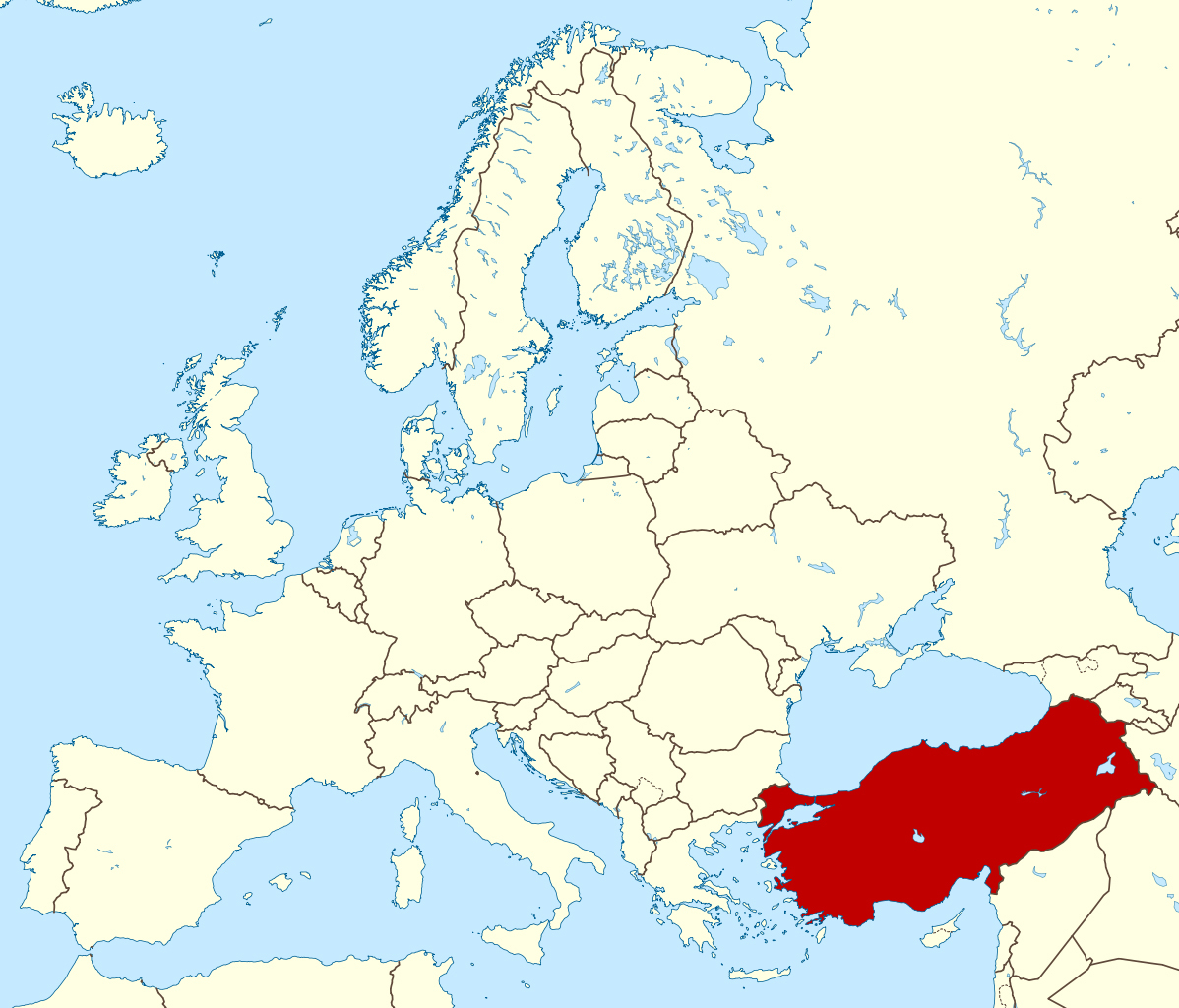
Detailed Location Map Of Turkey In Europe Turkey Asia Mapsland Detailed Location Map Of Turkey In Europe . Turkey Map Europe Asia . Is Turkey In Europe Where Is Turkey Turkey 800px1 . Turkey Map Europe Asia . Turkey Map Europe Asia Turkey Location Europe Asia 1

Turkey Map Europe Asia Turkey Map 2x1 . Turkey Map Europe Asia Tr 02 . Turkey Map Europe Asia Position Of Turkey In Europe And Asia Sekil 1 Tuerkiyenin Avrupa Ve . Turkey Map Europe And Asia At Edward Johns Blog Is Turkey In Europe Or Asia 1 1 . Turkey Map Europe Asia Aegean Sea Region With Aegean Islands Multi Colored Political Map Elongated Embayment Of The Sea Located Between Europe And Asia 2Y96RPT



Turkey Map Europe Asia The Location Of Turkey Straddling Europe And Asia . Explore Turkey And Where Is Turkey On The Map Turkey Map Europe Asia Africa . Turkey Map Europe Asia Zoomed Map Europe Asia Pastel 260nw 2158755671 . Turkey Map Europe Asia Globe Map Of The Sea And Turkey Asia Europe Africa And The Middle East Cartography Atlas 3d Render Bathymetry Underw 2E49FYR . Turkey Map Europe Asia Crawler

Turkey Map Europe Map Of Turkey Europe Western Asia Asia. Turkey Map Europe Asia Turkey Map . Turkey Maps Facts World Atlas Tr 01 . Turkey Map Europe Asia Map Turkey Eastern Europe Western Asia Its Capital City Istanbul 173984502 . Turkey Map Europe Asia

Turkey Map Europe Asia . Turkey Map Europe Asia Asia Location Tur . Is Turkey In Europe Or Asia WorldAtlas Turkey Map . Turkey Map Guide Of The World Vector Map Of Turkey Country . Turkey Map Europe Asia 128716565 Bbcm Turkey Country Profile Map 220223


Turkey On Map Of Asia Turkey Map In Asia Icons Showing Turkey Location And Flags Vector . Map Of Turkey And Europe 20131106 142701 . Turkey Location On The Asia Map Turkey Location On The Asia Map . Turkey Europe Map D Map Turkey 189865516 . Turkey Europe Map Turkey Marked By Blue In Grey Political Map Of Europe Vector 2C523GX


Turkey Map Europe Asia Turkey Map . Turkey Map Europe Asia Sddefault . Map Of Turkey And Asia Turkey Map Europe Map Of Turkey Europe Pngtree Turkey Map Asian Nation Region Vector Png Image 9505613 . Turkey Country Map Red Arrow Pointing Turkey On The Map Of Europe Continent HEDMDW . Turkey Map Europe Asia Map Turkey