Have you ever paused to consider Egypts vital position on the map of Africa, or why its unique geography continues to shape global affairs, ancient wonders, and modern ambitions? Understanding Egypts precise location is far more than a simple geographical fact; it unlocks insights into centuries of history, culture, and strategic importance that resonate even today. This in-depth article will guide you through the compelling landscape of Egypt, situated gracefully in the northeastern corner of the African continent, bridging Africa and Asia. We will explore what makes its placement so exceptional, from the life-giving embrace of the Nile River to the global maritime lifeline of the Suez Canal, all while unraveling the who, what, when, where, why, and how of its profound influence. Discover how this iconic nations map of Egypt in Africa serves as a cornerstone for trade, civilization, and enduring human endeavor, offering a fascinating journey for anyone curious about this pivotal region. Prepare to explore why Egypts spot on the map holds such a magnetic pull for historians, travelers, and geopolitical strategists alike, promising an engaging and informative read for a broad audience.
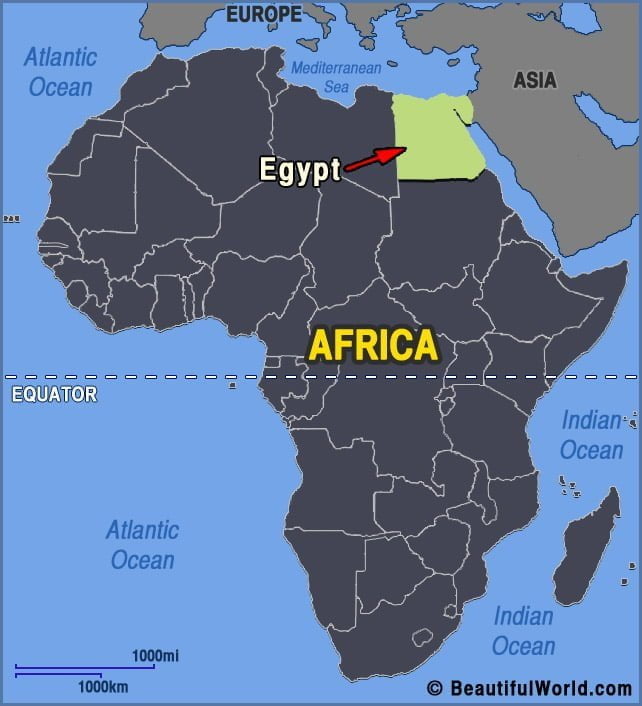
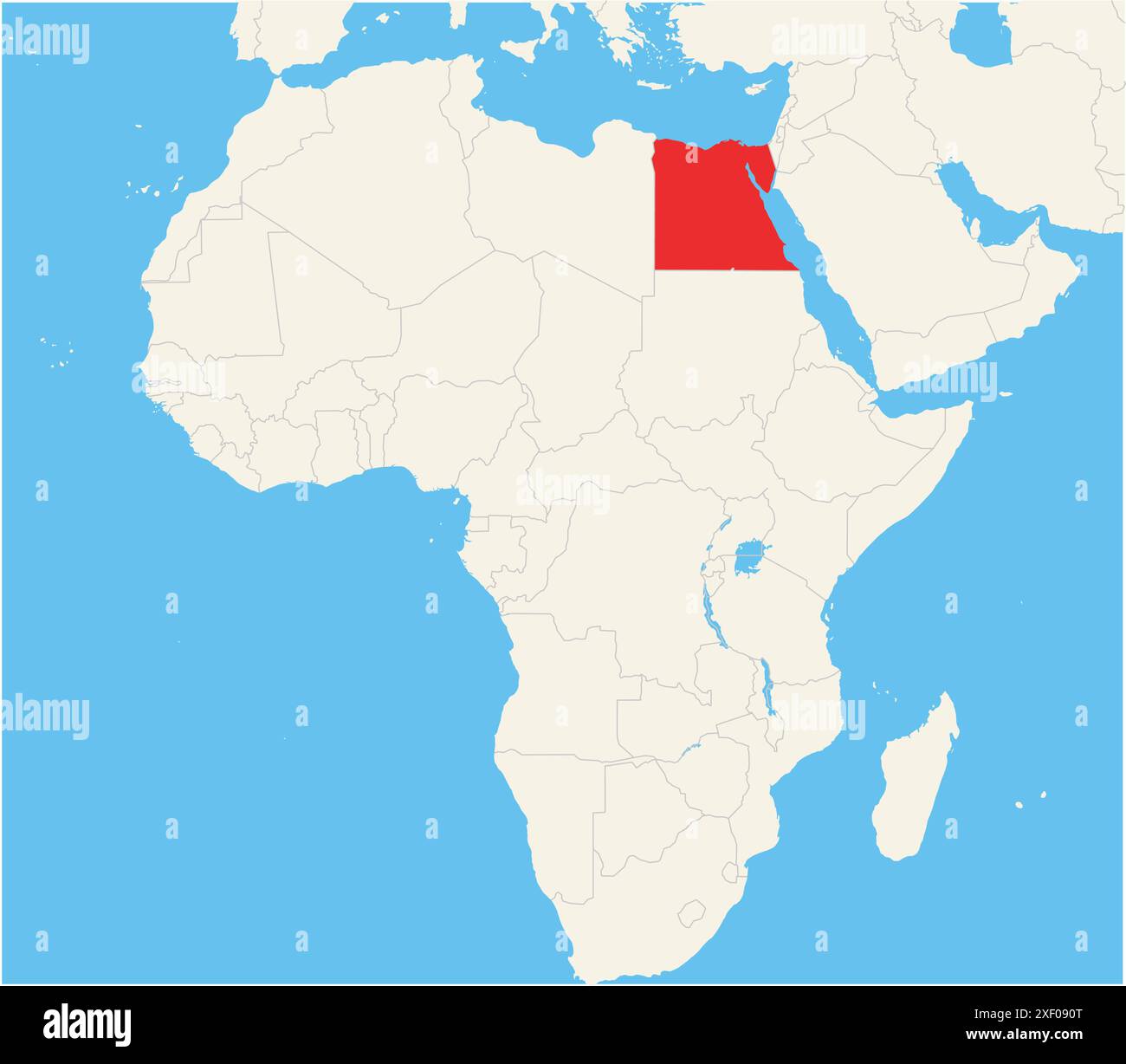
Have you ever wondered, Where exactly is Egypt located on the map of Africa, and why does its geography consistently capture the worlds attention? Its a question many curious minds ponder, and the answer reveals a fascinating narrative of power, culture, and unparalleled strategic significance. Egypt firmly occupies the northeastern corner of the African continent, acting as a crucial land bridge connecting Africa to Southwest Asia via the Sinai Peninsula. This unique placement is not just a geographical quirk; it fundamentally explains who settled there, what civilizations flourished, when key historical events occurred, where ancient wonders were built, why it became a cradle of civilization, and how it continues to influence global economics and politics. Understanding the map of Egypt in Africa is key to appreciating its enduring legacy, from the Pharaohs to modern-day trade routes. We will journey through its position, exploring how its borders with Libya, Sudan, the Gaza Strip, and Israel, alongside its extensive coastlines on the Mediterranean and Red Seas, define its character and importance. What makes this particular slice of the African continent so invaluable? Lets dive in and uncover the compelling story behind Egypts place on the world stage.
Unveiling the Map of Egypt in Africa: A Geographic Gem
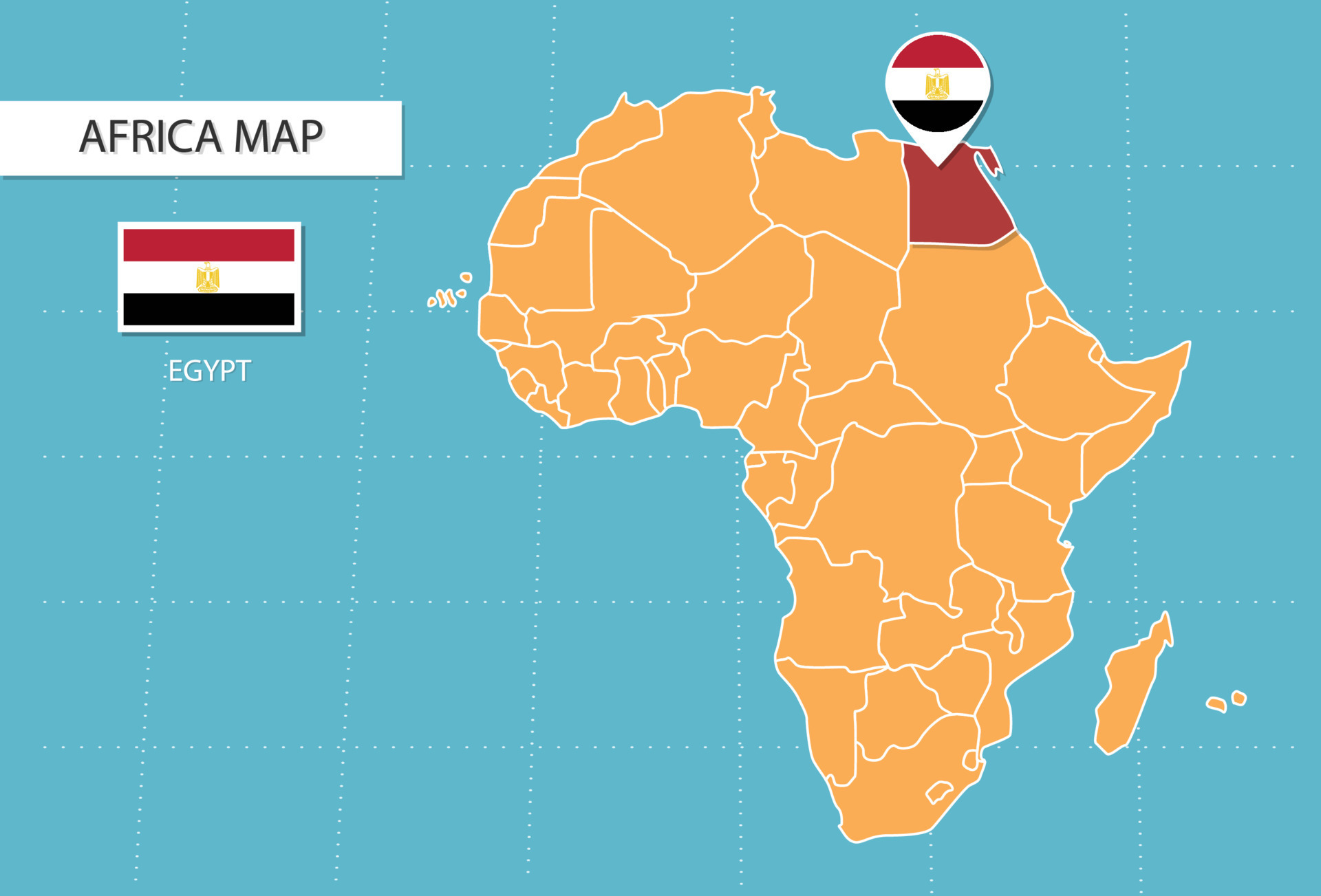
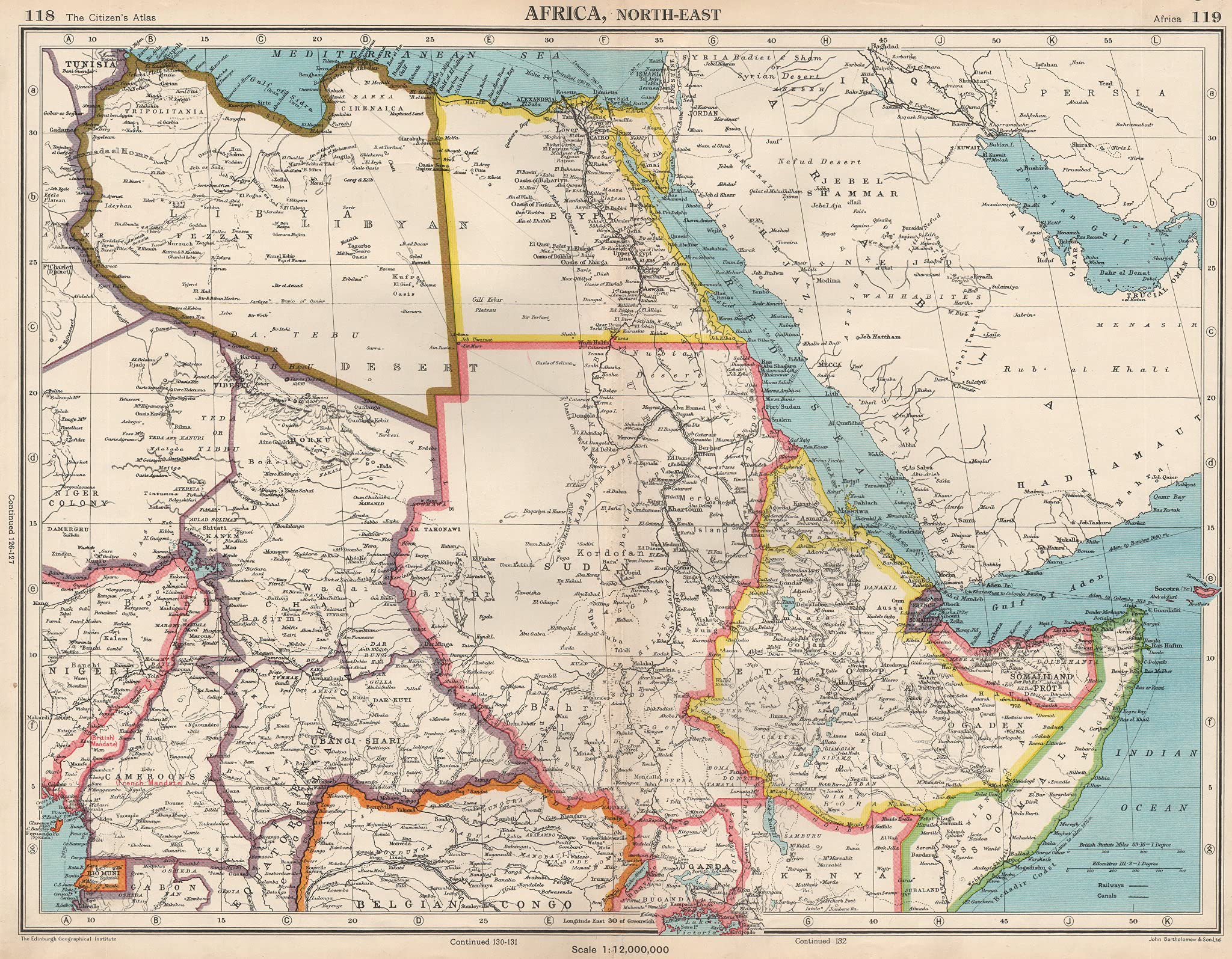
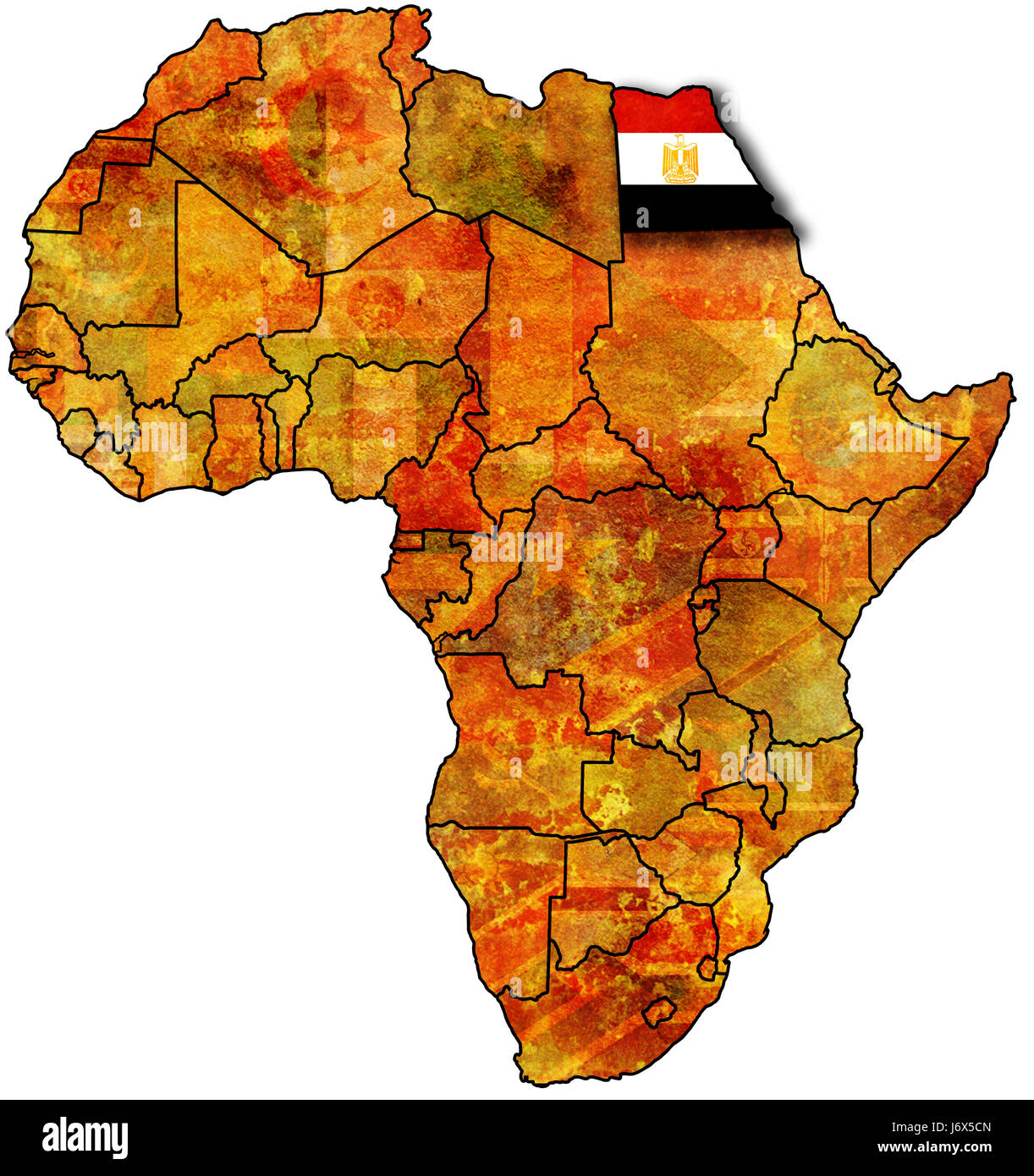
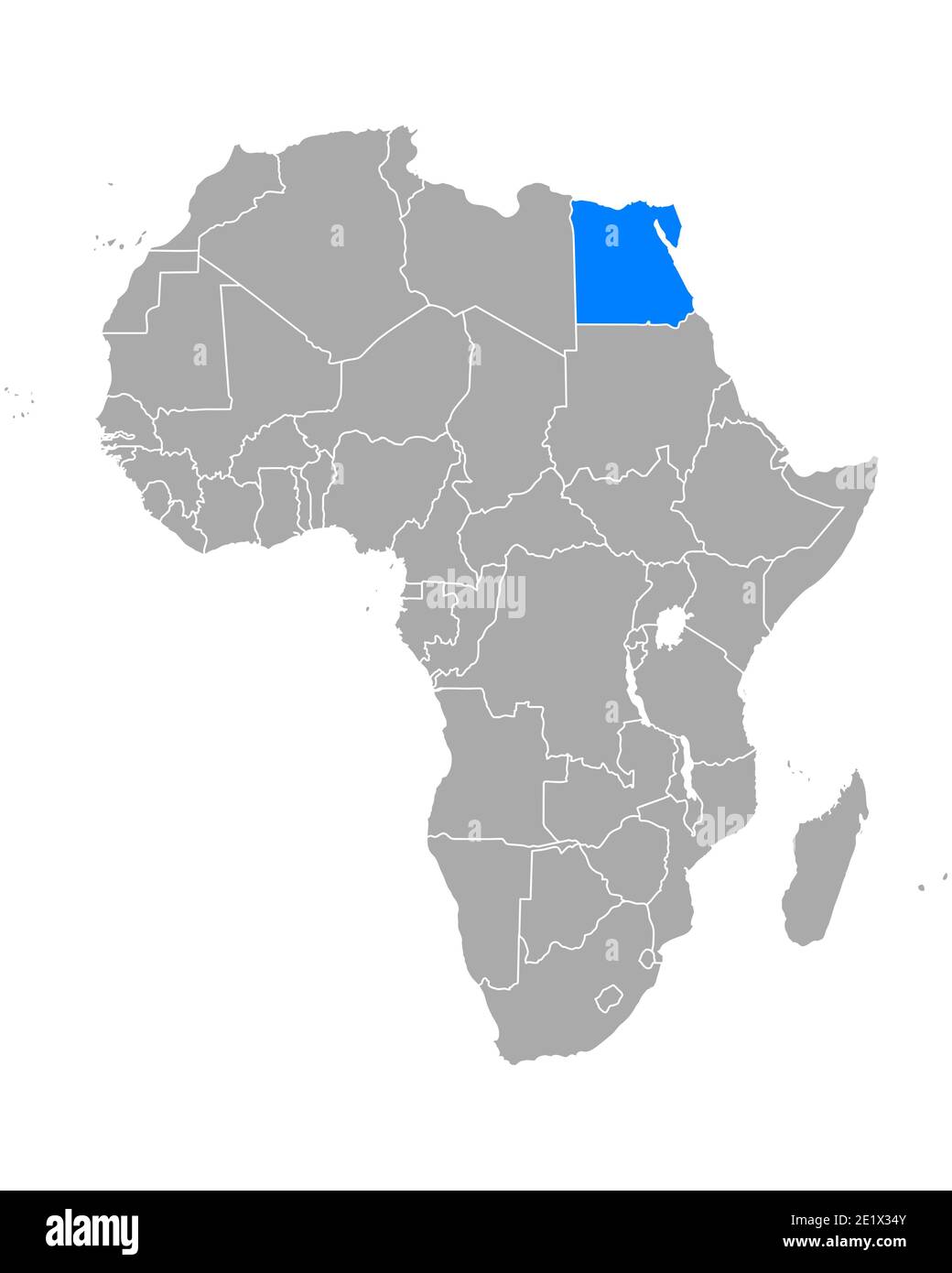
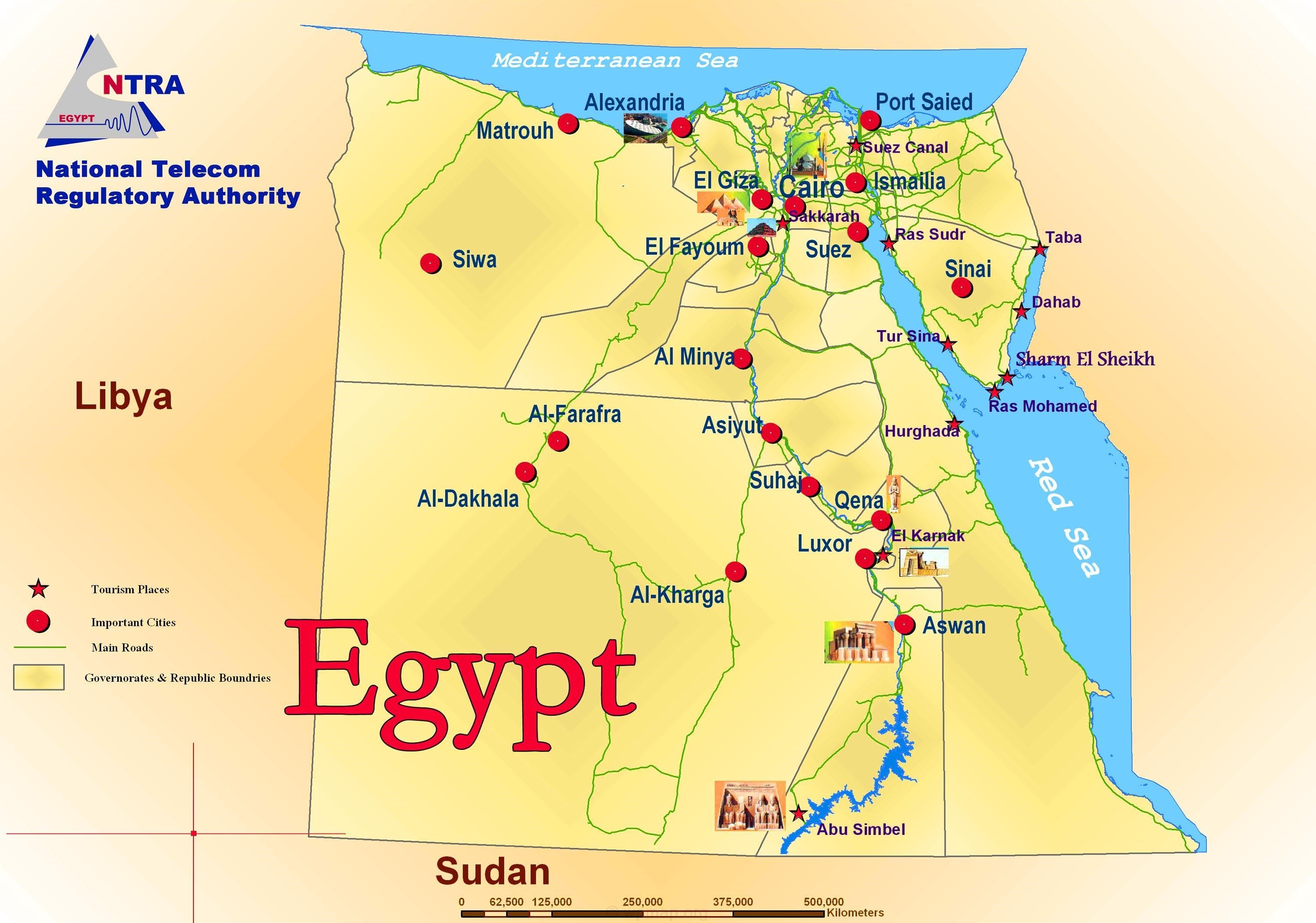
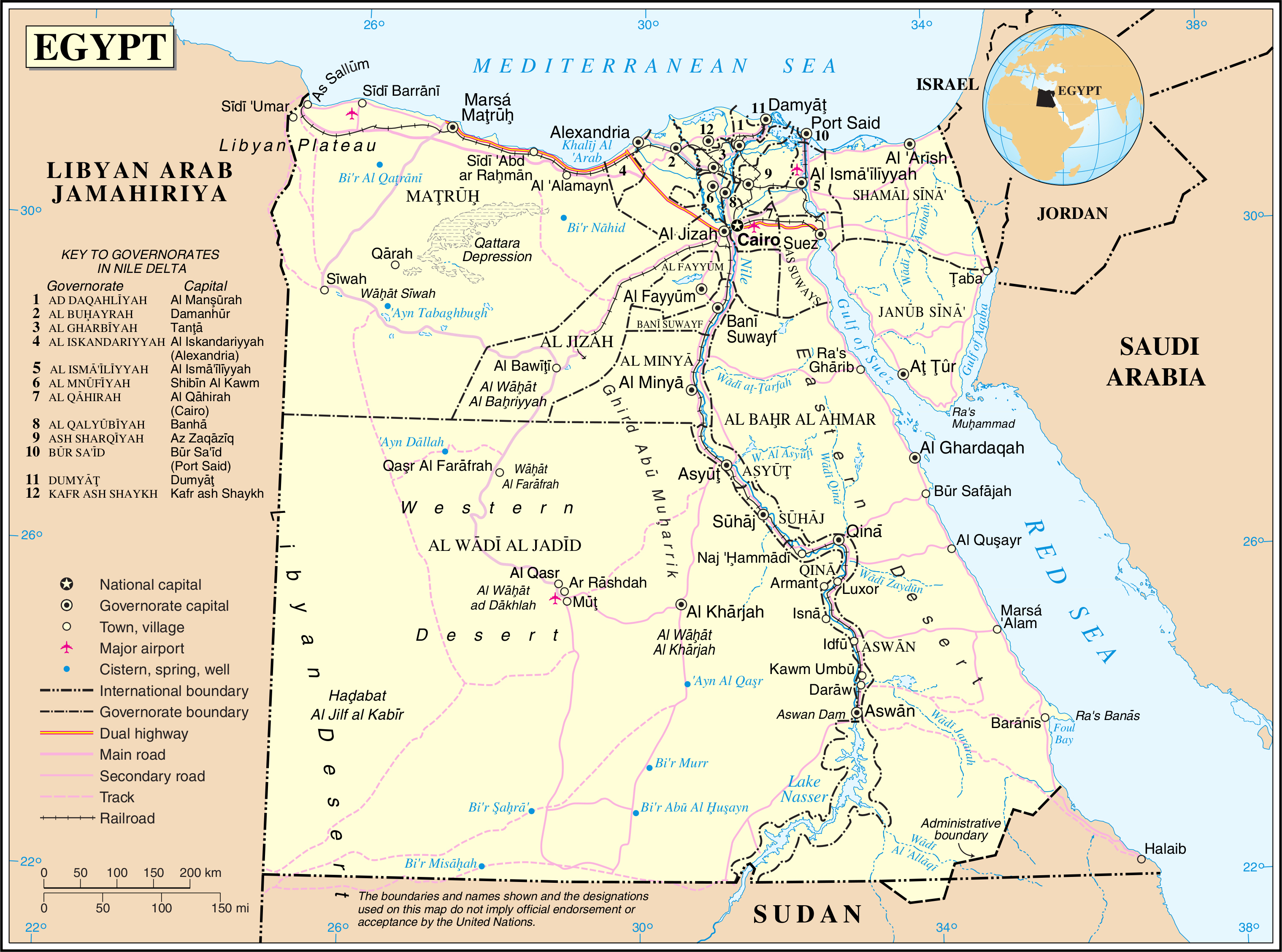
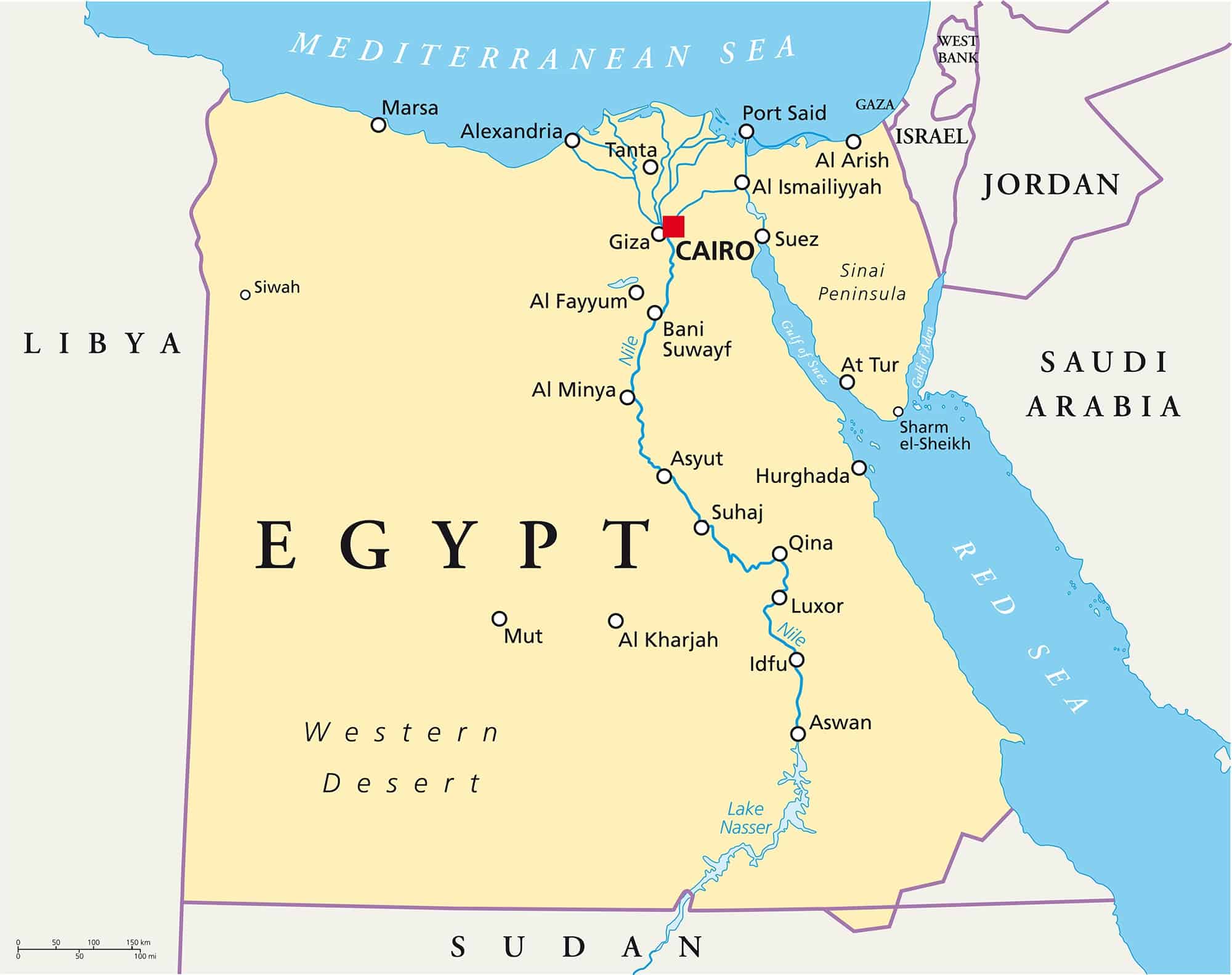
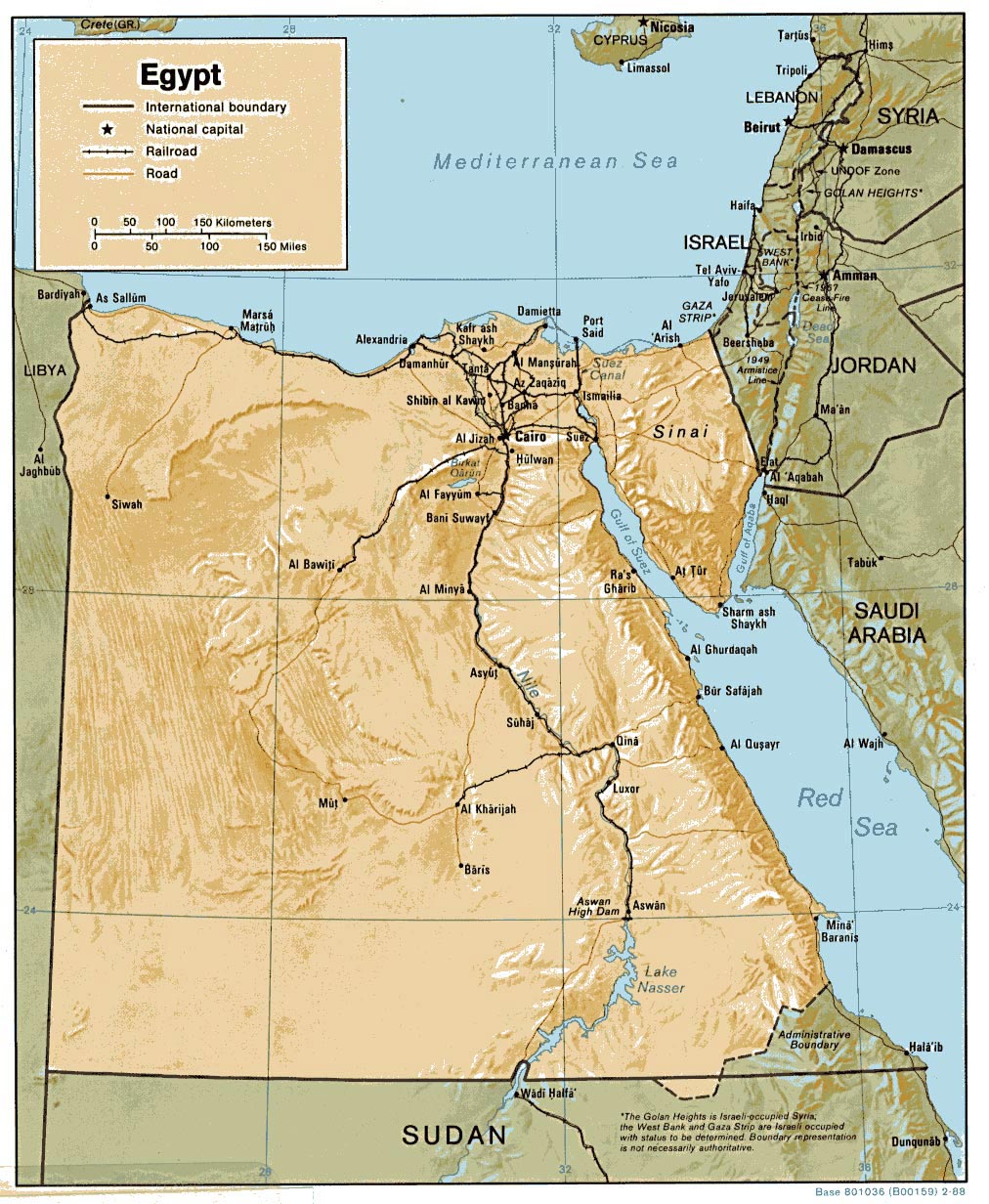
When we point to the map of Egypt in Africa, we pinpoint a nation truly at a crossroads of continents and cultures. Why is this location so exceptionally strategic? Positioned in North Africa, Egypt serves as a natural gateway, seamlessly linking the vast African landmass with the Middle East. To its west, it shares a long border with Libya, while to the south, Sudan stretches out, carrying the Nile River further into the continent. What about its eastern front? Here, Egypt meets the Gaza Strip and Israel, forming a critical geopolitical junction. But the story of its geography isnt complete without acknowledging its watery edges: the Mediterranean Sea laps its northern shores, opening direct maritime routes to Europe, while the Red Sea hugs its eastern coast, providing vital access to the Indian Ocean and beyond. How did this geographical configuration influence the very dawn of human civilization? The answer lies largely with the Nile River, which has been the lifeblood of Egypt for millennia, carving a fertile ribbon through the otherwise arid landscape. Who relied on this mighty river? Nearly everyone in ancient Egypt, cultivating its banks and developing a sophisticated society based on its annual floods. This intricate tapestry of land and sea makes Egypt a permanent fixture in global discussions, not just a dot on a map.
Why Does Egypts Location on the Map of Africa Matter?
Why has Egypt’s position on the map of Africa always been a focal point for empires and nations throughout history? This isnt merely about where it is; its about what that location enables and what it has historically represented. When ancient civilizations first emerged, Egypts unique spot, specifically the fertile Nile Valley, provided all the necessary ingredients for sustained human development. Who would have imagined such a vibrant culture thriving amidst deserts? The predictable annual flooding of the Nile allowed for prosperous agriculture, supporting a dense population and fostering the development of complex social structures, monumental architecture, and advanced sciences. What other region in Africa boasts such a rich confluence of factors? Its proximity to other early civilizations in the Near East meant constant cultural exchange, trade, and sometimes, conflict, shaping its identity. How did this strategic position influence the spread of ideas and goods? Think of the trade routes that crisscrossed the region, connecting diverse peoples and resources. Egypt’s location on the map of Africa has not only preserved countless relics of antiquity but has also continually placed it at the center of regional power dynamics, a legacy that continues to define its importance in the 21st century. Its a testament to the power of place, transforming a geographical spot into a historical powerhouse.
The Suez Canal: A Lifeline on the Map of Egypt in Africa
Perhaps no single feature better illustrates the strategic genius of Egypts location on the map of Africa than the Suez Canal. What exactly is the Suez Canal, and why does it wield such immense power in global commerce? This man-made waterway, cutting across the Isthmus of Suez, connects the Mediterranean Sea to the Red Sea, effectively eliminating the need for ships to navigate around the entire African continent to travel between Europe and Asia. When was this monumental feat of engineering completed? In 1869, profoundly altering international trade routes forever. Who benefits from this direct passage? Virtually every nation involved in global shipping, as it drastically reduces transit times and fuel costs. How does this impact our everyday lives? The products we consume, the oil that fuels our economies, and the goods that sustain industries often pass through this narrow, vital artery. Why is it so crucial for Egypt itself? The canal provides a substantial source of national income, and its control grants Egypt significant geopolitical leverage. This thin blue line on the map of Egypt in Africa is more than just a shortcut; its a critical chokepoint in global supply chains, a testament to the foresight and strategic advantage inherent in Egypts geography, ensuring its continuous relevance on the world stage.
| Geographical Feature | Description | Significance on Map of Egypt in Africa |
|---|---|---|
| Nile River | Flows south to north, creating fertile delta and valley | Lifeblood of ancient and modern Egypt, essential for agriculture and population centers. |
| Suez Canal | Man-made waterway connecting Mediterranean and Red Seas | Crucial global shipping lane, economic and strategic asset. |
| Mediterranean Sea | Northern border | Gateway to Europe, historical trade and cultural exchange route. |
| Red Sea | Eastern border | Access to Indian Ocean, important for tourism and maritime trade. |
| Sinai Peninsula | Land bridge to Asia | Geopolitical hotspot, cultural and historical intersection. |
| Eastern Desert | Arid region east of Nile | Rich in mineral resources, historically a barrier. |
| Western Desert (Libyan Desert) | Vast desert west of Nile | Home to oases, part of the larger Sahara Desert. |
| Qattara Depression | Large, low-lying desert basin in Western Desert | Potential for hydroelectric power projects. |
Exploring Egypts Diverse Landscapes on the African Map
When you visualize the map of Egypt in Africa, what images come to mind? Many immediately think of vast, golden deserts, but Egypts landscape is far more varied and dynamic than that single stereotype suggests. While the overwhelming majority of its landmass is indeed arid, dominated by the Eastern and Western (Libyan) Deserts, the presence of the Nile River creates an astonishing contrast. How can such a diverse ecosystem thrive within this dry environment? The Nile Valley and Delta, a verdant strip of fertile land, stands as a testament to the rivers life-giving power, supporting almost the entire Egyptian population. Who inhabits these diverse regions? From the bustling urban centers along the Nile to nomadic Bedouin communities in the deserts and vibrant coastal cities along the Red and Mediterranean Seas, a rich tapestry of life exists. Why do these distinct regions matter so much to the countrys identity? The deserts, though challenging, are rich in minerals and offer unique historical insights, while the coasts are vital for fishing, tourism, and maritime commerce. This blend of harsh desert, bountiful riverine plains, and strategic coastlines ensures that Egypts geographical story is one of adaptation, resilience, and profound natural beauty, all intricately mapped across its African domain. Exploring this diversity helps us truly grasp the essence of Egypt.
Ancient Wonders and Modern Marvels on the Map of Egypt in Africa
How does Egypts enduring presence on the map of Africa continue to inspire awe, linking ancient wonders with impressive modern-day developments? This nation seamlessly blends millennia of history with a forward-looking vision, a testament to its unyielding spirit. Who hasnt heard of the Pyramids of Giza or the Sphinx, iconic symbols that stand proudly as testaments to a powerful ancient civilization? These magnificent structures, along with countless temples and tombs, are scattered across a landscape shaped by the Nile and the surrounding deserts, their locations often chosen with strategic and spiritual significance. What impact does this deep historical legacy have today? It continues to draw millions of tourists, fueling a vital industry and fostering global appreciation for human achievement. But Egypt isnt just about its past. Where does modern development fit into this picture? Contemporary Egypt, leveraging its strategic position and resources, is also a hub for trade, a growing population center, and an aspiring leader in regional affairs. Why does its unique blend of ancient heritage and modern ambition make it so compelling? Its a nation that respectfully preserves its heritage while actively pursuing economic growth and infrastructural advancements, ensuring that its place on the map of Egypt in Africa remains relevant and powerful for generations to come. This blend truly makes Egypt a unique and fascinating study.
In wrapping up our journey across the map of Egypt in Africa, we hope youve gained a deeper appreciation for its singular position and profound impact. What is the key takeaway from understanding Egypts location on the map of Africa? The most crucial insight is that Egypts geographic placement is not merely incidental but is the very foundation of its historical significance, cultural richness, and ongoing strategic importance on both regional and global scales. Its role as a bridge between continents, nurtured by the life-giving Nile and amplified by the Suez Canal, continues to shape its destiny and influence the world around it. Why does this matter for us today? Because understanding Egypt helps us comprehend broader geopolitical dynamics and the intricate dance of history. What makes Egypt a geographic gem? Its unique blend of desert and riverine fertility, coupled with unparalleled access to key maritime routes, ensuring its lasting relevance. When did Egypt become important? From ancient times, with its robust civilizations, to the present day as a vital trade hub. Who lives in Egypt? A vibrant people whose culture is deeply intertwined with their land. How does Egypt remain relevant? Through its persistent leverage of its unique geography, fostering both heritage and progress. In essence, Egypts place on the map is a narrative of enduring influence and strategic foresight, a story that continues to unfold with every passing year. What is the enduring significance of Egypts location on the map of Africa? Its enduring significance lies in its unparalleled strategic position, serving as a critical bridge between continents and a perpetual crossroads of civilization and global commerce.
Keywords: egypt map africa, where is egypt on the map, egypt location in africa, nile river importance, suez canal significance, north african geography, ancient egypt location, red sea coast, mediterranean sea coast, sinai peninsula, egypts borders, african continent map, geopolitical importance of egypt, history of egypt geography, egypt trade routes, africa asia connection.
Egypts strategic location in Northeast Africa, linking Africa and Asia; the pivotal role of the Nile River for life and civilization; the global importance of the Suez Canal for international trade; its diverse geography including vast deserts and fertile river valleys; and its rich historical and cultural legacy deeply tied to its unique position on the map of Africa.
Map Of Egypt In Africa What Continent Is Egypt In The 7 Continents 91FIvnu0M0S National Map Of EGYPT Inside African Continent Stock National Map Egypt Inside African Continent Detailed Location Great Africa 341027902 Large Political And Map Of Egypt With Roads And Cities Large Political And Map Of Egypt With Roads And Cities
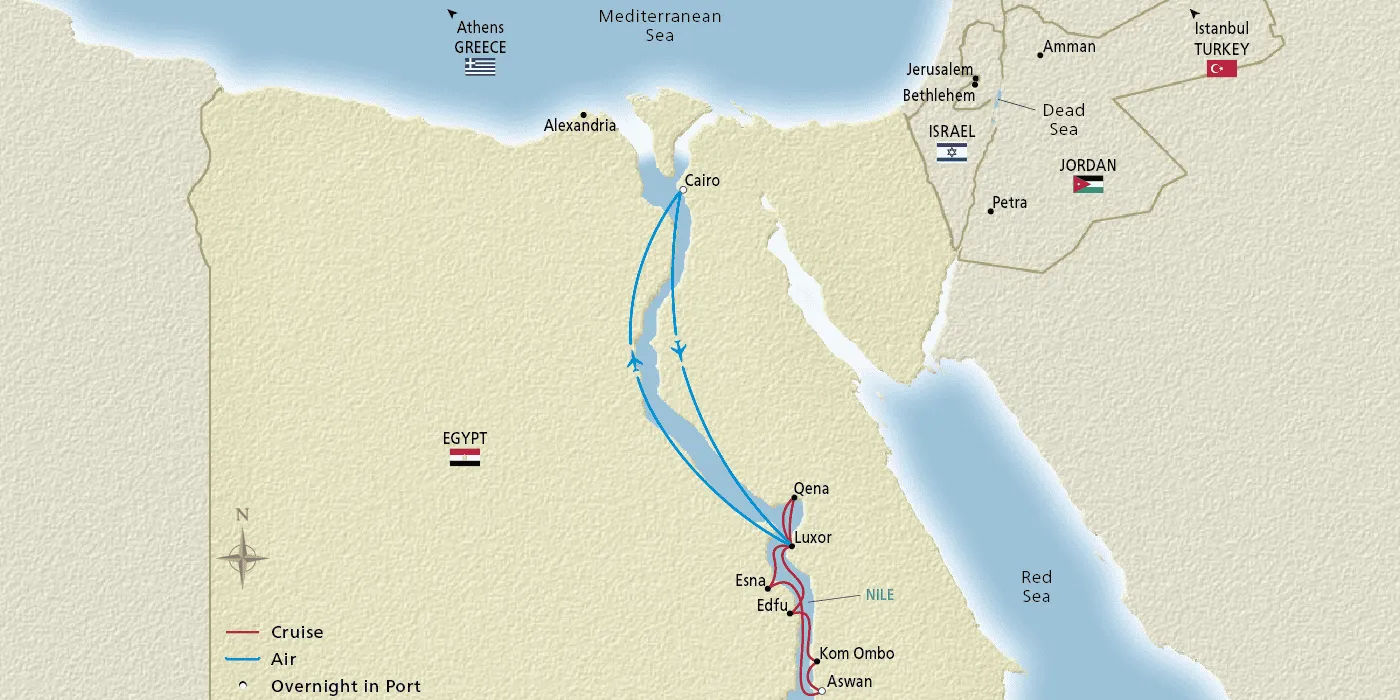
Pharaohs Pyramids 2026 Itinerary Cairo To Cairo VikingMap Of Egypt In Africa What Continent Is Egypt In The 7 Continents S L1200 Africa Egypt Map Map Of Africa Egypt Africa Map Hi Res Stock Photography And Images Alamy Egypt On Africa Map J6X5CN
National Map Of Egypt Inside African Continent Stock National Map Of Egypt Inside African Continent Egypt Maps Facts World Atlas Eg 01 Where Is Egypt Mappr Egypt Map Map Of Africa Egypt Egypt Actual Map Africa Vintage Political Flags 206061488
Map Of Egypt Facts Information Beautiful World Travel Guide Egypt Africa Map Egypt In Africa Unveiling The Map And Its Locator Map Showing The Location Of The Country Egypt In Africa The Country Is Highlighted With A Red Polygon Small Countries Are Also Marked With A 2XF090T Egyptian Map Egypt And Capital Map Political Map Of Africa With Egypt Highlighted Showing Country Borders Political Map Of Africa With Egypt Highlighted Showing Country Borders And Names
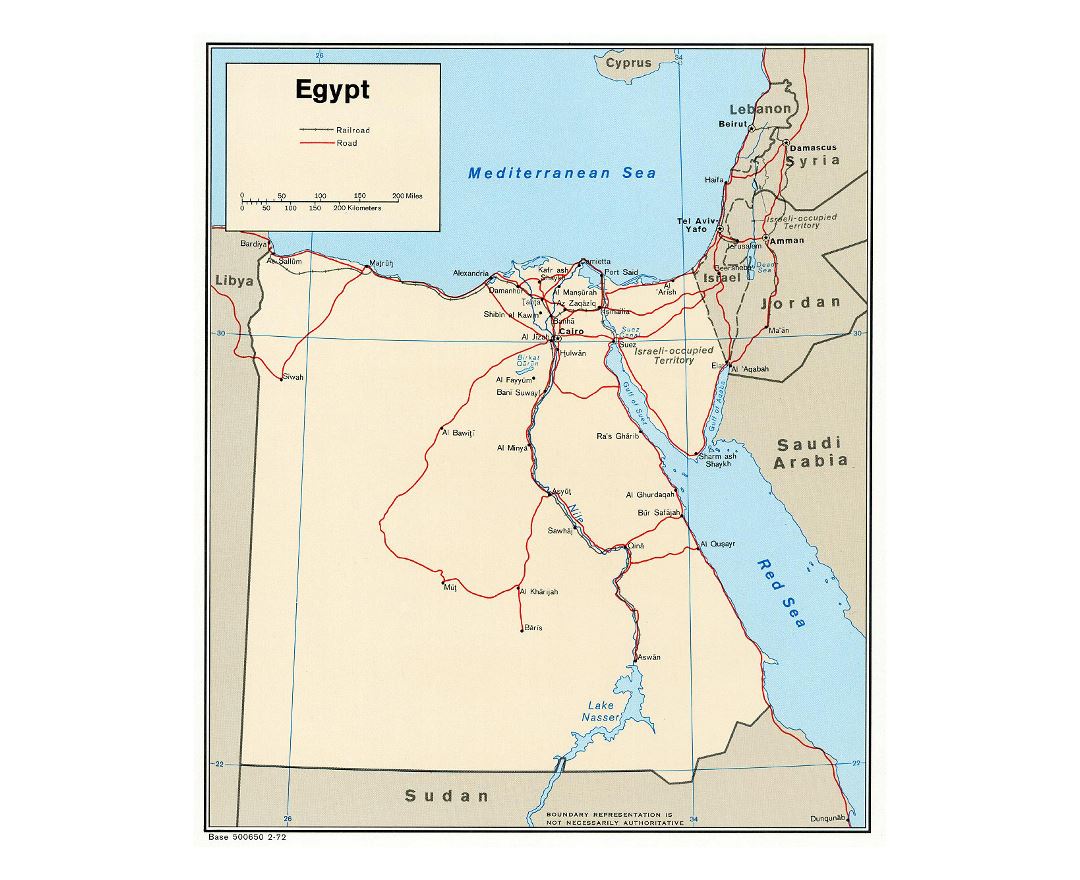
Egypt Map Guide Of The World Physical Map Of Egypt Egypt In Africa Unveiling The Map And Its Map Egypt North Africa Capital Cairo City Map Egypt 173476460 Maps Of Egypt Collection Of Maps Of Egypt Africa Mapsland Maps Detailed Political Map Of Egypt With Roads Railroads And Major Cities 1972 Preview Egypt On Actual Map Of Africa Stock Of Egypt Actual Map Africa Vintage Political Flags 206061423
Map Of Egypt In Africa Stock Photo Alamy Map Of Egypt In Africa 2E1X34Y Egypt Map In Africa Icons Showing Egypt Location And Flags 15311412 Egypt Map In Africa Icons Showing Egypt Location And Flags Vector Map Of Egypt 2024 Balad O L Bas Map Of Egypt 2024 Map Of Egypt And Africa National Map Egypt Inside African Continent Detailed Location Great Africa 341027872
Africa Egypt Maps Egypt Map Africa 29527329 Egypt Maps Facts World Atlas Eg 02 Egypt Maps Facts World Atlas Of Egypt Map Where Is Egypt Africa Map 584x622 Q85 Subsampling 2
Detailed Location Map Of Egypt In Africa Egypt Africa Mapsland Detailed Location Map Of Egypt In Africa National Map Of Egypt Inside African Continent Stock National Map Of Egypt Inside African Continent Map Of Egypt And Location On Africa Map Vector Stock Map Of Egypt And Location On Africa Map Vector 2RYDEHP Egypt Maps Printable Maps Of Egypt For Download Egypt Map 2