IoT insurance represents a revolutionary shift in how insurers understand and mitigate risk for policyholders. This innovative approach leverages connected devices to gather real-time data allowing for more personalized policies. It offers both individuals and businesses dynamic pricing models and proactive prevention services. Understanding IoT insurance involves exploring smart homes connected cars and industrial sensors. These technologies create a safer environment reducing potential claims and fostering a collaborative relationship between insurers and the insured. This guide explores the core concepts benefits and future trajectory of this transformative sector helping you navigate its growing importance in 2026 and beyond. Discover how this digital evolution enhances protection and drives efficiency across various insurance lines.
Understanding IoT insurance is crucial for everyone in 2026. This emerging field fundamentally changes how we think about risk and protection. It integrates smart devices with insurance offerings to provide unparalleled benefits and insights. This innovative approach helps both policyholders and insurance providers in many significant ways. Let us explore what IoT insurance truly entails and why it is rapidly gaining widespread traction across the globe. The future of secure living is deeply intertwined with these technological advancements.
What Exactly is IoT Insurance?
IoT insurance leverages the Internet of Things to collect valuable real-time data. This data comes from connected devices like smart home sensors and vehicle telematics systems. Insurers use this information to assess risks more accurately and efficiently. They can then offer tailored insurance products reflecting individual behaviors and property conditions. This shift moves insurance from reactive claims processing to proactive risk management. It creates a more dynamic and personalized insurance experience for consumers today.
Benefits of IoT Insurance for Policyholders
For policyholders, IoT insurance offers numerous compelling advantages. You can enjoy potentially lower premiums because your risk profile is precisely understood. Real-time monitoring helps prevent incidents before they even occur. For example, a smart leak detector can alert you to water damage immediately. This proactive approach leads to fewer claims and less financial stress. You gain greater control over your insurance costs and personal safety. The personalized feedback helps you make smarter decisions about your assets. This leads to a more secure and efficient lifestyle for you.
How IoT Insurance Enhances Risk Management
IoT insurance significantly enhances how risks are managed by insurance companies. It provides a constant stream of information regarding insured assets and environments. This data allows for predictive analytics identifying potential hazards before they escalate. Insurers can intervene promptly offering advice or even dispatching assistance. Such capabilities reduce losses for both the insurer and the policyholder. This creates a stronger more resilient insurance ecosystem for all. Companies achieve a deeper understanding of their risk exposure.
The Role of Data Privacy and Security in IoT Insurance
Data privacy and security are paramount considerations within IoT insurance. Robust encryption and strict data governance protocols protect sensitive policyholder information. Transparency about data collection and usage builds essential trust with customers. Insurers must adhere to evolving regulatory frameworks regarding personal data. Ensuring secure platforms prevents unauthorized access and potential breaches. Policyholders should understand their data rights and how information is utilized. This commitment to security is vital for the widespread adoption of IoT insurance.
Future Trends and Growth in IoT Insurance by 2026
By 2026, IoT insurance is projected to see substantial growth and innovation. Expect expanded adoption in commercial lines covering smart factories and supply chains. Artificial intelligence will further refine risk assessment models and claim processing. New partnerships between tech companies and insurers will emerge regularly. Wearable tech integrated with health insurance will become more commonplace globally. The focus will continue to be on preventive measures and personalized services. This evolving landscape promises a more adaptive and responsive insurance industry.
| Aspect | Description |
| Definition | Insurance leveraging IoT data for risk assessment. |
| Key Technology | Smart sensors, telematics, connected devices. |
| Benefits | Lower premiums, proactive prevention, personalized policies. |
| Challenges | Data privacy, security, regulatory compliance, integration. |
| Future Outlook | Significant growth, AI integration, widespread adoption. |
| Applications | Smart homes, connected cars, health, commercial assets. |
What Others Are Asking?
What is IoT insurance?
IoT insurance utilizes data from connected devices like smart sensors to assess risk in real-time. This allows insurers to offer personalized premiums and proactive prevention services. It shifts the focus from just reacting to claims to actively mitigating potential damage, benefiting both parties involved.
How does IoT impact insurance?
IoT significantly impacts insurance by providing granular, continuous data on insured assets and behaviors. This enhances underwriting accuracy, enables dynamic pricing, and facilitates early intervention for risk reduction. It transforms traditional insurance models into more data-driven and customer-centric approaches.
What are the benefits of IoT in insurance?
The benefits include lower premiums for policyholders due to better risk assessment and proactive prevention. It also offers improved safety, faster claims processing, and personalized coverage options. Insurers gain enhanced profitability and deeper customer engagement through these innovative solutions.
What challenges does IoT insurance face?
Key challenges involve ensuring robust data privacy and security measures to protect sensitive information. Integration complexities with existing systems and regulatory compliance are also significant hurdles. Building consumer trust regarding data sharing remains a continuous and crucial effort.
What is the future of IoT insurance?
The future of IoT insurance is bright, promising increased personalization and widespread adoption across sectors. It will likely integrate more advanced AI for predictive analytics and preventative services. Expect a move towards more usage-based and outcome-based insurance products globally.
Real-time data for personalized policies; Proactive risk prevention; Dynamic pricing models; Enhanced security and safety; Future of insurance innovation.
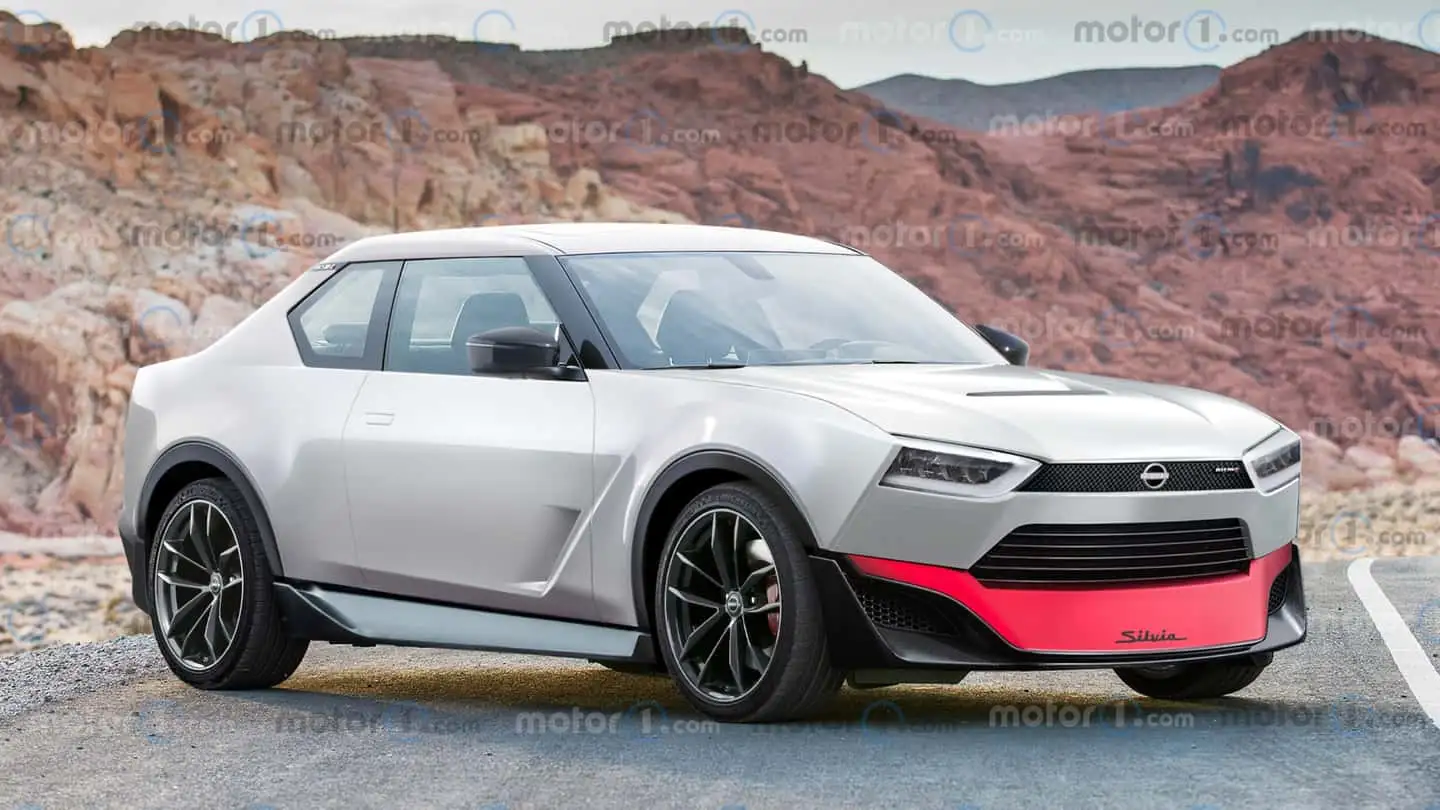
2026 Nissan S16 Silvia Rendered Bring Back The 200SX 240SX 2026 Nissan S16 Silvia Rendering 720x480 Silvia Graciela S Nchez Instagram Photos And Crawler2026 Nissan Silvia S16 Will The 2026 Nissan Silvia S16 Be An Electric
Silvia Graciela Moreno L Pez MediaGraciela Alfano Incendi Las Redes Con Un Infartante Baile En Bikini Graciela Alfano Mar Del Plata La Ciudad Balnearia Donde Tantas Veces Veraneo Y Encabezo Obras Teatro Silvia Graciela Moreno L Pez MediaSilvia Graciela Moreno L Pez Media
Sylvia Naranjo S Instagram Twitter Facebook On IDCrawl 243c7cd2 97b8 4bcc B123 L As Atraparon Al Principal Sospechoso Del Asesinato De Silvia Lepez La 674994428 Silvia Graciela Cazenave MediaQui N Es Silvia Graciela Silvia Graciela
29 07 2023 Felices Los Novios Diario La Uni N Silvia Graciela Abreu Almeira Y Esteban Gustavo Castillo Bringo 1 Silvia Graciela Moreno L Pez MediaViviana Accornero Buenos Aires MediaSilvia Graciela Moreno L Pez Media
Viviana Accornero Buenos Aires MediaSilvia Graciela Moreno L Pez MediaSilvia Graciela Perdomo MediaSilvia Graciela Moreno L Pez Media
GRACIELA SILVIA SARACENI Empresa Rescaldani 45 1105x675 Silvia Graciela Perdomo MediaSilvia Graciela Cosere De Rivero QEPD 03442 NOTICIAS SILVIA COSERES As Fue El Crimen De Una Mujer Para Robarle La Camioneta En Vicente L Pez S0UuD8D69 720x0 1
2028 Nissan Silvia We Imagine An Affordable EV Revival To The 240SX 2025 Nissan Silvia Purple Carscoops 23 Silvia Graciela Esteban MediaSilvia Graciela Perdomo MediaSilvia Graciela Moreno L Pez Media
Nissan Silvia 2026 Gi L N B Nh H Nh Nh Th Ng S Tr G P Nissan Silvia .webpViviana Accornero Buenos Aires MediaSilvia Graciela S Nchez Instagram Photos And Crawler