Ever wondered what is F2P in gaming? This guide for United States gamers dives deep into the Free to Play model, explaining its prevalence and appeal. Discover how these games operate without an upfront cost, relying instead on optional in-game purchases for revenue. We explore the reasons behind F2P's massive popularity in the USA, from its low barrier to entry for new players to its dynamic community engagement. Understand the mechanics of monetization, the benefits for players, and potential considerations. This comprehensive overview helps you navigate the world of free-to-play titles, offering insights into how to maximize your gaming experience without breaking the bank. Learn about the latest trends and essential tips for engaging with F2P games effectively. It's all about making informed choices in your gaming journey.
When we talk about what is F2P in gaming, we're discussing a revolutionary model where players can access a game without any initial purchase. This approach, popular across the United States, attracts millions by removing the upfront cost barrier. Essentially, anyone can download and start playing these games immediately. The F2P model primarily generates revenue through optional in-game transactions. These might include cosmetic items, convenience features, or sometimes even progress accelerators. This strategy ensures widespread accessibility while sustaining game development.
Understanding what is F2P in gaming means recognizing its core principle: free access for everyone. From mobile apps to PC titles, this model thrives by building massive player communities. Developers monetize through various means. They often sell cosmetic items that alter character appearances. Other common purchases involve battle passes providing seasonal rewards. Some games also offer loot boxes or subscription-like services. This diverse monetization allows players to choose how much they spend. The goal is a fun, engaging experience for all players, regardless of their spending habits.
The Core of What is F2P in Gaming
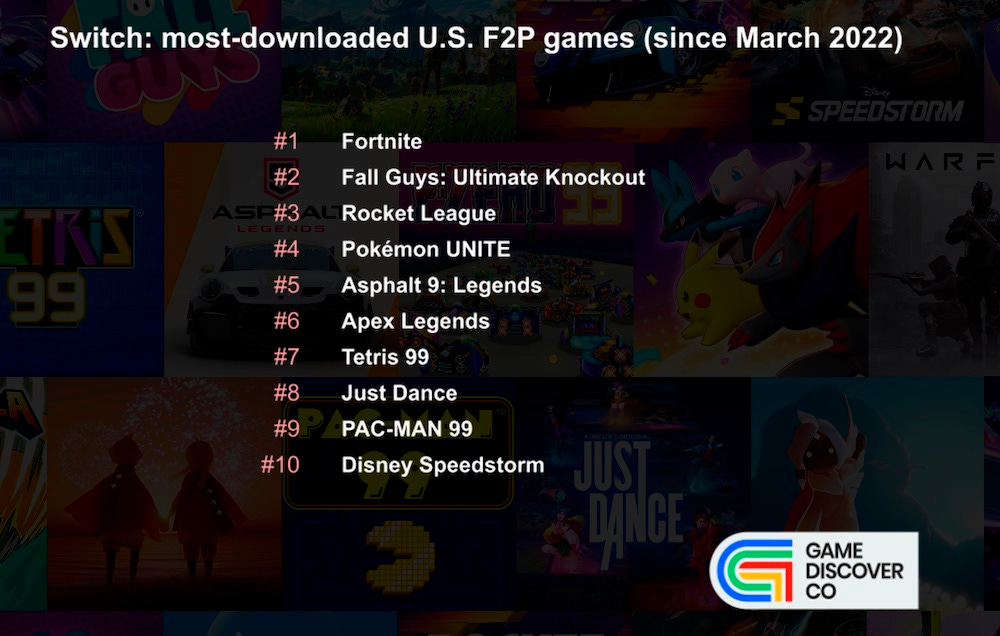
Free to Play, or F2P, allows you to enjoy full game experiences without an initial purchase. This model gained immense traction in the early 2010s. It continues to dominate various segments of the gaming market globally. For instance, titles like Fortnite and Apex Legends exemplify successful F2P strategies. These games offer core gameplay for free. They generate significant revenue through optional purchases. The player base often expands quickly. This rapid expansion creates vibrant online communities.
How F2P Games Work for Players in the USA
For players in the USA, F2P games offer incredible value and accessibility. You can download and start playing popular titles instantly. Many players appreciate the opportunity to try a game before committing any money. This lowers the risk associated with new game releases. It also allows gamers with limited budgets to enjoy high-quality entertainment. Developers often provide regular content updates, keeping the experience fresh. This ensures long-term engagement from a dedicated player base. It fosters a strong community feeling.
Exploring Monetization in What is F2P in Gaming
When you delve into what is F2P in gaming, understanding monetization is crucial. Developers create revenue streams by offering various in-game items. These items range from purely cosmetic upgrades to practical convenience features. Sometimes, players can purchase items that accelerate progress. However, ethical F2P games balance these purchases carefully. They avoid creating a 'pay-to-win' scenario. Fair monetization ensures that free players can still compete effectively. This balance is key to maintaining a healthy and engaged player community.
| Aspect of F2P | Description |
| Initial Cost | Free to download and play |
| Monetization Method | Optional in-game purchases (cosmetics, battle passes, loot boxes) |
| Accessibility | Extremely high, broad appeal |
| Revenue Model | Microtransactions, premium currencies, subscriptions, advertising |
| Player Base | Often very large and global |
| Sustainability | Relies on continued player engagement and spending |
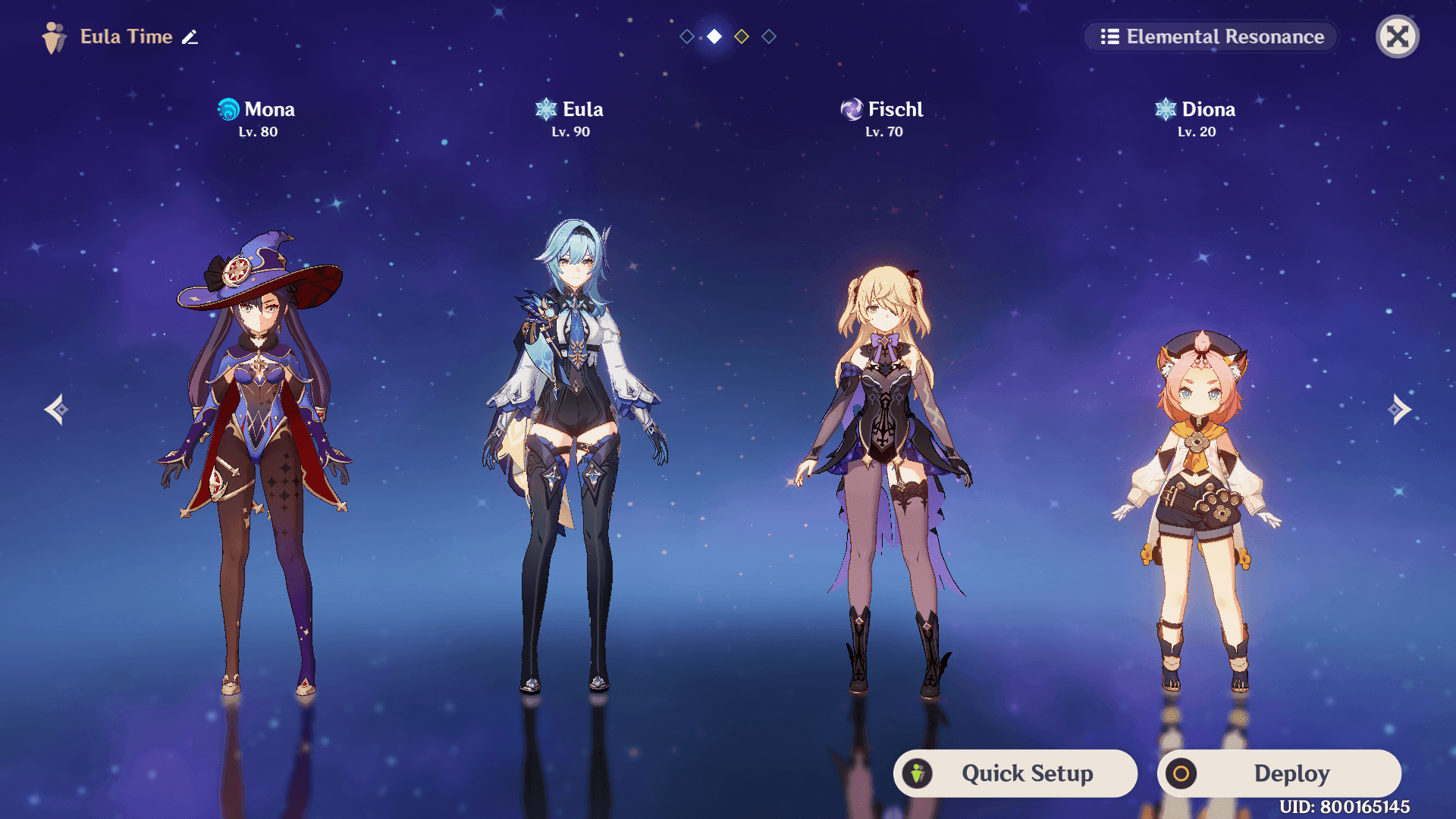
| Examples | Fortnite, League of Legends, Genshin Impact |
What Others Are Asking About What is F2P in Gaming?
What does F2P mean in gaming?
F2P means Free to Play, where players can download and enjoy a game without an upfront cost. Revenue typically comes from optional in-game purchases like cosmetics or power-ups. This model offers broad accessibility, attracting a large player base. It lowers the barrier for entry, allowing more people to experience games.
Are F2P games really free?
Yes, F2P games are truly free to download and play their core content. While you don't have to spend money, most F2P games offer optional in-game purchases. These often include cosmetic items, battle passes, or convenience features that enhance your experience but are not strictly necessary to enjoy the game.
What is the difference between F2P and P2P in gaming?
F2P (Free to Play) games require no initial purchase, monetizing through optional in-game transactions. P2P (Pay to Play) games, conversely, require an upfront purchase to access the game. Some P2P games might also have subscriptions or expansions, but the core distinction is the initial cost requirement.
Is F2P a good business model?
For many developers, F2P is a highly successful business model due to its massive reach and potential for sustained revenue. It thrives on attracting a large player base, with a percentage making purchases. When executed ethically, balancing free and paid content, it can foster long-term engagement and profitability.
How do F2P games make money without selling the game?
F2P games primarily earn revenue through microtransactions. These involve selling virtual items like character skins, emotes, seasonal battle passes, and in-game currencies. Some also incorporate optional advertisements or offer loot boxes. The goal is to provide value that players willingly purchase to enhance their gaming experience.
FAQ About What is F2P in Gaming
What is F2P in gaming?
F2P stands for Free to Play, a game distribution model where players can access and play a game's core content without any upfront cost. Monetization occurs through optional in-game purchases.
Who benefits from F2P gaming?
Both players and developers benefit. Players gain access to a wide range of games without financial commitment. Developers can reach a massive audience and generate sustained revenue through microtransactions.
Why are F2P games so popular?
F2P games are popular because they remove the initial financial barrier, making them accessible to a broader audience. This allows players to try games risk-free and often leads to large, active communities.
How can I enjoy F2P games without spending money?
You can fully enjoy F2P games by focusing on the core gameplay and free content. Many games allow you to earn in-game rewards through playing, minimizing the need for real-money purchases. Strategic play and patience are key.
What are the common types of F2P monetization?
Common types include cosmetic items (skins), battle passes for seasonal rewards, premium currencies, and convenience items that speed up progress. Ethical F2P models avoid 'pay-to-win' elements, focusing on optional enhancements.
Free to Play definition, no upfront cost, in-game purchases, broad accessibility, popular games, monetization models, player benefits, community engagement.
The List Of Multiplayer F2P Games Releasing In 2024 2026 Frame 40 7 Przewodnik Po Pre Farmingu Columbiny Kompletne Ma BitTopup The List Of Multiplayer F2P Games Releasing In 2024 2026 Linkedin Og Image OpenGraph 11
Planned Multiplayer And F2P Video Games Releases By Platform 2026 1483900 Blank 355 I Think This Game Is Still Beautiful In Year 2026 Before Game Over MediaMobile F2P Gaming Trends Of 2019 Bright Black Associates Image Asset Free FPS Games Popular F2P First Person Shooters In 2026 1920xt1080 S1000
F2P L G P2P L G Ngh A Ng I Ch I F2P L G F2p La Gi Didongviet 4 Best F2P Crypto Games 2026 Free To Play NFT Games Image 328 1536x828 New Lethal Company Like Co Op Game On Steam Is Free To Play Delivery And Beyond Gameplay 7 5 F2P P2E Games To Make Your First 100 EGamers Io P2E NFT Games Portal 5 F2P P2E Games To Make Your First 100
RobloxGo What Is Trevor Henderson Creatures RobloxGo Rating Thumbnail 1The Runescape F2P Experience For 2026 YouTube What Does F2P Mean In Games F2p Top 10 FREE Anime Games Coming In 2026 SEAGM News Top 10 Free Anime Games Coming In 2026
Planned Multiplayer And F2P Video Games Releases By Payment Model 2026 1483883 Blank 355 F2P Gaming Ajax Json Main.phpMy Current Steam Wishlist 2025 2026 New Games YouTube RobloxGo What Genre Of Games Is Da Pwnerzs Sword Fight Arena Thumbnail 1
F2P Game Business Model Is Now More Healthy Payer Fraction Growth RobloxGo What Genre Of Games Is Escape Tsunami For FNAF Thumbnail 1What Does F2P Mean Meaning Uses And More FluentSlang F2P 958x575 How Do Free To Play F2P Games Make Money Top Secrets What Is Free To Play F2p Concept In Gaming
Team Wales Team Wales Added A New Photo MediaDevtodev Game Market Overview The Most Important Reports Published 7 Top 10 F2p Games On Steam Free FPS Games Popular F2P First Person Shooters In 2026 1920xt1080 S1000 World Cup Soccer 2026 For Nintendo Switch Nintendo Official Site
This 2026 Steam Free Game Is Perfect For Bloodborne Elden Ring Fans Phyllosoma Soulslike Bloodborne Lies Of P Game F2P SEGA Football Club Champions 2026 Tiba Januari 2026 SEGA Football Club Champions 2026 TARIKH KELUAR FI Renegade Immortal Codes Update February 2026 Is Cairn Free To Play Cairn Price 1.webp
Are F2P Games Worth Your Time A Gamer S Perspective Vpopwire F2p Games Analysis The State Of F2P Games On Nintendo Switch B35f377e 439d 4310 Ac75 1000x636 Free FPS Games Popular F2P First Person Shooters In 2026 576cr324