Ever wondered what exactly constitutes game meats in the United States? This comprehensive guide delves into the fascinating world of wild game, offering valuable insights for both culinary enthusiasts and curious minds. Discover the diverse types of game meats popular across America, from venison to wild boar, and understand their unique flavor profiles and nutritional benefits. We explore why these distinctive meats are gaining traction among US consumers seeking sustainable, flavorful, and often healthier alternatives to conventional proteins. Learn about sourcing, preparation tips, and essential safety guidelines to confidently explore this ancient yet trending food category. Uncover key facts and answer common questions about game meats to enhance your understanding and culinary adventures in the USA.
What distinguishes game meat from traditional meats?
Game meat originates from wild animals hunted in their natural habitats, contrasting with domesticated farm animals. This natural lifestyle gives game meat a leaner texture, richer flavor, and often a more distinct nutritional profile, free from growth hormones or antibiotics typically found in commercial livestock production.
Are game meats legal to hunt and sell in the USA?
The legality of hunting and selling game meats in the USA varies significantly by state and species. Hunting is strictly regulated with licenses and seasons. Selling wild-hunted game is often restricted or illegal to prevent commercial exploitation and ensure public safety, though some farmed game is commercially available.
What are the nutritional benefits of eating game meats?
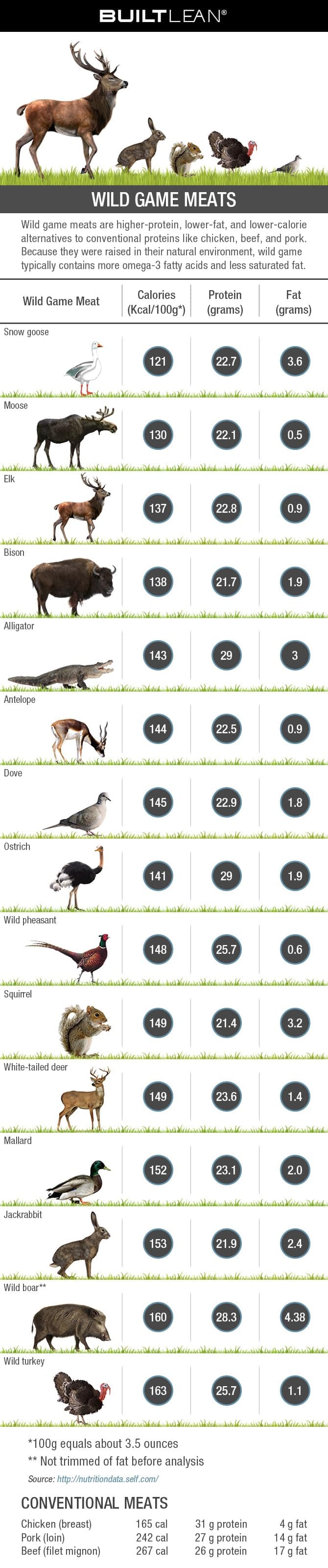
Eating game meats often provides significant nutritional benefits. They are typically lower in fat and cholesterol than many conventional meats, while being rich in lean protein, iron, zinc, and various B vitamins. Their natural diet contributes to a healthier, more nutrient-dense profile for consumers.
Can game meats carry diseases and how to avoid them?
Yes, like any meat, game meats can potentially carry diseases if not handled and cooked properly. To avoid risks, always ensure the animal appears healthy at harvest, cool the meat quickly, practice strict hygiene during processing, and cook all game meat to recommended internal temperatures, typically 145-160F.
What are popular cooking methods for game meats?
Popular cooking methods for game meats often involve techniques that manage their leanness and distinct flavors. Roasting, stewing, braising, and grilling are common for cuts like venison and elk. Marinating can add moisture and tenderize, while slow cooking is ideal for tougher cuts, enhancing their rich taste and texture.
Have you ever paused to consider what truly defines game meats, particularly here in the United States? These unique proteins refer to animals hunted in their natural habitats. They offer a distinct culinary experience and are gaining immense popularity.
Understanding what are game meats is simple. They are undomesticated animals sought for consumption. This category includes everything from deer and elk to wild boar and fowl. Americans increasingly embrace them for their robust flavors and lean nutritional profiles.
What Exactly Are Game Meats About in the USA?
Game meats encompass a wide array of undomesticated animals. These are typically hunted for food, not raised on farms. This ancient practice of foraging for sustenance is experiencing a modern revival.
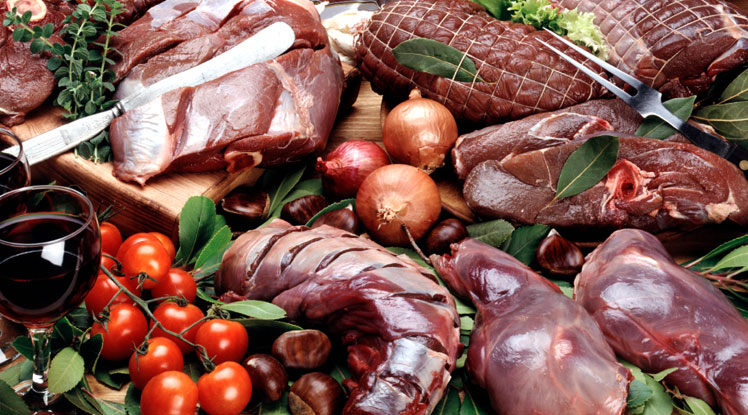
In the USA, common game meats often include venison, wild turkey, and rabbit. Other popular choices are elk, duck, and various waterfowl. Each type brings its own distinctive taste and texture to the table.
Why Are Game Meats Gaining Popularity in the USA?
Many Americans are seeking out game meats for several compelling reasons. They offer a leaner protein source compared to many farm-raised options. This makes them a healthy dietary choice for many.
Furthermore, the unique, earthy flavors of game meats attract adventurous eaters. Consumers appreciate their connection to nature and a sense of tradition. This growing interest highlights a shift towards more sustainable and ethical food sourcing.
Exploring Different Types of Game Meats What Are Game Meats
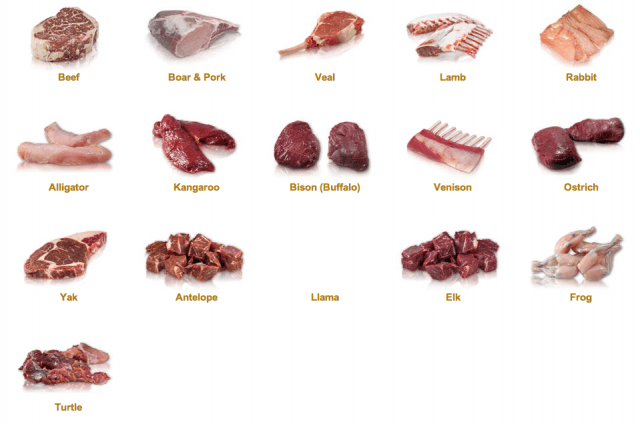
The world of game meats is incredibly diverse, offering a rich tapestry of flavors and textures. From forest to field, each animal provides a distinct culinary journey. Here is a brief look at some popular options:
| Game Meat Type | Typical Flavor Profile | Common Preparation |
|---|---|---|
| Venison (Deer) | Lean, earthy, slightly gamey | Roasting, grilling, stewing |
| Elk | Mild, sweet, very lean | Steaks, roasts, ground meat |
| Wild Boar | Rich, nutty, slightly sweet | Braising, slow roasting, sausages |
| Rabbit | Mild, delicate, slightly sweet | Frying, stewing, baking |
| Duck (Wild) | Rich, intense, often fatty | Roasting, pan-searing |
| Pheasant | Mild, slightly sweet, fine texture | Roasting, braising |
Exploring these different types allows for culinary creativity. Each game meat can transform a meal into an unforgettable experience. Experiment with various recipes and cooking methods to truly appreciate them.
Cooking and Enjoying Game Meats Safely What Are Game Meats
Preparing game meats requires attention to detail for both taste and safety. Always ensure proper handling and cooking temperatures. This guarantees a delicious and wholesome meal for everyone.
Many game meats are very lean, so they can dry out quickly if overcooked. Low and slow cooking methods often work best for tougher cuts. Marinating can also tenderize and enhance their natural flavors beautifully.
What Others Are Asking What Are Game Meats?
What defines game meat in the US?
In the US, game meat typically refers to animals harvested in the wild through hunting, rather than those raised domestically on farms. This includes species like deer, elk, wild boar, rabbit, and various game birds such as pheasant and duck. It distinguishes itself by its natural diet and active lifestyle.
Is game meat healthier than conventional meat?
Generally, game meat is often considered healthier than many conventional farmed meats. It tends to be leaner, lower in fat and cholesterol, and higher in protein, iron, and certain B vitamins. Its nutritional profile reflects the animal's natural diet and active wild lifestyle.
Where can I buy game meats in America?
You can purchase game meats from various sources across America. Specialty butcher shops often carry a selection, as do some high-end grocery stores. Online retailers specializing in exotic or wild meats also provide convenient options, delivering directly to your door in many states. Always check local regulations.
How do I safely prepare and cook game meat?
Safely preparing game meat involves thorough cooking to appropriate internal temperatures to eliminate potential pathogens, similar to conventional meats. Proper handling, including immediate cooling after harvest and strict hygiene, is crucial. Utilize a meat thermometer to ensure temperatures like 160F for ground meat and 145F for whole cuts.
What game meats are most popular right now?
Currently, venison (deer meat) remains widely popular in the US due to its lean profile and robust flavor. Wild boar is also seeing increased demand for its rich taste. Elk and bison are gaining traction as healthier alternatives to beef, while various game birds like pheasant and duck maintain their niche appeal.
FAQ What Are Game Meats?
What are game meats?
Game meats are derived from animals hunted in their natural environment, not raised on farms. They include species such as venison, elk, wild boar, rabbit, and various game birds. These meats offer distinct flavors and often leaner nutritional profiles.
Who consumes game meats in the USA?
A diverse group consumes game meats in the USA. This includes hunters and their families, culinary enthusiasts seeking unique flavors, and individuals prioritizing leaner, more natural protein sources. It also appeals to those interested in sustainable food practices.
Why choose game meats?
People choose game meats for their unique, often richer flavors and leaner nutritional content compared to farmed meats. Many also appreciate the sustainable aspect of harvesting wild animals and the connection to traditional eating practices. It is an adventurous culinary choice.
How are game meats different from farmed meats?
Game meats differ from farmed meats primarily in their origin and diet. Game animals forage naturally, leading to leaner meat with a distinct flavor profile. Farmed animals typically consume controlled diets, resulting in more consistent fat content and milder flavors. Game meat is also free from hormones and antibiotics.
Summary of Key Points What Are Game Meats
We have explored what game meats truly are, identifying them as undomesticated animals. Their unique flavors and health benefits are driving their rising popularity across the USA. Understanding sourcing and safe preparation ensures a delightful culinary journey. Embrace the adventure of game meats.
Understanding what game meats are, their nutritional value, sourcing, and cooking methods in the USA. Explore popular game meat types and their unique flavors. Discover the growing trend of wild game consumption for health and sustainability.
35

19 Types Of Game Meat Explained Intro 1676505152 . The Ultimate Guide To Game Meats The Rustic Elk WILD GAME MEATS 540x720 .webp. Kansas Packing 640x424 640x424 640w . What Is A Game Meat At Elijah Topp Blog Blog Feature 768x545 Updated . 15 Wild Game Meats Ranked By Calories Protein Fat



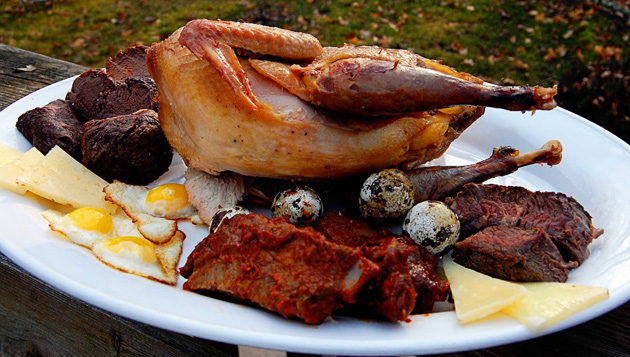
What Is Considered Game Meat At Neida Tracy Blog Infograph Wild Game 5 Full 1 . Blog Trends Resources How Tos More Blog Main Header . The Ultimate Guide To Game Meats The Rustic Elk Game Meats Pin 150x150 .webp. Scotties 2026 Banque De Et D Images Haute R Solution Mississauga Ontario Canada 1st Feb 2026 Kerri Einarson Of Team Canada Delivers A Stone During A Final Game Against Team Manitoba Lawes At The 2026 Scotties Tournament Of Hearts At Paramount Fine Foods Centre In Mississauga Ontario Credit Image Vasiliy Ryabykh Zuma Press Wire Editorial Usage Only Not For Commercial Usage 3dkrgh8 . Turkey Should You Go For Game Meat This Christmas Which Gm 24622511 1720 43fc B71d Assorted Game Meat

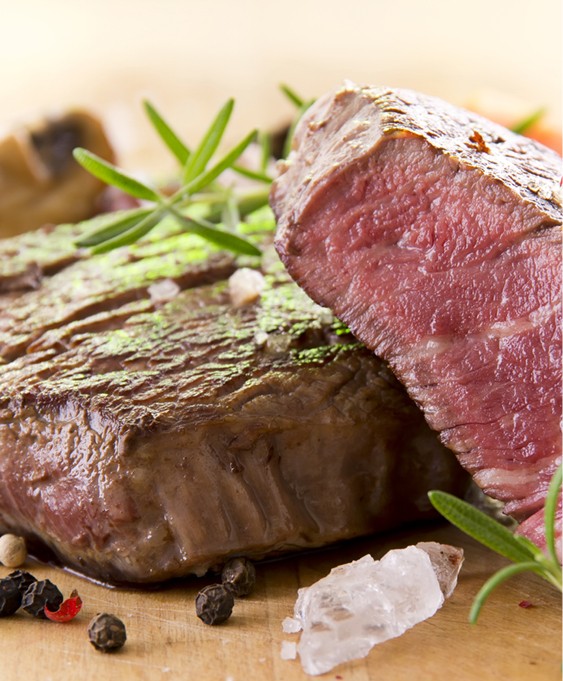
19 Types Of Game Meat Explained Elk 1676505152 . 31 Game Day Foods Everyone Still Talk About After The Big Game Lauren Tostada Recipe. Photo Credit Laurens Latest . Hunting And Prepping Food Safety Tips How To Ensure Wild Game Meat Is Venison Game Meat Deer Roast Haunch Steak . Wild Game Meat Health Benefits Healthful Pursuit Game Meat . Australia S Game Meat Specialist Alpine Game Meats Buffalo Placeholder



Goat Diced Gippsland Game Meats VenisonDog1 F8ea6f39 Ef19 48b6 B62e . Products Crossroads Game Meats DSC 0138 . 2026 Food And Beverage Trends Crafting Desirable Flavor Experiences 2026 Flavor Trends Blog Header 1280x640 . Specials Alpine Game Meats Web Hero Overlay . Guide Xbox Game Pass In 2026 The Full List Of Everything Announced So Far Large



Meatstock 2026 Carnivore Keto Biohacking Convention May 2 3 Meatstock 2026 . Retailer Experience Annual Meat Conference AMC 2026 Save The Date Web Header V1 . Games Coming Out In 2026 Android IOS V 9 43 Th. The Ultimate Guide To Game Meats The Rustic Elk Game Meat 600x338 . Box Premium Meat Selections Wild Game Meat Ltd Logo Geras 1





NEW UPCOMING GAMES 2026 Trailer Best New Game Trailers YouTube . Stock Market Predictions 2026 Trader Outlook Stock Market Predictions 2026 Header.webp. Super Meat Boy 3D Launches Early 2026 With Day One Game Pass And Xbox . Top 10 Most Anticipated Games Of 2026 What To Watch Out For GAMES IN 2026 . Gippsland Game Meats Funny



The Ultimate Guide To Game Meats The Rustic Elk How Long Will Game Meat Last 1400 x 780 Px 480x270 . Kingston Game Meats Best In Town Blog 1 . One Piece Card Game Beef Burst Hobbies Toys Toys Games On Carousell One Piece Card Game Beef Burs 1770040656 B368d1d2 Progressive . Maiores Lan Amentos De Games De 2026 Lancamentos Games 2026.webp. NJS Game Meats Game