Losing a pet is a deeply distressing experience for any owner in the USA. This comprehensive guide provides crucial, actionable steps on how to find lost pet effectively and swiftly. We cover immediate actions, leveraging technology, community outreach, and essential prevention tips. Discover proven strategies to reunite with your beloved companion, ensuring you understand exactly what to do when your furry friend goes missing. From local shelters to social media alerts, this resource is designed to empower pet parents across the United States with the knowledge to navigate this challenging situation. Learn how to maximize your search efforts and bring your pet home safely. Our focus is on practical advice for pet recovery and safe reunions.
What are the first steps when your pet goes missing?
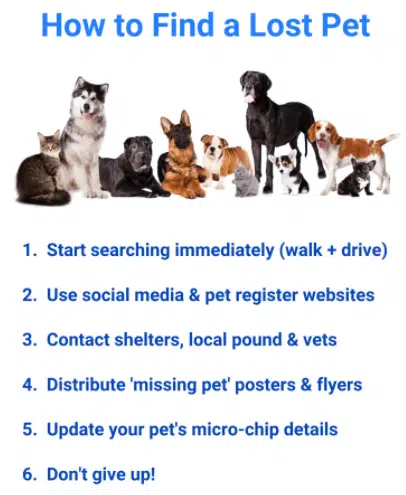
Immediately search your home and surrounding yard thoroughly, calling your pet's name. Then, contact local animal shelters, notify your microchip company, and inform neighbors. Quick action in the first few hours significantly boosts your chances of a reunion.
How can social media help find a lost pet?
Social media is powerful for finding lost pets by allowing you to share your pet's photo and details with a wide audience instantly. Post on local lost pet groups and community pages; this can generate sightings and help coordinate search efforts rapidly.
Is it effective to put up lost pet posters?
Yes, creating and distributing clear, visible lost pet posters is highly effective. They alert people in your immediate vicinity who might not be on social media. Place them in high-traffic areas with a large photo and your contact information.
What role do microchips play in finding lost pets?
Microchips are crucial as permanent identification for your pet. When scanned by a vet or shelter, they provide your contact details, allowing for direct communication and facilitating a quick reunion. Always keep your microchip registration updated.
How long should I keep searching for my lost pet?
You should never give up searching for your lost pet. Some pets are found months or even years later. Continue spreading the word, checking shelters, and maintaining hope. Persistence, combined with strategic search efforts, is key.
What should I do if I find a lost pet?
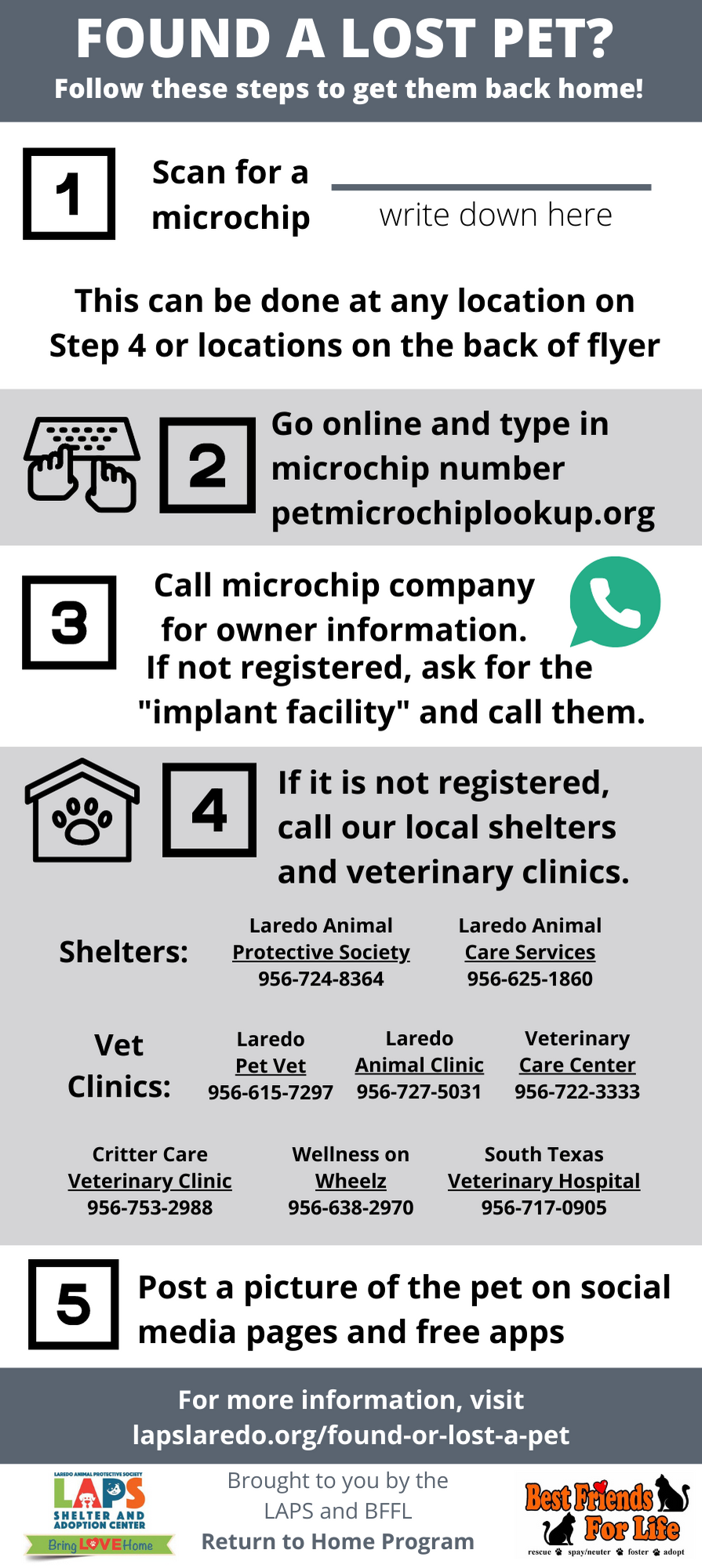
If you find a lost pet, first check for an ID tag to contact the owner. If no tag, take them to a vet or shelter to scan for a microchip. Post "found pet" notices online and in your neighborhood to help reunite them with their family.
Losing a cherished pet is a terrifying moment for any owner in the United States. When your beloved companion vanishes, knowing exactly how to find lost pet can feel overwhelming. This guide is here to empower you with immediate, effective steps to bring them home safely. We will explore the vital actions to take right away, where to look, and how to utilize your community and online tools.
You are not alone in this challenge. Many pet parents experience this heartbreak. But with the right approach, reunions are very common. Let's work together to bring your furry family member home.
Immediate Actions When Your Pet Goes Missing: How to Find Lost Pet Fast
As soon as you realize your pet is gone, act quickly. Check your home and yard thoroughly first. Often, pets hide in unusual spots, even indoors. A calm, systematic search starts the process right.
Call your pet's name while searching familiar outdoor areas. Use a favorite toy or treat to entice them out. Many pets stay close by, perhaps scared or disoriented. Your familiar voice can be a comforting beacon.
Don't hesitate to involve family and friends immediately. More eyes can cover more ground. Organize a small search party to expand your initial radius.
Spreading the Word About How to Find Lost Pet Effectively
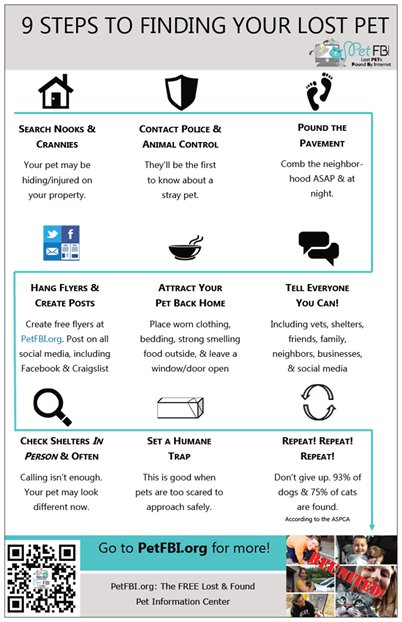
Contact local animal shelters and humane societies immediately. Provide a detailed description of your pet. Shelters are often the first place stray animals end up. File a lost pet report with every facility nearby.
Notify your microchip company right away. Ensure your contact information is current and active. A microchip is a vital tool for identification. This simple step can dramatically increase reunion chances.
Talk to your neighbors about your missing friend. Share a photo and your contact information with them. They might have seen your pet or could keep an eye out. Local eyes are invaluable in a search.
Reach out to local veterinary clinics too. Sometimes, good samaritans bring found pets there. Leaving your pet's details with them can create another valuable contact point.
Leveraging Technology to Find Your Lost Pet: Modern Strategies
Post on local social media groups and lost pet pages. Include clear photos, your pet's description, and the last known location. Share widely and encourage friends to do the same. Online communities offer incredible reach.
Utilize specialized lost pet apps and websites. Platforms like Petfinder and PawBoost send out alerts. Register your pet as lost on these services. This expands your search beyond immediate surroundings.
Consider using pet-specific GPS trackers for future prevention. These devices offer real-time location data. While not for recovery of an already lost pet, they are excellent preventative tools.
Creating Effective Lost Pet Posters and Flyers: A Visual Guide
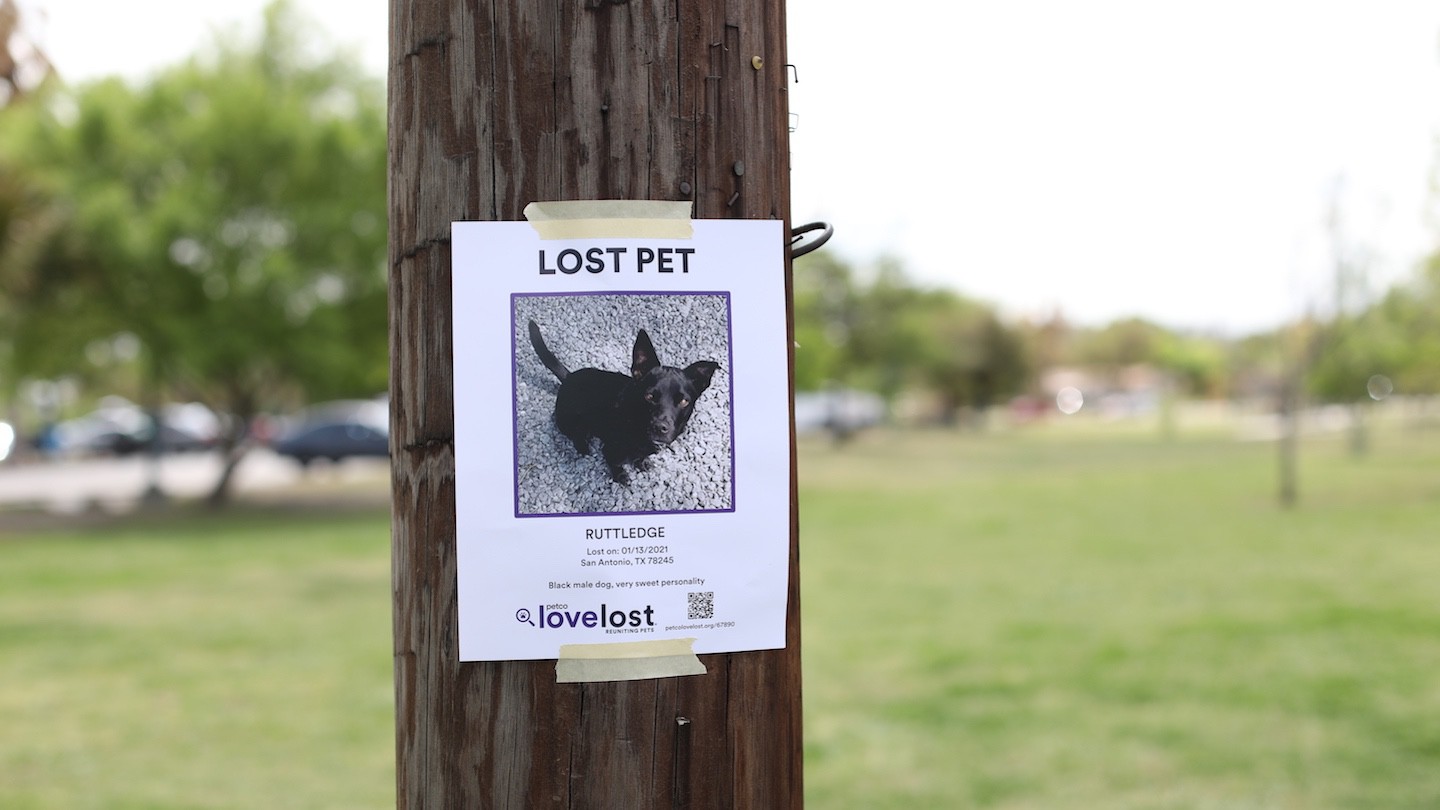
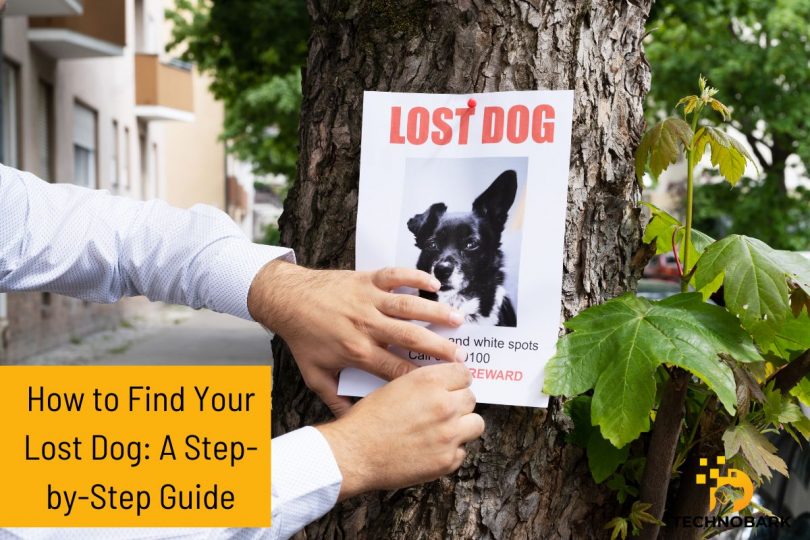
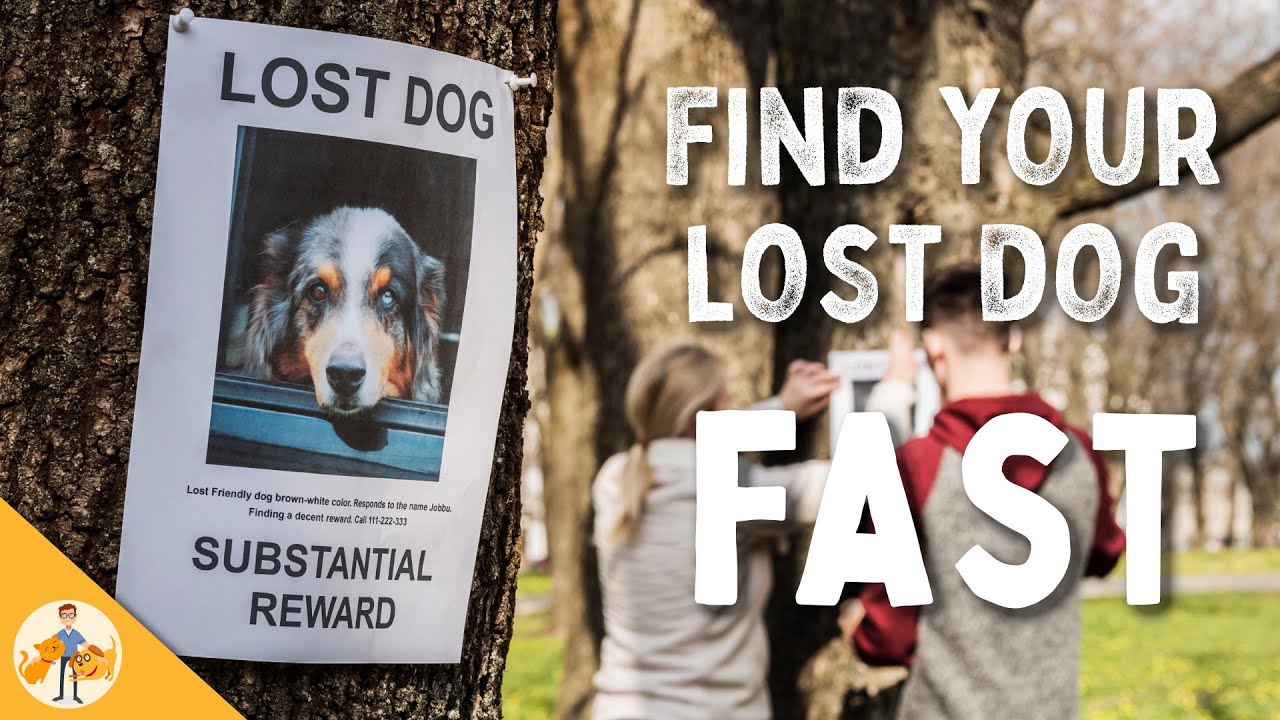
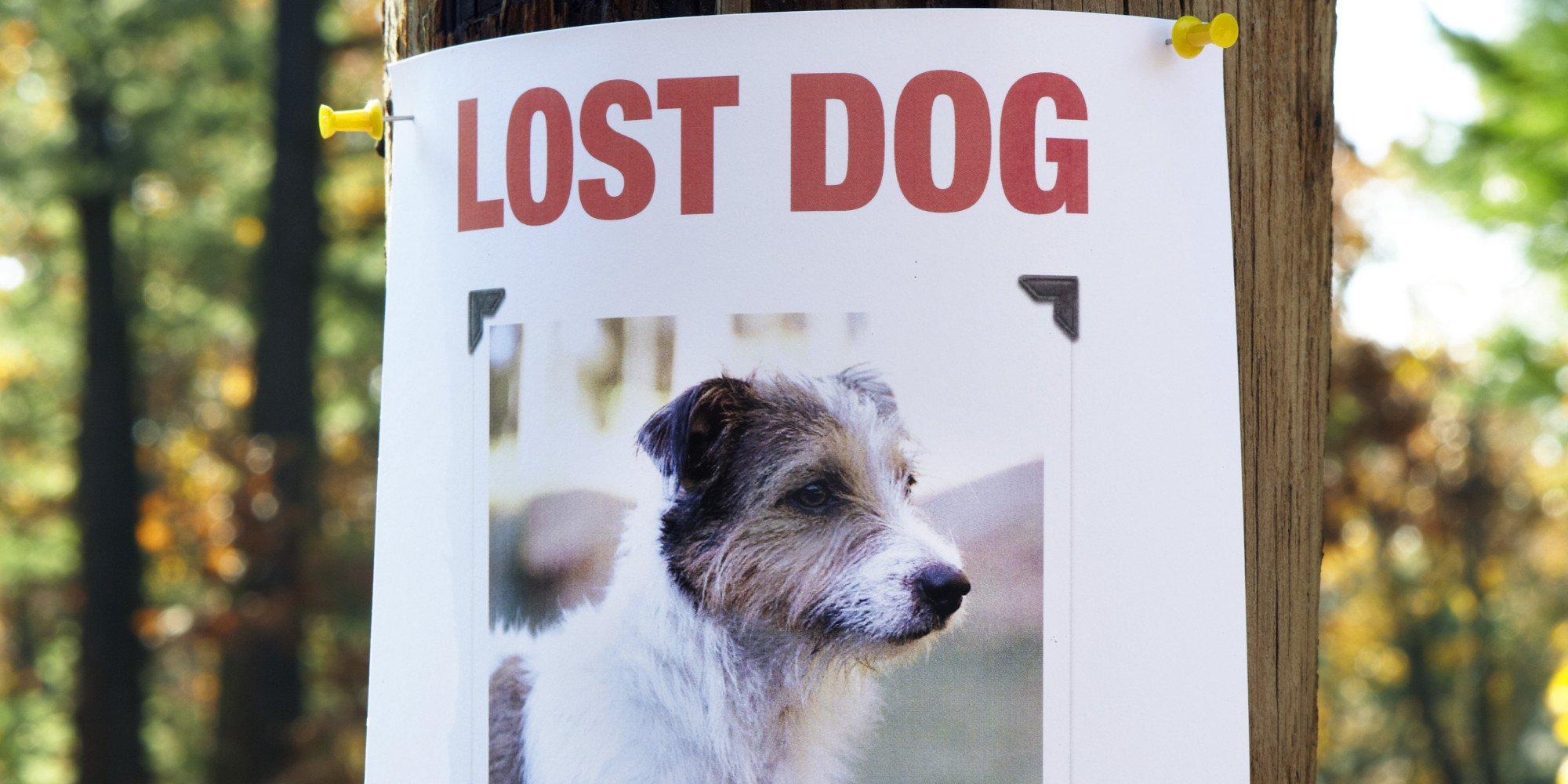
Design clear, eye-catching posters for your area. Include a large photo, 'LOST PET' prominently, and your phone number. Laminate them if possible to protect against weather. Good posters are crucial for public awareness.
Distribute these posters widely in your neighborhood. Place them at eye-level in high-traffic areas. Ask local businesses if you can display one inside. A physical presence helps capture local attention.
Think about where people walk and drive. Bus stops, lampposts, and community boards are prime spots. The more visible your posters, the better the chance of a sighting.
Understanding Pet Behavior When Lost: How to Find Lost Pet Better
Remember, lost pets often behave differently due to fear. They may hide, travel further than expected, or avoid human contact. Patience and persistence are key. Thinking like your pet can help guide your search.
Regularly check back at the point your pet went missing. Leave a familiar-smelling item like their bed or your worn clothing. This can attract them back to a known scent. Your scent offers comfort and direction.
Consider setting up a humane trap if your pet is timid or difficult to approach. Work with local animal control or rescues for guidance. These traps can safely secure a fearful animal.
Prevention is Key to How to Find Lost Pet in the Future
Ensure your pet always wears an ID tag with up-to-date contact information. This is the first line of defense if they get out. A collar and tag offer instant identification for finders.
Microchip your pet and keep its registration current. It provides permanent identification that cannot be lost. Microchips are a reliable backup. They are a small device with a huge impact.
Secure your yard with proper fencing and gates. Regular checks can prevent escape routes. A safe home environment is the best deterrent against lost pet situations.
Keep recent, clear photos of your pet. These are invaluable for posters and social media posts. Good pictures capture distinguishing features accurately.
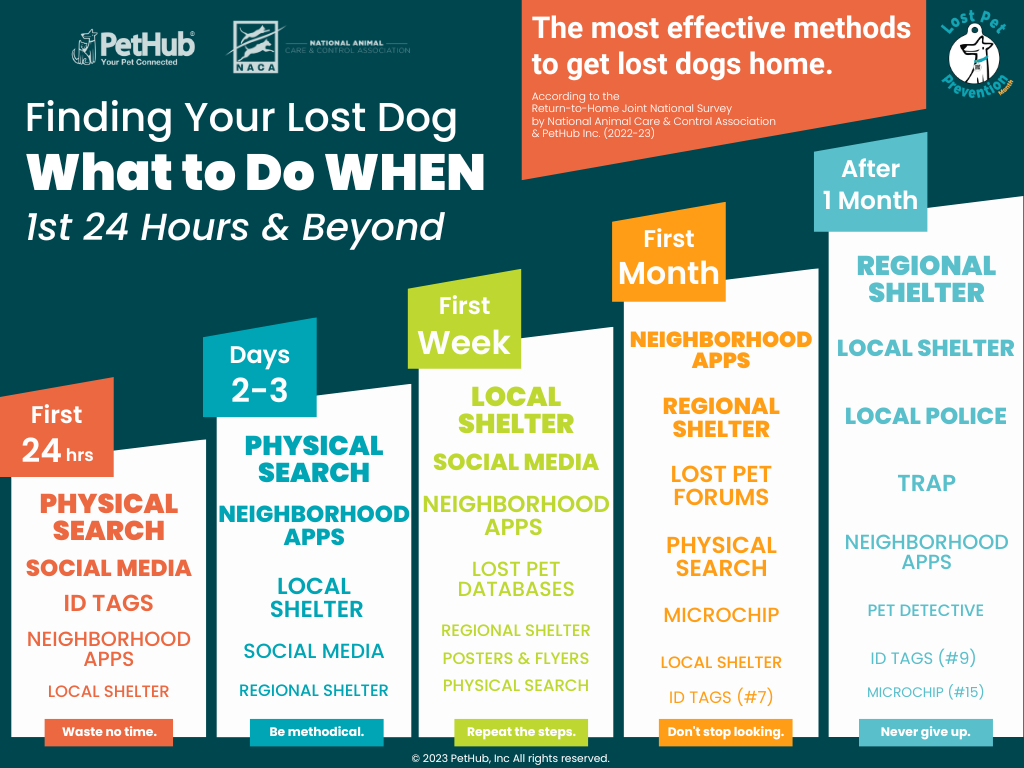
| Action Step | Description of How to Find Lost Pet | Timeframe |
|---|---|---|
| Immediate Home Search | Thoroughly check all indoor and outdoor areas of your property. | First hour |
| Notify Shelters/Rescues | Contact all local animal shelters and humane societies. | First 24 hours |
| Update Microchip Info | Ensure contact details with microchip registry are current. | First 24 hours |
| Social Media Posts | Share clear photos and details on local lost pet groups. | First 24-48 hours |
| Flyer Distribution | Create and post physical flyers in your neighborhood. | First 48-72 hours |
| Neighborhood Canvass | Talk to neighbors, mail carriers, and delivery drivers. | Ongoing |
| Regular Site Checks | Revisit the last known location, leave familiar items. | Ongoing |
What Others Are Asking About How to Find Lost Pet?
How far do lost dogs travel?
Lost dogs can travel surprisingly far, often miles from home, especially if they are scared or disoriented. Their travel distance depends on factors like personality, breed, and local environment. Some stay close, while others roam widely seeking safety or food.
What should I do first when my pet goes missing?
Your absolute first step is to thoroughly search your immediate home and yard. Many pets, especially cats, hide nearby. Then, start alerting neighbors, local shelters, and update your microchip information. Quick action significantly increases your chances of a reunion.
Do lost cats come back home?
Many lost cats do eventually return home on their own, often within a few days, especially if they are indoor-outdoor cats. Provide a safe outdoor space with food, water, and their litter box to encourage their return. Continue active searching too.
What scent attracts lost dogs?
Lost dogs are often attracted to familiar scents. Place their unwashed bed, a favorite toy, or even your worn clothing outside your home. The smell of their owner or a beloved item can help guide them back. Food smells can also attract them.
How long does it take to find a lost pet?
The time it takes to find a lost pet varies greatly, from hours to weeks or even months. Persistence is key; some pets are found years later due to microchips or community efforts. Continuous searching and spreading the word are essential.
Should I leave food out for my lost pet?
Leaving food out can attract your lost pet, but it might also attract other animals. If you do leave food, do so in a sheltered, safe area near your home and monitor it closely. It's best combined with a familiar scent to lure your pet specifically.
FAQ: How to Find Lost Pet
What is the most effective way to find a lost pet?
The most effective strategy involves immediate action: searching nearby, contacting all local shelters, updating microchip information, and broadly utilizing social media and flyers. Persistence and community engagement are paramount for a successful reunion.
Who should I contact first when my pet is lost?
First, contact your local animal control, humane societies, and any nearby animal shelters. Then, notify your microchip company. These organizations are critical resources and often the first point of contact for found animals, streamlining the recovery process.
Why is microchipping important for lost pets?
Microchipping provides permanent identification that cannot be removed or lost, unlike collars. It links your pet directly to your contact information, making it much easier for shelters or vets to reunite you, even years after your pet went missing.
How can I prevent my pet from getting lost in the future?
Prevention involves ensuring your pet wears a collar with an up-to-date ID tag and is microchipped with current contact details. Secure your yard, supervise outdoor time, and consider GPS trackers for adventurous pets to offer peace of mind.
Immediate action is crucial. Utilize local resources and community networks. Leverage technology and social media. Create effective lost pet posters. Never give up hope.
35
15 Missing Pet Statistics How Many Pets Are Lost 2026 Update Dogster Dogster Missing Pet Statistics V1 Jun 25 2024 . 9 Steps To Finding A Lost Pet Infographic Pet FBI Pets Found By Internet 9 Steps Finding Lost Pet . Lost Pets Can Be Hard To Find So Follow These Tips PD Insurance Image 1 .webp. Lost Dog Ig Timeline Lost Dog Search . Found Or Lost A Pet Laredo Animal Protective Society Found Lost Pet Page 3 Orig


How To Find Lost Pets On Nextdoor Be App Savvy YouTube . How To Find A Lost Pet English YouTube . Ring Uses Its 2026 Super Bowl Ad To Help The U S Find Its Lost Dogs. How To Find A Lost Dog Dog Behavior Blog How To Find A Lost Dog . How To Find A Lost Dog Petco Love Lost Wide Photo Of A Lost Dog Flyer On Wood Post


How To Find Your Lost Dog Without A Collar 1661630694 Lost Dog Poster . How To Find A Lost Dog How To Find A Missing Dog Best Way To Find A . How To Find Lost Pets In Minecraft Ebook Hsus Pet Tips 791x1024 . Ring Uses Its 2026 Super Bowl Ad To Help The U S Find Its Lost Dogs. Do You Know This Dog Found Lost Dogs North Carolina Facebook Media



How Are Drones Used To Find Lost Pets YDQA EP 65 YouTube . How To Find Your Lost Dog A Step By Step Guide Technobark How To Find Your Lost Dog 810x540 . HOW TO FIND A LOST PET KEEP YOUR DOG OR CAT SAFE AT HOME OR FIND THEM HOW TO FIND A LOST PET . How Do You Scan A Lost Dog What To Do If You Find A Lost Dog 062923 . A Nine Step Check List To Help Find A Lost Dog Cyprus Mail 92




How To Find A Lost Dog Things You Haven T Considered HuffPost O LOST DOG Facebook . How To Make A Missing Pet Poster How To Make A Lost Cat Or Dog Poster . How To Find A Lost Dog The Best Tips If You Lose Your Dog Boogie The Pug How To Find A Lost Dog . What Should I Do If I Find A Lost Pet PetHub Pinterest Find Lost Pet . Help Reunite Lost Pets Near You Petco Love Lost Help Lost Pets





How To Find A Lost Pet Steps You Can Take Miss Molly Says How To Find A Lost Pet Steps You Can Take Banner 4 800x1200 . Does The Dog In Lost Die 3ea280e1 Bad5 46d9 9c73 . 2026 Pets Square Wall Calendar 1 Bc2269a7 1f0b 40b5 A2c9 . Missing Dog Poster What To Do If Your Dog Gets Lost Old Dogs Canva White Red Simple With Photo Missing Dog Printable Poster NqfiIMEL5h8 . Find Lost Pets Friends Of Detroit Animal Care Control Shelter For Lost Dog Flyer

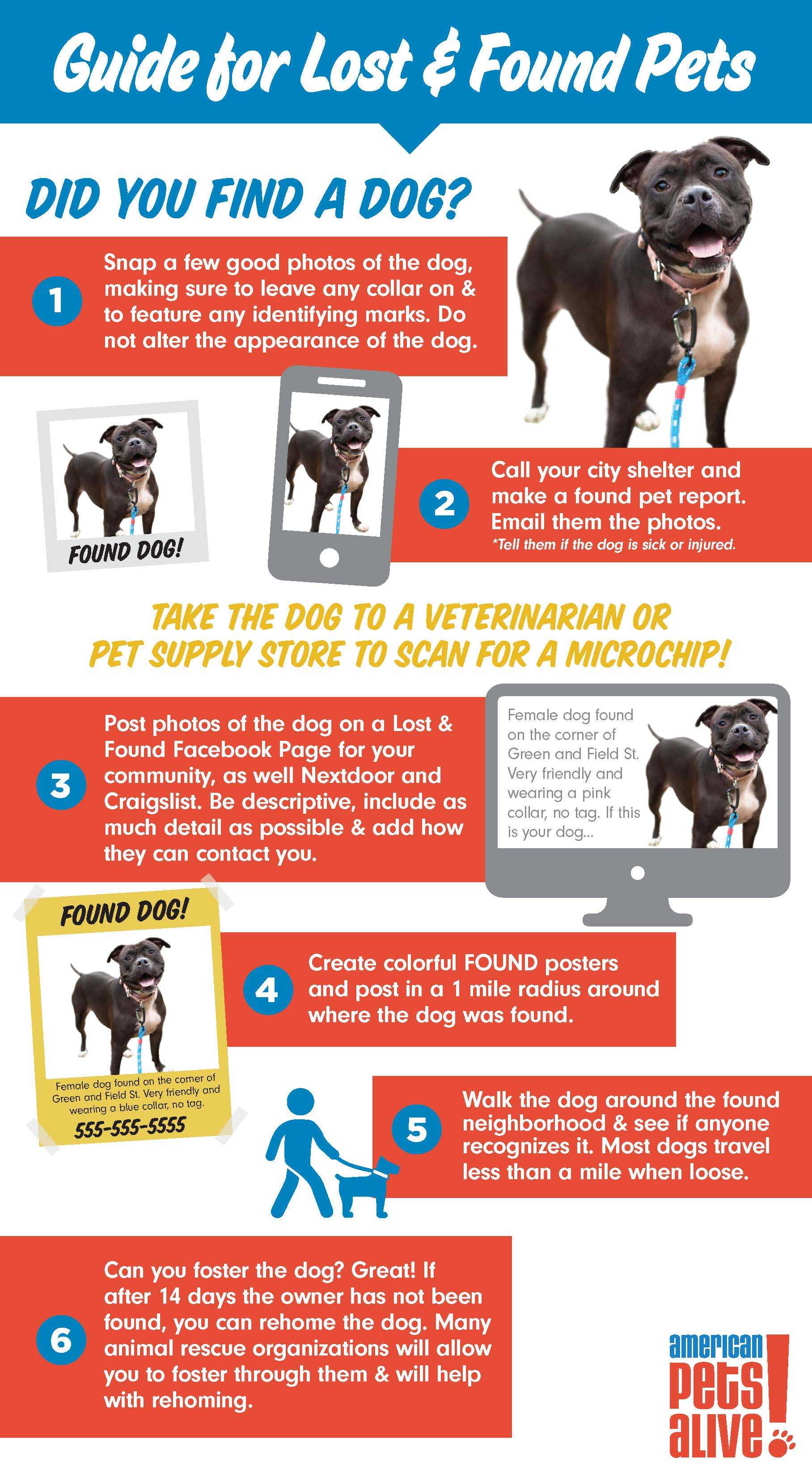


How To Find Your Lost Dog IMG 0603 1024x1024 . American Pets Alive What To Do When You Find A Dog And The Shelter Found Dog Infographic . National Lost Pet Prevention Month 6 Ways To Prevent Lost Pets The A Man And A Woman Are Looking For A Missing Pet Putting Up Posters Scaled . Lost Found Pets In Chicago Illinois Find Missing Pets Pet911 Img 0104 . How To Find A Lost Cat Or Dog Infographic Dog Infographic Losing A