Understanding the Safavids map offers a crucial glimpse into one of history's most influential empires. This guide explores the geographical reach and cultural impact of the Safavid dynasty, a pivotal force in shaping modern Iran. Delve into the political boundaries, key cities like Isfahan, and strategic trade routes that defined this powerful era. Exploring a Safavids map reveals the empire's vast territories spanning from parts of present-day Turkey to Afghanistan. It highlights the dynamic interactions with neighboring empires such as the Ottomans and Mughals, illustrating centuries of geopolitical significance. For anyone interested in Middle Eastern history or historical geography, a detailed Safavids map provides invaluable insights. This informational resource helps to navigate the historical landscape and appreciate the legacy of a truly remarkable civilization.
When we look at a Safavids map, we are truly exploring the heart of ancient Persia. This powerful empire, which began in 1501, profoundly shaped the region for centuries. The Safavids established Twelver Shia Islam as the official religion, a monumental shift in Iranian identity. Their vast territories stretched across what is now Iran and beyond, influencing art, culture, and politics.
Studying a Safavids map helps us understand their strategic positioning and growth. The empire's reach included key trade routes, making them a central player in global commerce. Major cities such as Tabriz, Qazvin, and especially Isfahan, flourished under Safavid rule. These urban centers became hubs of magnificent architecture and intellectual thought.
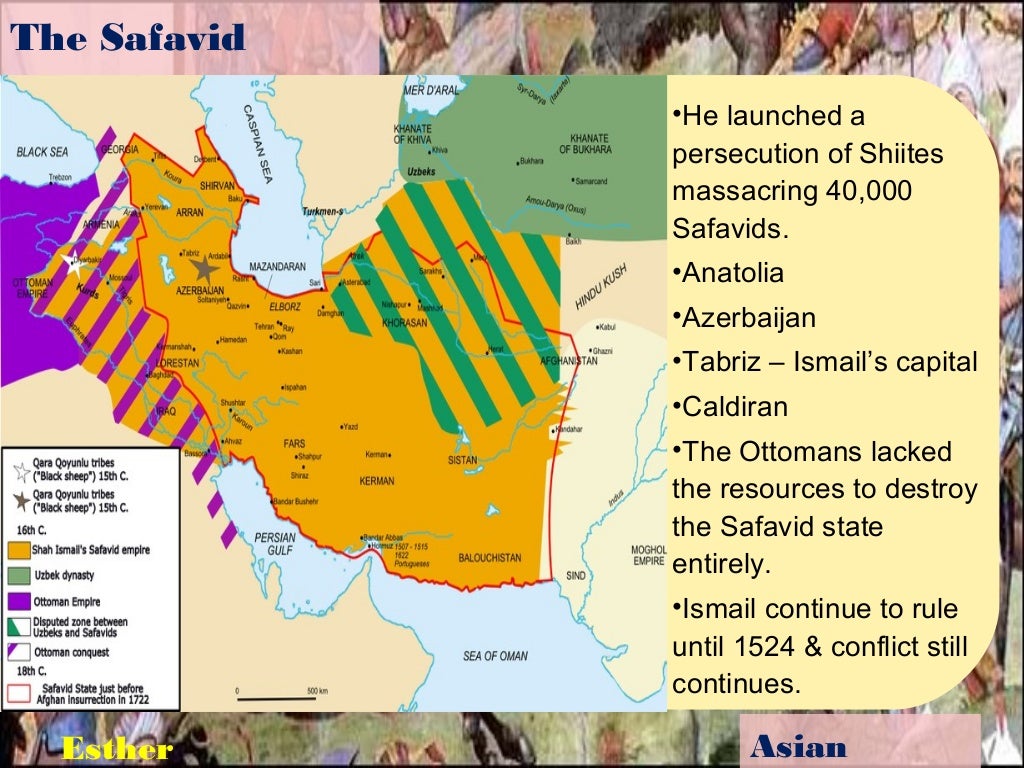
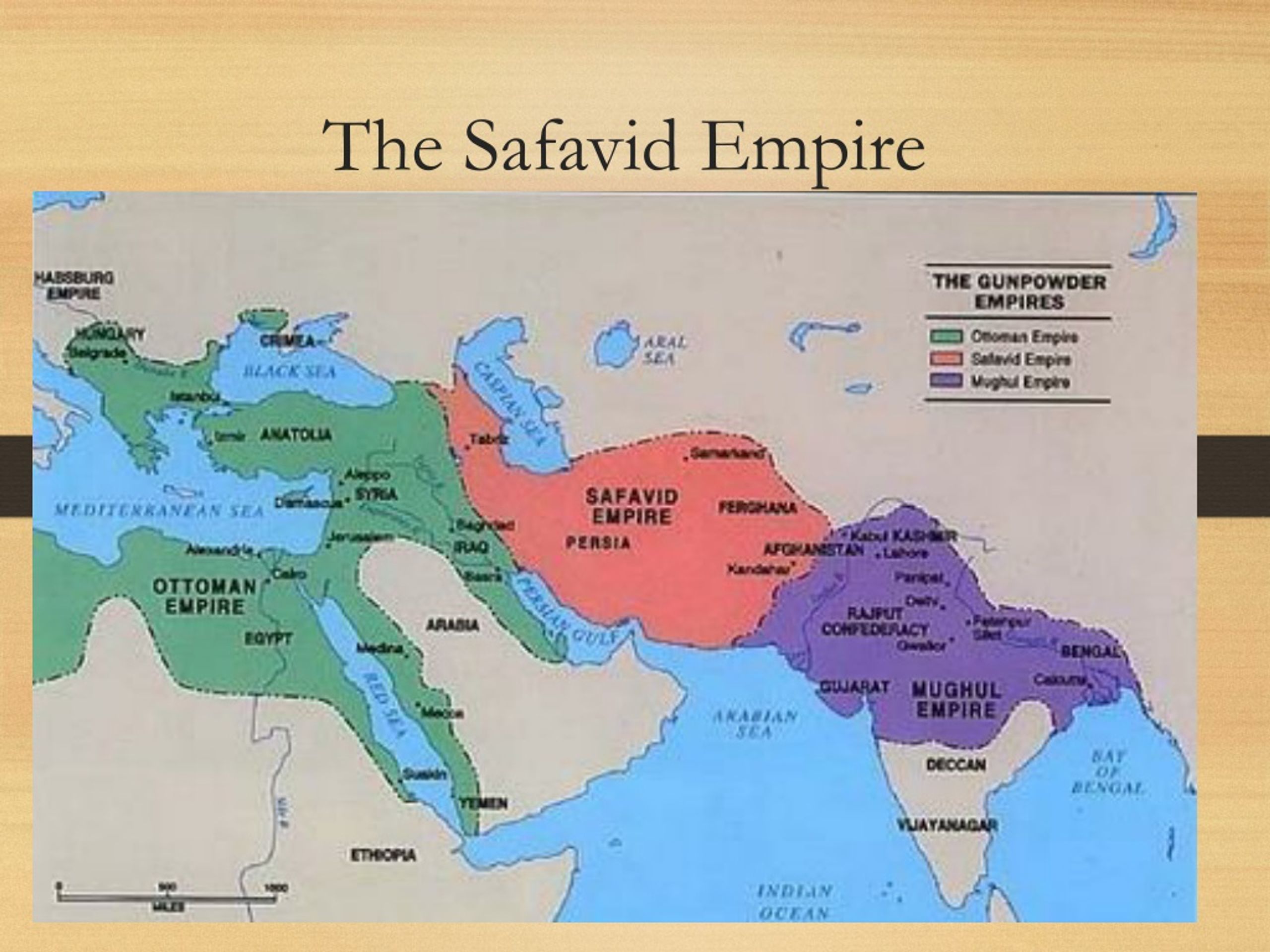
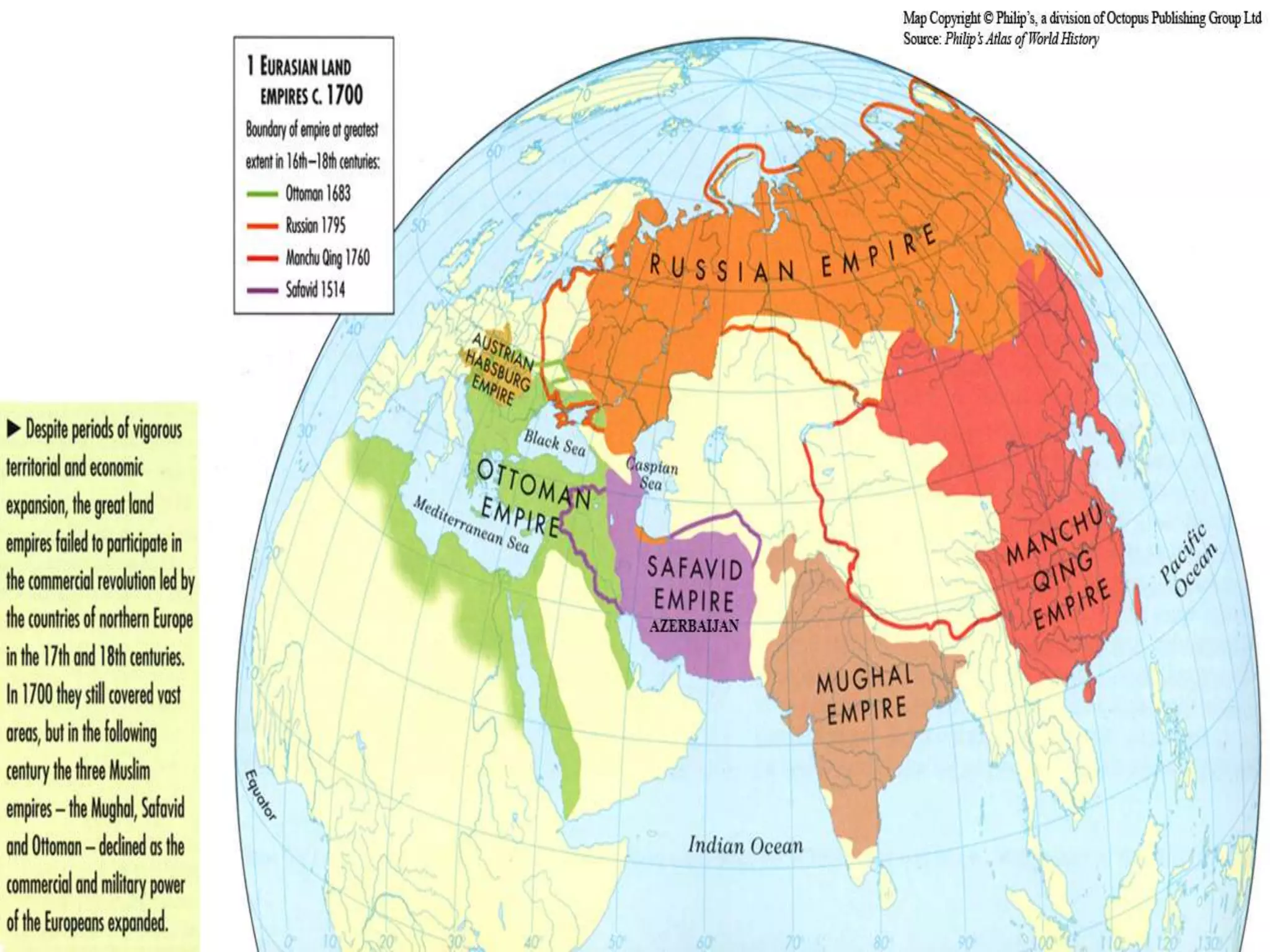
The Safavids map also shows the dynamic interactions with neighboring powers. Conflicts and alliances with the Ottoman Empire to the west and the Mughal Empire to the east were constant. These geopolitical relationships frequently altered the boundaries visible on any Safavids map. The empire's legacy continues to resonate in the cultural and religious landscape of Iran today.
Understanding the Safavids Map and Its Significance
The Safavids map details a period of immense change and cultural blossoming. From its founding in the early 16th century to its decline in the mid-18th century, the Safavid Empire was a beacon. It fostered a unique Persian identity rooted in Shia Islam and a rich artistic tradition. Examining the Safavids map helps us visualize this remarkable historical journey.
The Geographical Scope of the Safavids Map
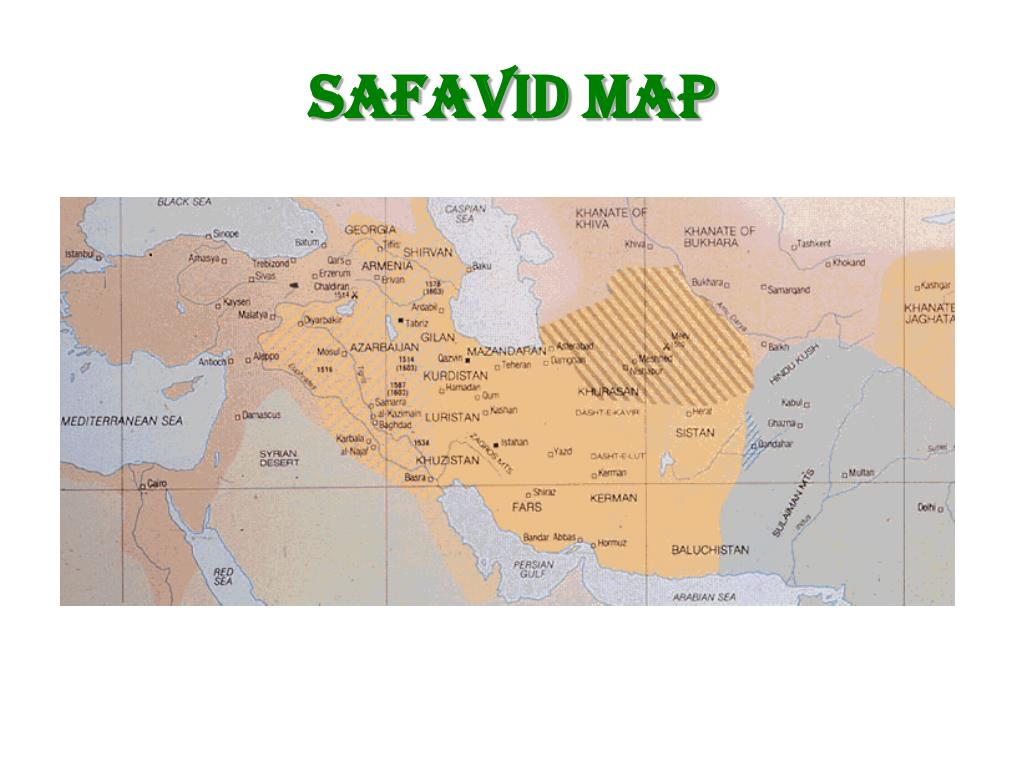
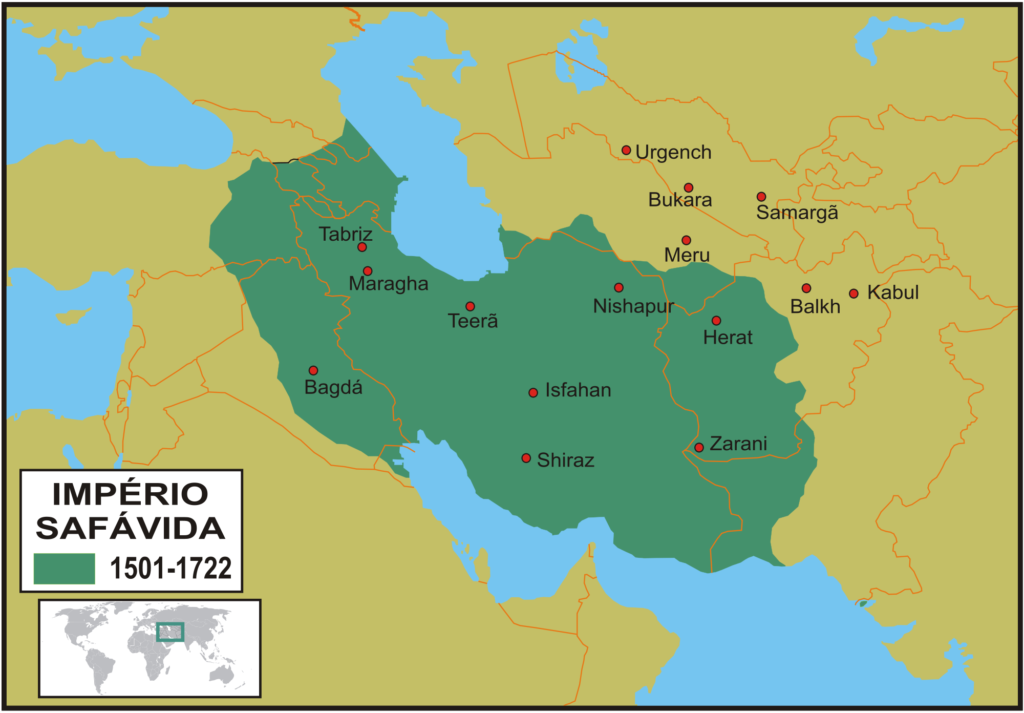
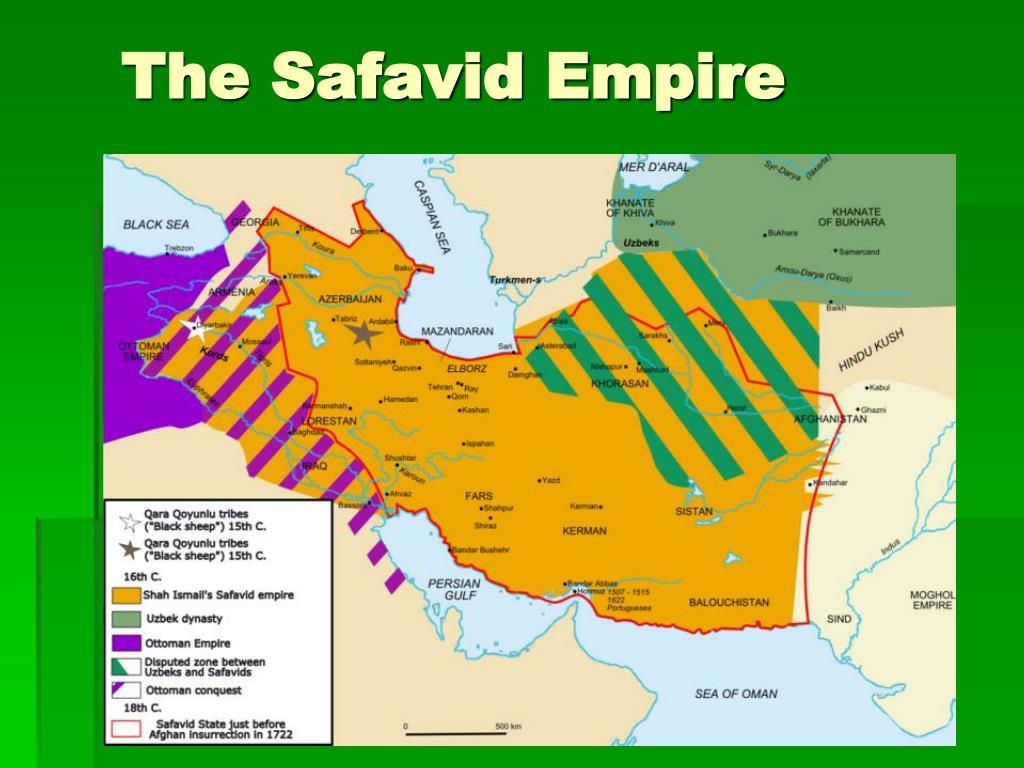
A typical Safavids map displays the empire at its peak, showcasing its substantial territorial claims. This included most of modern-day Iran, parts of Azerbaijan, Armenia, Georgia, Iraq, Afghanistan, and Pakistan. The borders often fluctuated due to ongoing conflicts, making specific Safavids map depictions vary slightly.
Key Cities on the Safavids Map
Several vital cities are prominently featured on any Safavids map. Tabriz served as the initial capital, followed by Qazvin, and then the breathtaking city of Isfahan. Isfahan, under Shah Abbas I, became one of the world's most magnificent capitals. Its grand squares, mosques, and palaces are architectural marvels.
What Others Are Asking?
What was the Safavid Empire known for on a Safavids map?
The Safavid Empire is primarily known for establishing Twelver Shia Islam as Iran's official religion. A Safavids map shows its extensive territory, cultural flourishing, and architectural achievements. The empire also played a crucial role in international trade and diplomacy, leaving a lasting legacy in the region's history.
Where was the Safavid Empire located according to the Safavids map?
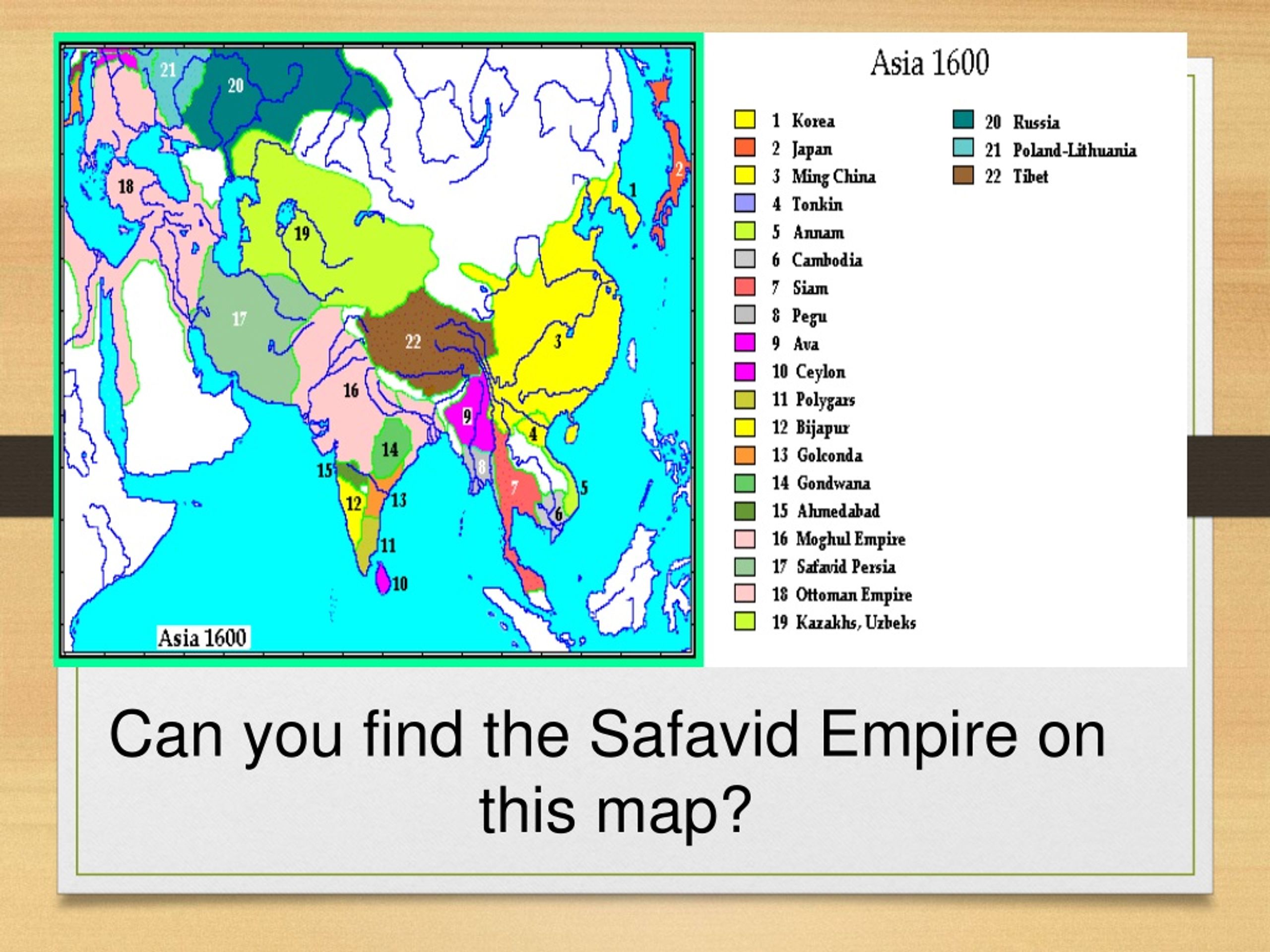
The Safavid Empire was primarily located in Persia, encompassing modern-day Iran and parts of neighboring countries. A Safavids map illustrates its reach across the Iranian plateau, extending to areas of the Caucasus, Anatolia, Mesopotamia, and Central Asia. This strategic location connected major East-West trade routes.
When did the Safavid Empire exist, as seen on the Safavids map?
The Safavid Empire existed from 1501 to 1736, a period of over two centuries. A Safavids map often depicts its territorial boundaries during its various stages of expansion and consolidation. This timeline marks a significant era of Iranian sovereignty and cultural development within the broader Middle East.
Who founded the Safavid Empire, as depicted on a Safavids map?
Shah Ismail I founded the Safavid Empire in 1501. He unified Persia and proclaimed himself Shah, establishing the Safavid dynasty. His initial conquests and administrative reforms laid the groundwork for the empire's expansion. Subsequent rulers like Shah Abbas I further solidified its power and territorial integrity seen on a Safavids map.
What was the capital of the Safavid Empire, as shown on a Safavids map?
The Safavid Empire had three main capitals over its history. Tabriz was the first, followed by Qazvin. The most famous capital, beautifully illustrated on many Safavids maps, was Isfahan. Under Shah Abbas I, Isfahan became a grand, cosmopolitan city, celebrated for its stunning architecture and urban planning.
FAQ about Safavids Map
Who were the Safavids on a Safavids map?
The Safavids were a powerful dynasty that ruled Persia from 1501 to 1736. They established a unified Iranian state and made Twelver Shia Islam its official religion. Their empire, visible on a Safavids map, was a major force in the Middle East.
What is a Safavids map used for?
A Safavids map is used to visualize the geographical extent of the Safavid Empire. It helps understand their territorial control, major cities, and key trade routes during this historical period. Historians and students use it for geographical context.
Why is the Safavids map important for history?
The Safavids map is crucial because it represents a period of profound cultural and religious transformation in Iran. The empire's boundaries and influence, shown on the map, illustrate its role in shaping the modern identity and geopolitical landscape of the region.
How did the Safavid Empire expand, as shown on a Safavids map?
The Safavid Empire expanded through military conquests and strategic alliances, notably under Shah Ismail I and Shah Abbas I. A Safavids map shows how they gradually consolidated control over the Iranian plateau and surrounding areas. This expansion often involved conflicts with the Ottomans.
| Empire Duration | 1501 - 1736 CE |
| Key Founder | Shah Ismail I |
| Official Religion | Twelver Shia Islam |
| Peak Capital | Isfahan |
| Territorial Extent | Modern Iran, parts of Azerbaijan, Armenia, Georgia, Iraq, Afghanistan |
| Major Rivals | Ottoman Empire, Mughal Empire |
Exploring the Legacy of the Safavids Map
The Safavids map is more than just ancient borders; it represents a thriving civilization. Their patronage of arts, construction of grand mosques, and establishment of a distinct national identity left an indelible mark. We can still see their influence in Iran's cultural richness today. This historical Safavids map guides our understanding.
Safavids map showcases a powerful Persian empire. It reveals territorial extent from 1501 to 1736. Key cities like Isfahan were central to its domain. The map illustrates critical trade routes and cultural influence. It highlights interactions with Ottoman and Mughal Empires. The Safavids map is essential for understanding ancient Iranian history.
Safavid Empire Map Safavid Empire Safavid Empire Map Safavid Empire On Map Greater Safavid Empire Of Persia By Overtronxxx Dc0fdt0 Fullview
Safavid Land Map A Prediction Of The Future Land Cover Changes In A 2024 And B 2034 For A Riyadh Map Of The Safavid Empire Safavid Empire 1501 1722 AD Pt.svg Map Of Safavid Empire In The Middle East Safavid Empire At Its Height Stock Vector Xvii Century Safavid Empire Map 2214207517
Safavid Empire At Its Height 3 0 PPT Safavid Empire 1501 1740 PowerPoint Free Download Map Of Safavid Empire L PPT Ch 28 Islamic Empires Of The Early Modern Era PowerPoint Safavid Map L How Did The Ottomans And Safavids Change The Region At Joel Alicia Blog
PPT The Rule Of The Safavids PowerPoint Free Download Slide6 L Safavid Empire Location Map CC5EDB8D 2F29 46D9 AE2C PPT The Safavid Empire PowerPoint Free Download ID Can You Find The Safavid Empire On This Map L Safavids Empire Map
Safavid Empire MEMOs Safavid Map4000w Safavid Empire At Its Height DUxvUQ B 4 4 The Safavid Empire Humanities LibreTextsPPT The Safavid Empire PowerPoint Free Download ID The Safavid Empire L
Safavid Empire Map Safavid Empire L The Safavid Empire At Its Peak In 1629 1008x7074 By Swordrist On The Safavid Empire At Its Peak In 1629 1008x7074 By Swordrist Deeub92 Pre Maps Of Safavid Empire PPTX Maps Of Safavid Empire 8 2048 PPT The Safavid Empire PowerPoint Free Download ID The Safavid Empire L
Safavid Empire World Map Unveiling A Lost World Safavid Empire World Location Safavid Persia Map Ottoman Safavid And Mughal Empires Map Ottoman Safavid War 1Map Of The Safavid Empire
Safavid Empire World Map Unveiling A Lost World Safavid Empire 62 The Maximum Extent Of The Safavid Empire Under Shah Abbas I P2DTD0 Safavid Empire At Its Height Safavid Empire The Safavid Empire The Safavid Empire 10 1024
Introducing The 2026 Senate Interactive Map 270toWin Senate Incumbent Ottoman Safavid And Mughal Empires Map U5L2 Safavid Empire Map SfnT2gO Safavid Empire World Map Unveiling A Lost World