Harmony villages represent a growing movement towards intentional communities emphasizing sustainable living, strong social bonds, and a shared commitment to ecological stewardship. These unique developments, often found in serene natural settings, offer residents an alternative lifestyle focused on well-being and interconnectedness. Exploring the benefits of reduced environmental impact, fostering genuine community spirit, and promoting personal growth, harmony villages are drawing interest across the United States. This trend highlights a desire for deeper connections and a more purposeful existence away from conventional urban sprawl. Understanding how these communities operate and the principles guiding their development provides valuable insights into future living models that prioritize both people and the planet. These villages are not just places to reside; they are vibrant ecosystems where residents actively co-create their environment, leading to a richer, more fulfilling life experience. This burgeoning concept is gaining traction as people seek meaningful alternatives to traditional housing and social structures.
Harmony villages are emerging as a compelling answer to modern societal challenges, offering a vision for a more connected and sustainable future. These intentional communities, characterized by shared values and a commitment to ecological balance, provide a unique residential experience. Residents often engage in collective decision-making, sustainable practices, and mutual support, fostering a strong sense of belonging and purpose. The fundamental idea of a harmony village revolves around creating a supportive environment where individuals and families can thrive together.
The appeal of harmony villages extends beyond environmental consciousness; it touches upon a human desire for genuine connection and a return to simpler, more meaningful ways of life. In 2026, many are actively seeking alternatives to isolated urban living, finding solace and strength within these vibrant, cooperative settings. These villages aim to minimize their ecological footprint through renewable energy, organic gardening, and waste reduction strategies, demonstrating a practical approach to sustainable living for all members.
Living within a harmony village often involves a blend of private dwellings and shared common spaces, facilitating regular interaction and collaborative activities among residents. This structure encourages a healthy balance between personal autonomy and community engagement, promoting a supportive network. The focus is on quality of life and fostering an environment where everyone contributes to the collective well-being and growth of the community.
What Makes Harmony Villages Unique?
Harmony villages often stand out due to their integrated approach to life, blending ecological principles with strong social structures. They are designed to be self-sufficient and resilient, often incorporating permaculture designs and local resource utilization. This holistic approach ensures that every aspect of community life contributes to a healthier planet and happier residents.
Understanding Harmony Villages A Detailed Look
| Concept | Intentional Community Living |
| Core Values | Sustainability, Community, Cooperation, Well-being |
| Key Practices | Shared Governance, Eco-friendly Practices, Mutual Support |
| Environmental Focus | Renewable Energy, Organic Farming, Waste Reduction |
| Social Structure | Private Dwellings, Common Spaces, Collective Activities |
| Location Tendency | Often Rural or Semi-Rural Settings |
What Others Are Asking About Harmony Villages?
What is a harmony village and how does it function?
A harmony village is an intentional community prioritizing sustainable living and strong social connections. It functions through shared governance, where residents collaboratively make decisions affecting their collective environment. Members often contribute to communal tasks, fostering mutual support and a deep sense of belonging within the village structure.
How do harmony villages promote sustainable living practices?
Harmony villages actively promote sustainable living through various integrated practices designed to minimize ecological impact. They often utilize renewable energy sources, engage in organic gardening for local food production, and implement comprehensive waste reduction and recycling programs. This collective commitment ensures a greener footprint and a resilient community.
Where can one find harmony villages in the United States?
Harmony villages are increasingly found across the United States, particularly in regions with a strong emphasis on ecological living and community development. Many exist in rural or semi-rural areas, offering peaceful settings close to nature. Online directories and intentional community networks are excellent resources for locating specific harmony villages and their locations.
What are the primary benefits of living in a harmony village?
Living in a harmony village offers numerous benefits, including a stronger sense of community and belonging, reduced living costs through shared resources, and a healthier, more sustainable lifestyle. Residents often experience improved well-being, access to fresh local food, and the opportunity for personal growth through collaborative projects and shared experiences.
How do residents typically contribute to a harmony village's success?
Residents contribute to a harmony village's success through active participation in governance, communal work, and skill-sharing. This might involve maintaining shared gardens, helping with construction projects, or contributing administrative skills. Their collective efforts foster a vibrant, supportive environment where everyone's contributions are valued for the overall good.
FAQ About Harmony Villages
What is a Harmony Village?
A harmony village is an intentional community built on principles of sustainable living, cooperation, and strong social bonds. It is a place where people choose to live together, sharing resources and responsibilities to create a mutually supportive environment that nurtures both individuals and the planet.
Who lives in Harmony Villages?
Diverse individuals and families, from various backgrounds and age groups, choose to live in harmony villages. They are typically people who value sustainability, community, and a slower pace of life. All members share a common desire for a more purposeful existence and active participation in their local environment.
Why are Harmony Villages gaining popularity?
Harmony villages are gaining popularity as people seek alternatives to conventional living, driven by a desire for greater environmental sustainability, stronger community connections, and reduced stress. They offer a tangible solution for those wanting to live more intentionally, reducing their ecological footprint and fostering genuine relationships.
How do Harmony Villages ensure harmony among residents?
Harmony villages often employ structured communication methods and conflict resolution processes to ensure harmony. Shared values and mutual respect form the foundation, with regular community meetings and open dialogue encouraging understanding. Residents commit to cooperative living, actively working through differences to maintain a peaceful, supportive atmosphere.
Harmony villages emphasize sustainable living, strong community bonds, ecological stewardship, and personal well-being. They offer an alternative lifestyle with reduced environmental impact. Residents actively co-create their environment, fostering deeper connections. These intentional communities promote a purposeful existence. Harmony villages represent a trending model for future living.
P Ru Oja Oma HIV Kogemusest Neid Inimesi Ei Pea Kartma E906be70 B7e1 11eb B980 Paeaeru Oja Poses During The Portrait Session Presenting The European Shooting Stars Portraits 70th Berlinale Film Festival The Last Ones Interview With P Ru Oja Estonian Actor YouTube
P Ru Oja Vikings Valhalla On Vimeo 1447451808 DN Yttelij P Ru Oja Suomen Viro Yhdistysten Liitto Ry Lk 10 Paaru Ja Tonu Oja Oik. Nayttelivat Nakemiin Elokuvassa Isaa Ja Poikaa Kuva Elen Lotman Kotimainen Elokuva Presidentin Perustuu Paaruoja 1200x620 P Ru Oja J Rgmises Netflixi Sarjas Ei Taju Et Oleks Hakkama Saanud 14 Paaru Oja Ja Kaspar Velberg Jaagu Ja Ennu Rollis Min Scaled
P Ru Oja V1 P Ru Oja V1 P Ru Oja Palju See N Itlemine Ikka Nii V Ga Erutab Enam Ma Pigem 5cdcd520 5c0d 11ed 834e Vikings Valhalla Quoi Ressemblent Les Acteurs En Vrai T L Loisirs L Acteur Estonien Paeaeru Oja Lui Prete Ses Traits
KONTSERT P Ru Oja Ja Indrek Kruusimaa Laulud Kitarril Hispaaniast MediaThe Shadow 2024 V1 Eesti N Itleja P Ru Oja M Ngib Netflixi Viikingites Vaba Eesti S Na Paaru Oja 1 P Ru Oja IMDb V1 FMjpg UX1000
8 M Rts Flamenco Htu Jos Serrano Maria R K Adrian Bravo Indrek Tartu TV Avalik Kontsert P Ru Oja Ja Indrek Kruusimaa MediaK Laline Ivo Felt P Ru Oja Mehis Pihla 2026 02 15 09 05 Jupiter SmartcropVAATA T Eline Netihitt Eri Vanuses Eestlasi N Itavas Limenukas 55a3f765 20d0 4537 A196
P Ru Oja V1 P Ru Oja The Movie Database TMDB P Ru Oja T I Oru Arhiivi Rahvast T Is L Ne Elu Paaru Oja Orul Kaire 12 Uues Sarja Viikingid Valhalla Treileris On N Ha Ka P Ru Oja Smartcrop
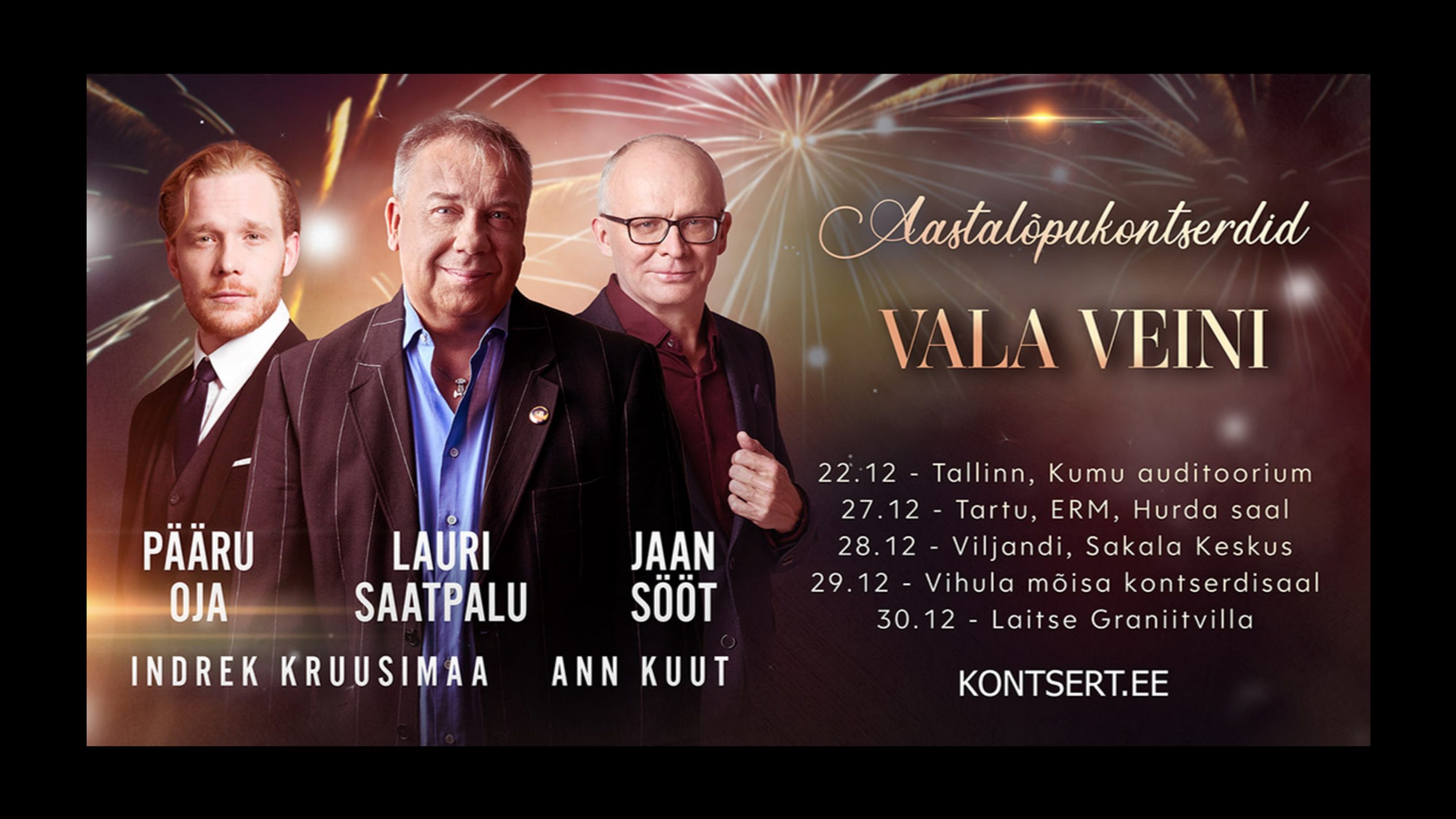
Lauri Saatpalu P Ru Oja Ja Jaan S T Vala Veini Kumu Vala Veini 1200x628 3840x2160 Scaled V Ikesed Vanalinnas Nagu Sevillas P RU OJA INDREK MediaP Ru Oja Valmistudes Sari Ei Pretendeeri 91c16840 Bceb 11eb B523 AASTA PARIMAD LOOD N Itleja P Ru Oja Ma Tahan Alati Ra Leppida E6bbe067 7e86 41c8 928a
K Laline Ivo Felt P Ru Oja Mehis Pihla 2026 02 15 09 05 Jupiter K Laline Ivo Felt P Ru Oja Mehis Pihla 2026 02 15 09 05 Jupiter SmartcropPiltm Istatus Milliseks Rolliks Valmistub P Ru Oja Sellel Fotol K Laline Ivo Felt P Ru Oja Mehis Pihla 2026 02 15 09 05 Jupiter Smartcrop
EESTI ESO 176 P Ru Oja N Itlemine Teatris Ja Filmis Viikingid P Ru Oja Kuidas Saab Kamp Plikatirtse Otsustada Mis Mahus Tohib Flamenco Htu Jos Serrano Maria R K Adrian Bravo Indrek Kruusimaa Cropped VGT Kuldne Taustata Flamenco Htu Jos Serrano Maria R K Adrian Bravo Indrek Kruusimaa Nimetu Kujundus 724x1024









:format(webp)/nginx/o/2025/01/28/16618516t1h3fad.jpg)




/nginx/o/2024/12/20/16555886t1h46e6.jpg)