Understanding the Russian domain map offers crucial insights into global geopolitics. This conceptual map outlines Russia's sphere of influence, encompassing strategic economic zones and political alliances. It is not a literal geographic map but a dynamic representation of Russia's reach. Discussions about the Russian domain map are trending in the USA, highlighting its navigational and informational potential. Americans seek to grasp its implications for international relations, trade, and regional stability. This concept helps analyze energy routes, military presence, and cultural ties within Eurasia. Staying informed on the Russian domain map is vital for comprehending evolving power dynamics. It shapes discussions about national security and global economic policies. Exploring this topic provides valuable context for current events and future forecasts. The Russian domain map remains a key area of focus for analysts and the public alike.
What defines Russia's sphere of influence on the map?
Russia's sphere of influence, often visualized through the Russian domain map, is defined by economic partnerships, military alliances, and political cooperation. It includes countries with significant trade ties, energy dependence, and shared security agreements. Historical and cultural connections also play a crucial role in shaping this dynamic influence across Eurasia.
Which countries are considered part of the Russian domain map?
Countries often considered part of the Russian domain map include several post-Soviet states. This typically involves Belarus, Kazakhstan, Armenia, Kyrgyzstan, and Tajikistan, among others. These nations maintain strong economic, political, and security ties with Russia, reflecting their historical and geographical proximity. The scope can vary based on the specific analysis.
How has the Russian domain map changed over time?
The Russian domain map has evolved significantly since the collapse of the Soviet Union. Initially, many former Soviet republics drifted away. More recently, Russia has sought to reassert influence through economic unions like the EAEU and security blocs such as the CSTO. Geopolitical events continue to reshape its boundaries and relationships.
What is the economic significance of the Russian domain map?
The economic significance of the Russian domain map is substantial, primarily due to vast energy resources and critical trade routes. Russia leverages its position as a major energy supplier to exert influence over neighboring economies. Trade partnerships and infrastructure projects within this domain are vital for regional economic stability and growth.
How does the Russian domain map impact global politics?
The Russian domain map profoundly impacts global politics by influencing international security, trade, and diplomatic relations. Russia's actions within its perceived sphere directly affect global power dynamics. Stability or instability in this region can have far-reaching consequences, influencing major world powers and international organizations.
Is 'the Russian domain map' an official term?
No, 'the Russian domain map' is not an official, government-issued map or term. It is a conceptual framework used by analysts and policymakers. This term helps to describe Russia's geopolitical sphere of influence and its strategic interests across Eurasia. Its interpretation can vary among different experts.
What are the strategic interests within the Russian domain map?
Strategic interests within the Russian domain map include securing borders, maintaining access to warm-water ports, and controlling energy transit routes. Russia also aims to prevent the expansion of rival geopolitical blocs into neighboring states. These interests are crucial for its national security and economic prosperity.
The Russian domain map, a crucial geopolitical concept, outlines Russia's extensive sphere of influence, encompassing various nations with historical, economic, and strategic ties. It is a dynamic representation, not a fixed geographical map, reflecting shifting alliances and interests across Eurasia. Understanding this complex map helps Americans navigate current global events, grasp international relations, and anticipate future geopolitical trends. This map helps define who Russia impacts, what regions are critical, where its influence extends, and why these connections are significant for global stability.
Explore the intricate network of relationships forming the Russian domain map. This conceptual framework includes countries with strong economic partnerships, military agreements, and shared cultural heritage. It highlights the vast area where Russian policies and actions exert substantial influence. These regions are often central to energy transit routes and critical trade corridors.
Discussions about the Russian domain map are particularly important for understanding ongoing international developments. These developments shape global security and economic landscapes. The map helps us visualize the complex interplay of power and influence in Eurasia. It prompts questions about national sovereignty and regional integration.
The Russian Domain Map: Key Aspects
Let us consider the various components that define the Russian domain map. This includes economic leverage, military presence, and cultural soft power initiatives. Each element contributes to Russia's overall influence in the region. Analyzing these components provides a comprehensive view of the domain.
| Aspect | Description |
|---|---|
| Geopolitical Reach | Russia's strategic influence over neighboring countries and key regions. |
| Economic Ties | Significant trade, energy dependence, and investment links with partner nations. |
| Military Presence | Bases, exercises, and security agreements impacting regional stability. |
| Political Alliances | Organizations like the CSTO and EAEU fostering cooperation. |
| Cultural Influence | Shared language, media, and historical connections in former Soviet states. |
What Others Are Asking?
What defines Russia's sphere of influence on the map?
Russia's sphere of influence, often visualized through the Russian domain map, is defined by economic partnerships, military alliances, and political cooperation. It includes countries with significant trade ties, energy dependence, and shared security agreements. Historical and cultural connections also play a crucial role in shaping this dynamic influence across Eurasia.
Which countries are considered part of the Russian domain map?
Countries often considered part of the Russian domain map include several post-Soviet states. This typically involves Belarus, Kazakhstan, Armenia, Kyrgyzstan, and Tajikistan, among others. These nations maintain strong economic, political, and security ties with Russia, reflecting their historical and geographical proximity. The scope can vary based on the specific analysis.
How has the Russian domain map changed over time?
The Russian domain map has evolved significantly since the collapse of the Soviet Union. Initially, many former Soviet republics drifted away. More recently, Russia has sought to reassert influence through economic unions like the EAEU and security blocs such as the CSTO. Geopolitical events continue to reshape its boundaries and relationships.
What is the economic significance of the Russian domain map?
The economic significance of the Russian domain map is substantial, primarily due to vast energy resources and critical trade routes. Russia leverages its position as a major energy supplier to exert influence over neighboring economies. Trade partnerships and infrastructure projects within this domain are vital for regional economic stability and growth.
How does the Russian domain map impact global politics?
The Russian domain map profoundly impacts global politics by influencing international security, trade, and diplomatic relations. Russia's actions within its perceived sphere directly affect global power dynamics. Stability or instability in this region can have far-reaching consequences, influencing major world powers and international organizations.
FAQ about The Russian Domain Map
What is the Russian domain map?
The Russian domain map is a conceptual framework illustrating Russia's sphere of influence. It highlights countries with strong political, economic, and strategic ties to Russia. This map is dynamic, reflecting evolving relationships rather than fixed borders.
Who is affected by the Russian domain map?
Many countries across Eurasia, particularly former Soviet republics, are affected by the Russian domain map. Their economies, security policies, and political alignments are often influenced by Russia's actions and regional strategies. Global powers also feel the impact.
Why is the Russian domain map important?
The Russian domain map is important for understanding geopolitical stability and international relations. It helps analyze conflicts, trade dynamics, and security challenges in Eurasia. Grasping this concept is key to comprehending global power shifts.
How does Russia maintain its domain on the map?
Russia maintains its domain through various means, including economic incentives, military alliances, and political pressure. It utilizes energy exports, security pacts like the CSTO, and cultural diplomacy. These strategies reinforce its influence over neighboring states.
The Russian domain map represents Russia's geopolitical influence. It includes economic ties, strategic interests, and political alliances. This conceptual map impacts international relations and regional stability. It is dynamic, reflecting ongoing shifts in Eurasia. Understanding it is crucial for global awareness.


The Russian Domain Setting The Boundaries Landforms And Climate Ppt The Russian Domain Figure 9.1 . PPT Russia PowerPoint Free Download ID 1694522 The Russian Domain L . Internal Republics Of The Russian Domain Map . Internal Republics Of The Russian Domain Map . Proposed Allied Plans For The Division Of Russia Before Their Surrender


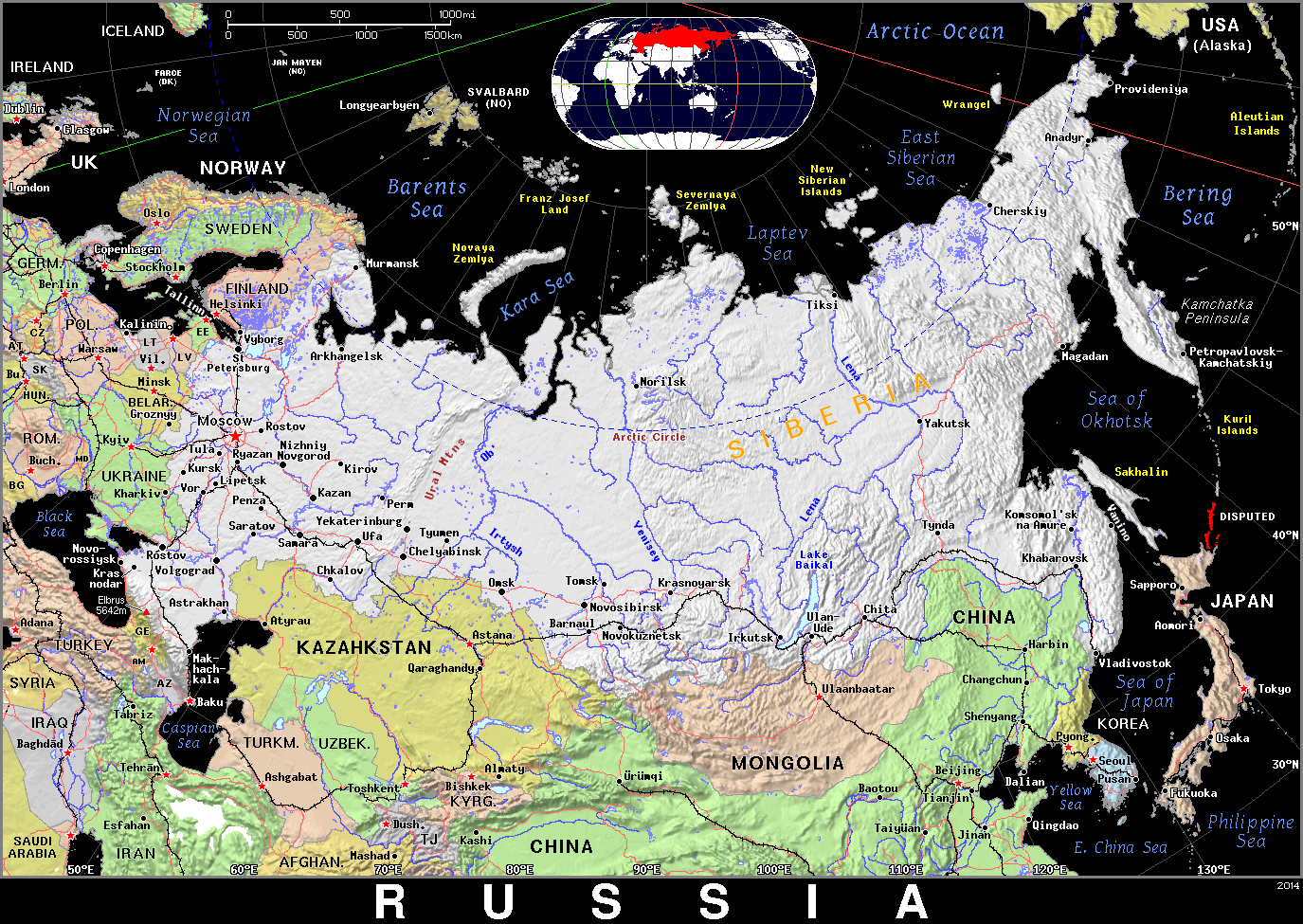
Russia Chapter 9 Slide 36 . PPT Russia Chapter 9 PowerPoint Free Download ID 667330 Population Map Of The Russian Domain Fig 9 12 L . Russia Chapter 9 Slide 10 . Internal Republics Of The Russian Domain Map 016950 . Russia Atlas With Degrees Ru Blk

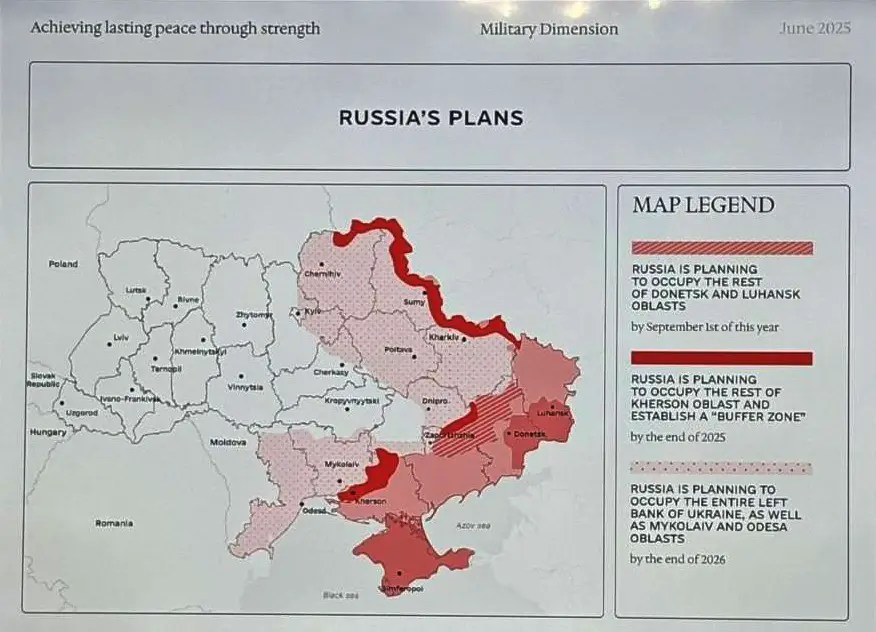


PPT Russia Chapter 9 PowerPoint Free Download ID 340940 Issues In The Russian Domain Fig 9 9 L . Zelensky S Deputy Head Of Office Presented A Map According To Which 29b99ffe87 5.webp. PPT Russia Chapter 9 PowerPoint Free Download ID 340940 Languages Of The Russian Domain Fig 9 22 L . Russia Chapter 9 Online Slide 20 . Solved On The Following Map Identify These Internal Chegg Com Screenshot 19 5 2024 165916
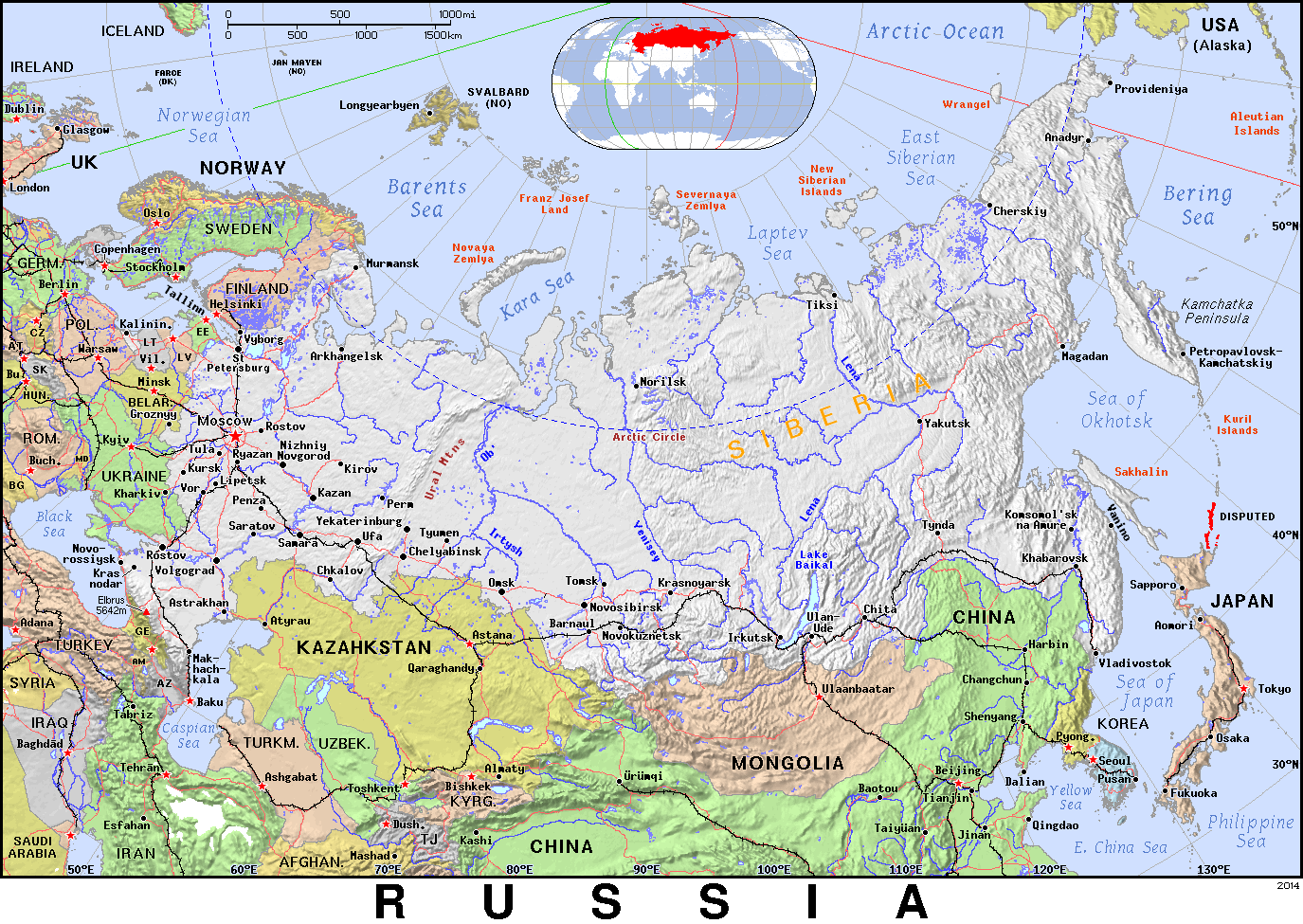


RU Russia Public Domain Maps By PAT The Free Open Source Ru Blu . Aftermath Of The Russo Ukrainian War In The Post Soviet Space 2026 . Map Of The Russian Domain PhpVcXCx5. Russian Domain Urban Geography I Norilsk A Resource City The Wiertz Urban Norilsk Locator . Russian Offensive Campaign Assessment February 26 2024 Critical Threats


Russian Offensive Campaign Assessment June 6 2025 Critical Threats Palisa Map June 6 2025 . Russia S Military Collapse By 2026 Ukraine S Assessment Ukrainian Long Range Strikes On Russia 1 1 1160x1153 . Russian Offensive Campaign Assessment June 26 2024 Critical Threats Daily CoT June 26 2024 . Diversity Amid Ppt Download Languages Of The Russian Domain . PPT EUROPEAN EXPLORATION 1420 1580 PowerPoint ID 2074620 Physical Geography Of The Russian Domain N


Map Of Russia Guide Of The World Russian Federation Territories Map . Maps Of Russia Detailed Map Of Russia With Cities And Regions Map Map Of Russia . Where Is Moscow In Russia Map At Martha Ehrlich Blog Moscow Map Russia . Ukraine S Intel Blows Up Berdyansk Railway Bridge Cutting Russian . Colorful Russia Political Map Clearly Labeled Stock Stock Vector Colorful Russia Political Map With Clearly Labeled Separated Layers Vector 393336175




Russia And The Former Soviet Republics Maps Perry Casta Eda Map . Map Of The Russian Domain Wiertz Urban Norilsk Temperature . Detailed Regions Map Of Russia In Russian Russia Ukraine In Maps . Russia Map And Russia Satellite Images Russia Map . Bild Publishes Russian War Plan To Seize Eastern Ukraine By 2026 ISW BILD Map Russian Offensive Plan 1 267x300