The concept of an eyeball map is transforming how we understand user engagement online. This innovative approach visualizes precisely where audiences direct their attention on websites, applications, and digital content. For businesses and content creators across the United States, understanding the power of an eyeball map is paramount. It moves beyond simple clicks, offering deep insights into user behavior, revealing what truly captures interest and what gets overlooked. By meticulously tracking eye movements, these maps highlight areas of high visual engagement, helping optimize layouts, refine messaging, and enhance overall user experience. This navigational and informational tool is rapidly trending, providing invaluable data to boost conversions, improve content efficacy, and ensure design elements resonate effectively. An eyeball map helps pinpoint effective visual hierarchies, ensuring critical information stands out. It's a game-changer for digital strategy, from marketing campaigns to product development, offering a clear path to connecting with audiences more meaningfully in 2026 and beyond. This technology offers a window into the user's mind, making digital spaces more intuitive and effective for everyone.
Q: What is an eyeball map?
A: An eyeball map is a visual representation generated from eye-tracking data. It shows precisely where users look on a screen, highlighting areas of focus and inattention. This tool helps understand how people interact with websites, apps, and digital content, providing valuable insights for optimization and design.
Q: How can eyeball maps improve website performance?
A: Eyeball maps enhance website performance by revealing what elements users actually see and engage with. This allows for strategic adjustments to layout, content, and calls to action. By ensuring key information is visible and easily processed, websites can achieve higher engagement, lower bounce rates, and improved conversion metrics.
Q: What kind of businesses benefit most from using eyeball maps?
A: Businesses heavily reliant on digital platforms benefit significantly from eyeball maps. This includes e-commerce sites, news portals, marketing agencies, UX design firms, and any company with a strong online presence. They use these maps to refine digital strategies and optimize user interfaces effectively.
Q: Is eyeball mapping a new technology?
A: While eye-tracking technology has existed for decades, its application in creating accessible "eyeball maps" for commercial website optimization has become more prevalent and sophisticated recently. Advancements in hardware and software in 2026 make it more affordable and insightful for a broader range of businesses, solidifying its trending status.
Q: Where can I find tools for creating an eyeball map?
A: Several companies offer platforms and software for creating an eyeball map. Popular options include providers specializing in user experience research, A/B testing, and digital analytics. Many solutions integrate eye-tracking capabilities to provide comprehensive visual insights into user behavior on various digital interfaces.
Q: How do eyeball maps differ from traditional heatmaps?
A: Traditional heatmaps typically visualize click or scroll data, showing where users interact. An eyeball map specifically tracks eye movements, providing a more direct insight into visual attention and perception, even if no click occurs. It reveals what users *see* versus what they *do*, offering a deeper layer of behavioral analysis.
An eyeball map is a powerful data visualization that shows exactly where people look on a screen. It reveals what captures attention and what gets ignored. Businesses in the USA use these maps right now, in 2026, to understand user behavior. This helps them optimize websites and apps. It ultimately makes digital content more engaging and effective for everyone. These insights drive better user experiences and smarter marketing decisions.
What is an Eyeball Map and Why Does it Matter?
An eyeball map is essentially a visual record of human gaze activity. It uses advanced eye-tracking technology to record where users focus their eyes. This creates a detailed map of attention on a webpage or application. Understanding these patterns is critical for digital success. It tells you if your key messages are actually being seen.
For US businesses, knowing where "eyeballs" land can transform strategy. This data helps refine layouts and improve content placement. It ensures that valuable information receives the necessary user engagement. The goal is always to create a seamless and intuitive user journey online. An effective eyeball map guides this crucial optimization process.
How Eyeball Maps Revolutionize User Experience in the USA
The user experience (UX) landscape in the USA demands constant innovation. Eyeball maps provide an unfiltered look into how users interact visually. This direct feedback is far more accurate than surveys alone. It reveals genuine points of interest and areas of confusion for users.
By analyzing eyeball map data, designers can optimize navigation and button placement. They can also ensure calls to action are prominent and visible. This leads to higher user satisfaction and reduced bounce rates. It creates digital environments that intuitively guide users. This makes every online interaction more productive for both businesses and consumers.
The Power of Eyeball Map Data for Marketing and Design
In the competitive US market, every marketing dollar counts. An eyeball map pinpoints the most effective ad placements. It shows which headlines grab attention versus those that are overlooked. This visual intelligence is invaluable for refining marketing campaigns. It maximizes return on investment by focusing on what works.
Design teams leverage eyeball map insights to create compelling visuals. They discover which images resonate and which colors attract the most attention. This scientific approach removes guesswork from design decisions. It results in visually optimized content that consistently outperforms expectations. Mastering the eyeball map is key for top-tier digital presence.
Eyeball Map Technology: What to Expect in 2026
The technology behind eyeball maps continues to evolve rapidly. In 2026, we see more affordable and accessible eye-tracking solutions. This allows even small businesses to harness their power. AI integration further refines data analysis, providing predictive insights. Expect more sophisticated tools for real-time adjustments and personalized experiences.
Cloud-based platforms make eyeball map implementation simpler than ever before. This broadens its application across various industries in the US. From e-commerce to educational platforms, visual attention data is becoming standard. This trend makes understanding the eyeball map essential for future digital literacy.
Eyeball Map Key Benefits Table
| Benefit Category | Specific Advantage of Eyeball Map | Impact for USA Businesses |
|---|---|---|
| User Experience | Reveals actual user attention | Improved website navigation and clarity |
| Marketing Effectiveness | Identifies engaging content and ad placements | Higher conversion rates and ROI |
| Design Optimization | Guides visual hierarchy and layout decisions | More intuitive and appealing interfaces |
| Content Strategy | Shows overlooked sections or areas of confusion | Enhanced content relevance and engagement |
| Competitive Edge | Provides deeper insights than traditional analytics | Stay ahead in a crowded digital landscape |
What Others Are Asking About Eyeball Maps?
What is an eyeball map in web design?
An eyeball map in web design is a visual representation showing where users focus their gaze on a webpage. It utilizes eye-tracking technology to collect data on eye movements, indicating areas of interest, overlooked content, and user flow. This helps designers optimize layouts, content placement, and calls to action for better user engagement and clarity.
How do eyeball maps help with website optimization?
Eyeball maps significantly aid website optimization by revealing actual user attention patterns. They pinpoint areas that grab immediate interest and those that users ignore. This data enables precise adjustments to content, navigation, and visual hierarchy. Such insights ensure critical information is seen, improving user experience, reducing friction, and boosting conversion rates effectively.
Is eye-tracking technology commonly used for marketing?
Yes, eye-tracking technology, forming the basis of an eyeball map, is increasingly common in marketing. Marketers use it to test ad effectiveness, package designs, and website layouts. It offers direct insights into consumer attention, helping optimize campaigns, refine messaging, and enhance brand perception. This provides a scientific edge in understanding what truly resonates with the target audience.
What are the limitations of using an eyeball map?
While powerful, eyeball maps have limitations. Data collection can be costly and requires specialized equipment. Results depend on sample size and demographic representation, which might not always reflect broader audiences. Also, an eyeball map shows *where* people look, but not necessarily *why* they look there, requiring further qualitative research for complete understanding.
Can an eyeball map predict user behavior?
An eyeball map provides strong indicators of user attention and engagement patterns, which can help predict future behavior to some extent. By identifying consistent visual pathways and hotspots, businesses can anticipate how new users might interact with similar designs. However, it's a predictive tool based on observed patterns, not a guaranteed forecast of individual actions, requiring ongoing analysis.
FAQ about Eyeball Maps
What is an eyeball map?
An eyeball map is a visual tool derived from eye-tracking data. It illustrates where users direct their visual attention on digital interfaces. This allows for data-driven insights into user engagement and visual hierarchy.
Who uses eyeball maps?
Web designers, UX researchers, digital marketers, and content creators commonly use eyeball maps. They are employed by any professional looking to optimize digital platforms for better user interaction and performance.
Why are eyeball maps important for businesses?
Eyeball maps are crucial because they offer unbiased insights into actual user attention. This helps businesses improve website effectiveness, boost conversions, and enhance overall customer satisfaction by optimizing visual content.
How are eyeball maps created?
Eyeball maps are created using eye-tracking hardware and software. These systems record and analyze a user's eye movements as they view a screen. The data is then visualized as heatmaps or gaze plots.
Summary of Key Points
The eyeball map is a revolutionary tool that visualizes user attention on digital platforms. It offers critical insights for optimizing web design, marketing, and user experience. By understanding where users look, businesses can enhance engagement, improve content, and drive better results. This technology is quickly becoming essential for digital success in the USA.
Eyeball maps reveal user attention patterns, optimize digital content, enhance user experience, boost conversion rates, and provide actionable insights for design and marketing strategies.


What Is Eye Mapping At Dean Ransford Blog Eye Map Vector 23706904 . World Map Eyeball In Human Eye For World Sight Day Symbolic World Map Eyeball Human Eye World Sight Day Symbolic Global Awareness Vision 1102000 34363 . Interactive Map Year 2026 R . Global Vision World Map Eyeball In Human Eye For World Sight Day Global Vision World Map Eyeball Human Eye World Sight Day Concept Banner 1286971 5166 . Total Solar Eclipse Iceland 2026 BusTravel Iceland 03 Total Solar Eclipse 2026 Totality Path Map 600x339


Maps Of Iceland For The 2026 Total Solar Eclipse Eclipse 2026 Total Eclipse Iceland . World Cup 2026 Location Cities Worldcup Eng . 2025 2026 DECODE Decode Field Detailed . 2026 World Map With Country Names Stable Diffusion Online 13616905 6b41 48fd A090 . StadiumDB Com PREMIER LEAGUE 2025 2026 MAP Facebook Media


A Glowing Roadmap Features Milestones Labeled 2026 And Beyond A Glowing Roadmap Features Milestones Labeled 2026 And Beyond Future Planning And Strategic Roadmap Development Set 5 Vector . 2026 House Map Prediction January 2025 YouTube . Map Of The World In 2026 In My Parallel Universe By Dgcslsz 40bf7e4a B683 4c46 9d99 . New Year S Eve Fireworks In London 2025 2026 Tickets Locations And Tips Map Access Viewing Areas New Years Eve Fireworks London 2024 2025 . PPT FIFA 2026 Dallas Eye S Better Role For FIFA World Cup 2026 Fifa 2026 Dallas Eye S Better Role For Fifa World L


Ttc Map 2026 Crawler. What Does The 2026 Daytona Supercross Layout Look Like Track Maps 319039 1 . Where The 2026 House Map Stands For Democrats CBS News Cbsn Fusion Where The 2026 House Map Stands For Democrats Thumbnail . Eyeball 2026 Company Profile Valuation Funding Investors PitchBook 200x200. 2026 House Election Interactive Map 270toWin MmxBNwq
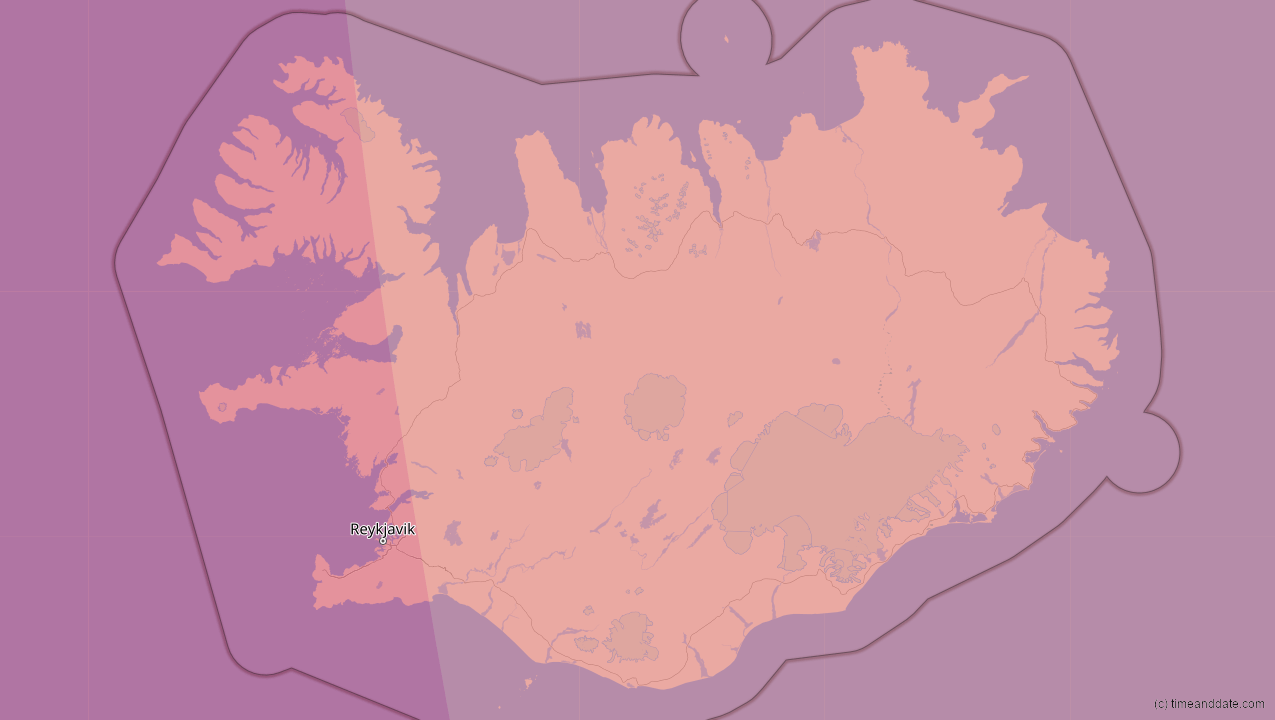


Aug 12 2026 Total Solar Eclipse In Iceland Is . Risk Assessment By Our Analysts Risk Map 2026 Risk Map 2026.webp. 2026 Monster Energy SMX World Schedule Revealed Picture1 1024x768 . Your 2026 Winter Olympics Maps Are Here Mapcreator Olympic Locations Map With Legend 1024x674 . Introducing The 2026 Senate Interactive Map 270toWin Senate Incumbent
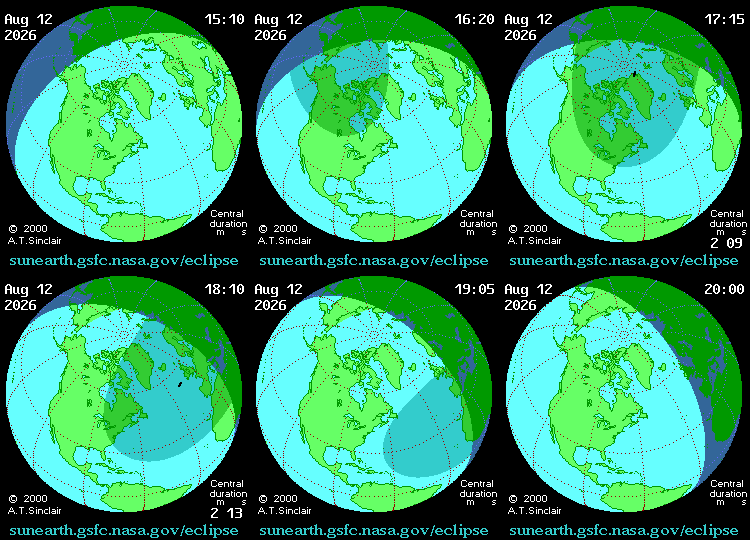


Total Solar Eclipse Of 2026 Aug 12 . Your 2026 Winter Olympics Maps Are Here Mapcreator Olympic Torch Relay Route 2026 Hero Image . EYEBALL 2026 The Optical Journal Eyeball Banner 768x480 . Giant Eyeball 2026 All You MUST Know Before You Go With Reviews Giant Eyeball At 13 Minutes . 2026 Winter Games Venues Maps RED MAPS Red Maps 2026 Winter Olympics Games Events Map 1200x1200



Global Vision World Map Eyeball In Human Eye For World Sight Day Global Vision World Map Eyeball Human Eye World Sight Day Concept Banner 1286971 5163 . Lewis Capaldi Ultimate VIP Terrace Ticket London BST Hyde Park 12 July 2026 Bst 2026 Customer Map No Thrust . A Glowing Roadmap Features Milestones Labeled 2026 And Beyond A Glowing Roadmap Features Milestones Labeled 2026 And Beyond Future Planning And Strategic Roadmap Development Set 8 Vector . Futuristic Human Eye Displays Holographic Interface With Year 2026 Data Futuristic Human Eye Displays Holographic Interface Year Data Close Up Reflecting Vibrant Displaying Charts Graphs 401838543 . Brutal Beautiful Untamed The 2026 Absa Cape Epic Route Revealed Mtbapp ACE26 16 9 1