Are you grappling with a gaming rig that seems to possess a mind of its own, delivering wildly unpredictable performance? Many gamers jokingly ask, 'How can I get schizophrenia' in my PC, referring to erratic FPS drops, persistent stuttering, and maddening lag spikes that plague their gameplay experience. This comprehensive guide, updated for 2026, dives deep into diagnosing and eradicating these 'schizophrenic' performance issues. We will explore cutting-edge optimization techniques, essential driver updates, and hardware tweaks to ensure your system runs smoothly. Our expert advice covers everything from basic settings optimization to advanced troubleshooting, providing actionable steps to achieve a stable, high-performance gaming environment across all your favorite titles. Prepare to transform your erratic gameplay into a consistently enjoyable experience.
Ever felt like asking, 'How can I get schizophrenia' in my gaming rig, experiencing totally wild, unpredictable performance spikes and frustrating crashes? You are not alone in this digital dilemma. Many passionate gamers metaphorically describe their PC’s erratic behavior as 'schizophrenic performance,' where frame rates plummet without warning, stuttering makes aiming impossible, and lag transforms competitive matches into infuriating slideshows. It is a frustrating reality that can completely ruin an otherwise enjoyable gaming session, making you question your hardware investments and software configurations. But fear not, fellow gamer; understanding and rectifying these issues is entirely within your grasp. This guide will walk you through the essential steps to bring stability back to your gaming world, banishing those 'schizophrenic' moments for good.
Understanding the Roots of Erratic Gaming Performance in 2026
Why does your powerful gaming machine sometimes behave like a possessed toaster? The causes of these 'schizophrenic' performance issues are often multifaceted, blending software conflicts with hardware limitations. In 2026, with games pushing graphical boundaries and requiring intricate system interactions, even minor misconfigurations can lead to significant instability. Pinpointing the exact culprits is the first crucial step towards achieving a consistently smooth gaming experience across all titles, from demanding Battle Royale games to immersive RPGs and fast-paced FPS action.
Common Culprits Behind Your PC's Unpredictable Behavior
- Outdated or Corrupt Drivers: Graphics card, chipset, and network drivers are your system's interpreters. If they are old or damaged, communication breaks down, leading to severe FPS drops and stuttering. Ensuring these are always up-to-date is non-negotiable for stable performance.
- Suboptimal In-Game Settings: Pushing graphical settings too high for your hardware can overwhelm your GPU, causing constant frame rate fluctuations. Finding the sweet spot between visual fidelity and performance is key for a balanced experience, especially in competitive titles.
- Background Processes and Software Conflicts: Resource-intensive applications running in the background can steal precious CPU and RAM cycles from your game. Antivirus scans, browser tabs, and even other game launchers can contribute to unexpected lag and poor performance.
- Overheating Components: A hot CPU or GPU will automatically throttle its performance to prevent damage. This thermal throttling manifests as sudden and severe FPS drops, making your game feel choppy and unresponsive. Proper cooling is paramount for sustained high performance.
- Network Congestion and High Ping: For online games, a stable internet connection is vital. High ping, packet loss, or network congestion can cause debilitating lag, making your character warp around and actions feel delayed. This is particularly critical for MOBA and MMO players.
Optimizing Your Rig: A Guide to Stability and Speed
Now that we have identified the common enemies of smooth gameplay, let's arm ourselves with solutions. Optimizing your gaming rig involves a combination of hardware maintenance and software fine-tuning. Think of it as giving your PC a comprehensive wellness check-up, ensuring every component and every line of code is working in perfect harmony. This methodical approach will help you systematically eliminate those frustrating 'schizophrenic' performance issues, securing a consistently excellent gaming experience.
Practical Steps for a Stable 2026 Gaming Experience
- Driver Overhaul: Always install the latest WHQL-certified drivers directly from your GPU manufacturer (NVIDIA, AMD, Intel). Use DDU (Display Driver Uninstaller) for a clean uninstall before updating to avoid conflicts. Do not forget chipset and network drivers from your motherboard manufacturer for a full system refresh.
- In-Game Settings Mastery: Experiment with graphical settings. Start with lower presets and gradually increase them, monitoring your FPS with tools like MSI Afterburner. Focus on settings like texture quality, shadow detail, and anti-aliasing, as they often have the biggest performance impact.
- Background Task Management: Use Task Manager (Ctrl+Shift+Esc) to identify and close unnecessary background applications before launching a game. Consider setting your game to 'High Performance' mode in Windows graphics settings and disabling unnecessary startup programs to free up system resources effectively.
- Cooling System Check-Up: Regularly clean your PC's fans and heatsinks to ensure optimal airflow. Monitor temperatures with software like HWMonitor. Consider upgrading your CPU cooler or case fans if temperatures remain consistently high during gaming sessions, as this directly impacts stability.
- Network Diagnostics: Use a wired Ethernet connection instead of Wi-Fi for online gaming whenever possible. Run speed tests to check your internet connection stability. Prioritize game traffic through your router's QoS (Quality of Service) settings to reduce lag and maintain a low ping.
By diligently applying these optimization strategies, you will be well on your way to transforming your 'schizophrenic' gaming rig into a reliable, high-performance machine. Remember, consistent maintenance is key to long-term stability.
Advanced Strategies for Pro Gamers in 2026
For those seeking to push their systems to the absolute limit and maintain peak performance in every scenario, a few advanced tactics can make a significant difference. These strategies often involve deeper system tweaks and hardware considerations that go beyond basic optimization. Pro players and enthusiasts understand that every millisecond and every frame counts, especially in competitive ranked play where the stakes are high. Implementing these tips can help you gain that crucial edge, ensuring your system never holds you back.
Deep Dive: Unlocking Your System's Full Potential
- BIOS/UEFI Optimization: Access your motherboard's BIOS/UEFI to enable XMP/DOCP for your RAM, ensuring it runs at its advertised speeds. Disable any unnecessary onboard peripherals to reduce system overhead. Update your BIOS if stable, as newer versions often include performance improvements and better hardware compatibility for modern titles.
- OS-Level Tweaks: Utilize Windows Game Mode for system-wide gaming optimization. Consider disabling visual effects and notifications that consume resources. For extreme optimization, explore custom Windows debloating scripts (with caution and backups) to remove non-essential services for maximum performance gains.
- Overclocking (CPU/GPU/RAM): If you are comfortable, carefully overclocking your CPU, GPU, and RAM can provide substantial performance boosts. Always research safe voltage limits and temperatures for your specific hardware. Use reliable tools like MSI Afterburner for GPU and Intel XTU or AMD Ryzen Master for CPU.
- NVMe SSD Optimization: Ensure your games are installed on fast NVMe SSDs for quick loading times and smoother asset streaming, especially crucial in open-world RPGs and Battle Royale games. Regularly check your drive health and ensure sufficient free space for optimal performance.
- Power Management Configuration: Set your Windows power plan to 'High Performance' and ensure your GPU's power management mode is set to 'Prefer Maximum Performance' in its control panel. This ensures your components always receive adequate power, preventing throttling under load, which is critical for demanding gaming sessions.
Quick 2026 Human-Friendly Cheat-Sheet for This Topic
- Always update your GPU drivers first; they are crucial for smooth gameplay.
- Clean your PC regularly; dust is a silent performance killer.
- Close background apps before gaming; free up RAM and CPU for your game.
- Monitor your temperatures; overheating causes major FPS drops.
- Use a wired internet connection for online games to reduce lag significantly.
- Experiment with in-game settings; balance visuals with performance for your rig.
- Don't be afraid to factory reset drivers with DDU for a clean slate.
Identifying erratic FPS drops, fixing stuttering, reducing ping and lag, optimizing gaming settings, updating essential drivers, understanding hardware impact on performance, improving overall system stability for gaming, advanced troubleshooting for PC gaming issues.
Educational Resources National Education Spectrum And Types 5193053 FINAL Psychiatric Therapy For At Francisco Donnelly Blog
Top 20 Publicly Traded Medical Device Companies By Market Cap In 2025 World Awareness Day 2025 Infographic Genially 681a865b 3bbf 4696 Ae30 Society Of Alberta SSA 2024 Online Auction Website Banner Graphic (1370 X 650 Px) (3) MEDizzy 83d04fab Cd9f 4316 904f
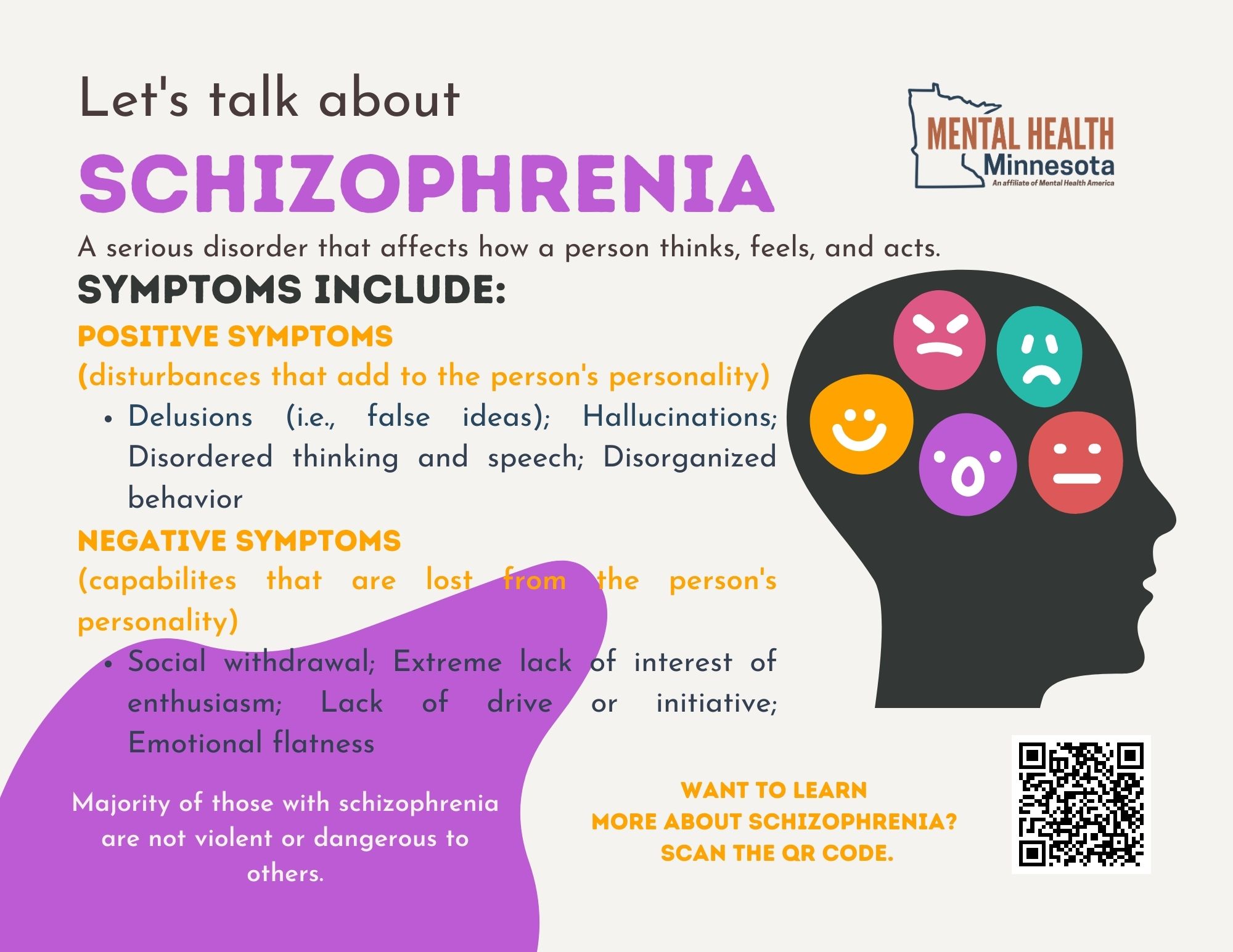
Learning About Mental Health Minnesota Flyer What Is Causes And Symptoms The Amino Company Infographic Schizo Causes Risks Triggers Treatment Copy Of Symptoms Infographic 768x768 87 Statistics Facts Above And Beyond Therapy The Global Impact Of 01.webp
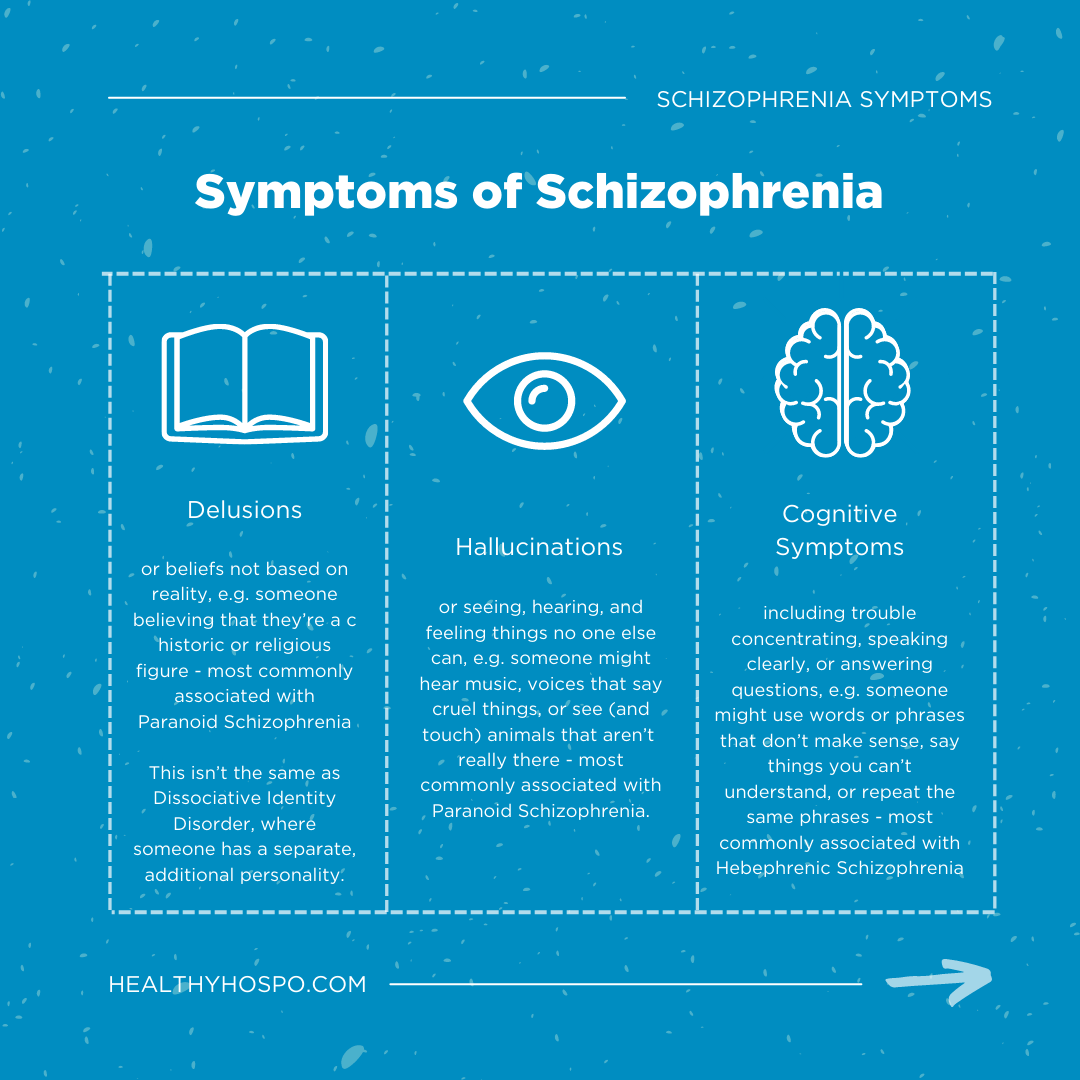
All Of The Following Are Symptoms Of Except Eh Types Of Symptoms 1080x1080 Symptoms Causes Type And Treatment What Is 1024x576 Onset Connecting Psychiatry Signs And Symptoms Health Schizo BLUE Horiz
Do I Have Gaba Online What IsEducational Material National Education Early Signs 5101519 Final What Is The Shocking Truth About This Mental Disorder 2026 What Is 702x368 Symptoms Mood And Behavior Effects Sign Symptoms 5095511 Final
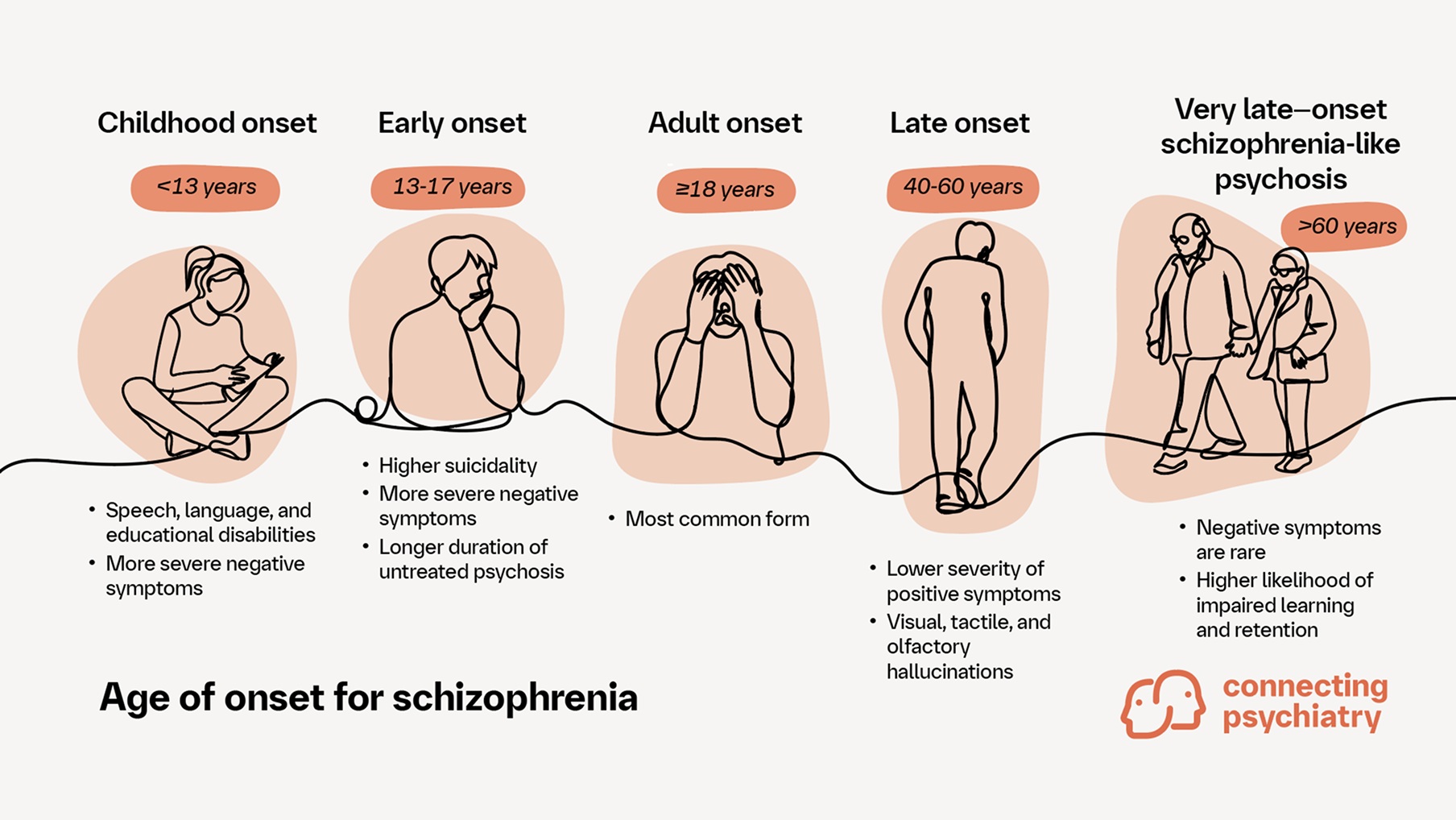
How Is Diagnosed Eh How Is Atopic Dermatitis Diagnosed Seo Graphics Gs08951963 6dcf 43be 8314 How To Get Diagnosed With 6b94d1 What Age Does Start Age Of Onset 5194845 DD Final Facts About Rural Minds Screenshot 2024 01 16 At 12.53.53 PM
A Guide For Patients And Families Symptoms Causes Type And Treatment Symptoms Of 1 1024x576 Coping With How To Help Someone With Statistics For Patients In The USA 768x1256 Diagnosis Gaba Online How To Confirm Diagnosis Of
Brain Scans Changes And Early Signs Brain 5193049 Final How To Get Rid Of Does Get Worse With Age My Pic 2 Paranoid People 4568 1
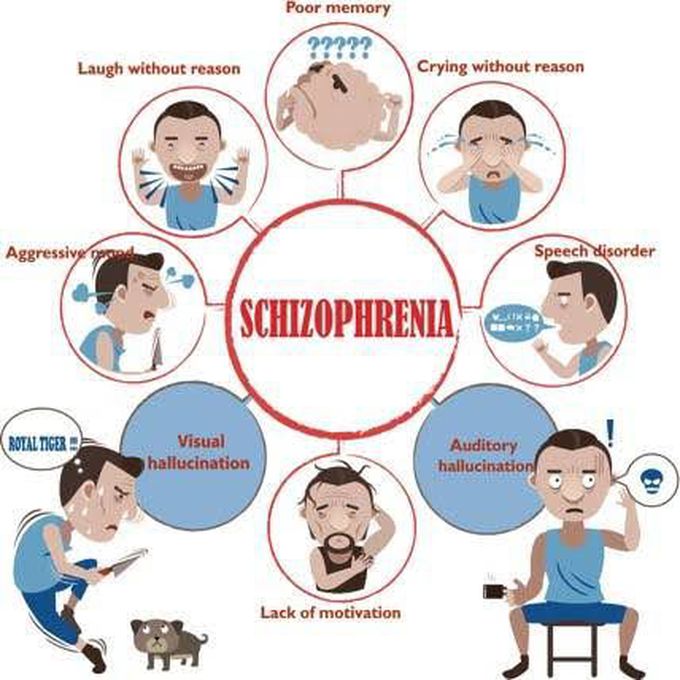
All Of The Following Are Symptoms Of Except Definition And Symptoms Awareness For Hospitality Beyond A Rising Issue In Teens CareerGuide CareerGuide What Are The Symptoms Of 2953120 Psychosis Vs How They Differ Eh How Psychosis And Differ Seo Graphics
:max_bytes(150000):strip_icc()/what-are-the-symptoms-of-schizophrenia-2953120-cba74c5e1dd942ecafde1824217603f9.png)
:max_bytes(150000):strip_icc()/schizophrenia-spectrum-and-types-5193053-FINAL-ff64839e31a64ca293f12f168d488302.jpg)




:max_bytes(150000):strip_icc()/schizophrenia-sign-symptoms-5095511_final-57a52853a10c4edcb4bd6a3b31f041ea.jpg)








:max_bytes(150000):strip_icc()/Health-Schizo-BLUE-horiz-aa2fec20cc164683913d92293f4c9540.jpg)

+(3).png)
