Understanding US map expansion is truly fascinating. It involves a rich history of land acquisitions, treaties, and statehood processes shaping the nation we know today. From the original thirteen colonies, the United States has steadily grown, adding vast territories through significant historical events. This process of expansion has profoundly influenced American culture, economy, and geopolitical standing. Many people often wonder about the specific milestones that led to the current continental and non-continental map. We will explore key historical periods, the methods used for acquiring new lands, and even touch upon contemporary discussions surrounding US territories. It's an evolving narrative, full of intriguing details and long-lasting impacts that continue to shape our national identity. You'll find answers to common questions about how the US map grew over centuries, offering a comprehensive look at this vital aspect of American history.
Ever wondered how the United States map got so incredibly big? Many folks ask about the details of how the US expanded across North America and beyond. It's a truly wild journey, honestly, filled with some pretty dramatic moments and huge decisions.
We’re talking about everything from colonial beginnings to massive land purchases. So, let's dive into the juicy bits of how the US map became what it is today. You'll definitely want to stick around for all the historical tea on this one.
The Early Days Forming the Original Map
So, back in the day, the US started as just thirteen colonies huddled on the East Coast. After gaining independence, the new nation faced immense possibilities and challenges. The desire for more land was pretty strong right from the very beginning, if you think about it.
This initial period laid the groundwork for future expansions. It really set the tone for how the country would view its geographical destiny. People were looking westward, seeing vast untapped potential. This early vision guided many subsequent national policies. They really wanted to secure a strong foothold on the continent.
Key Initial Acquisitions Shaping Borders
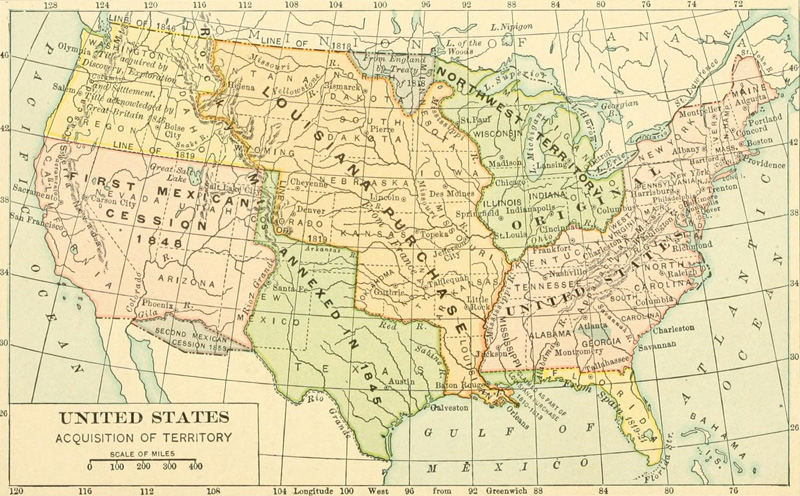
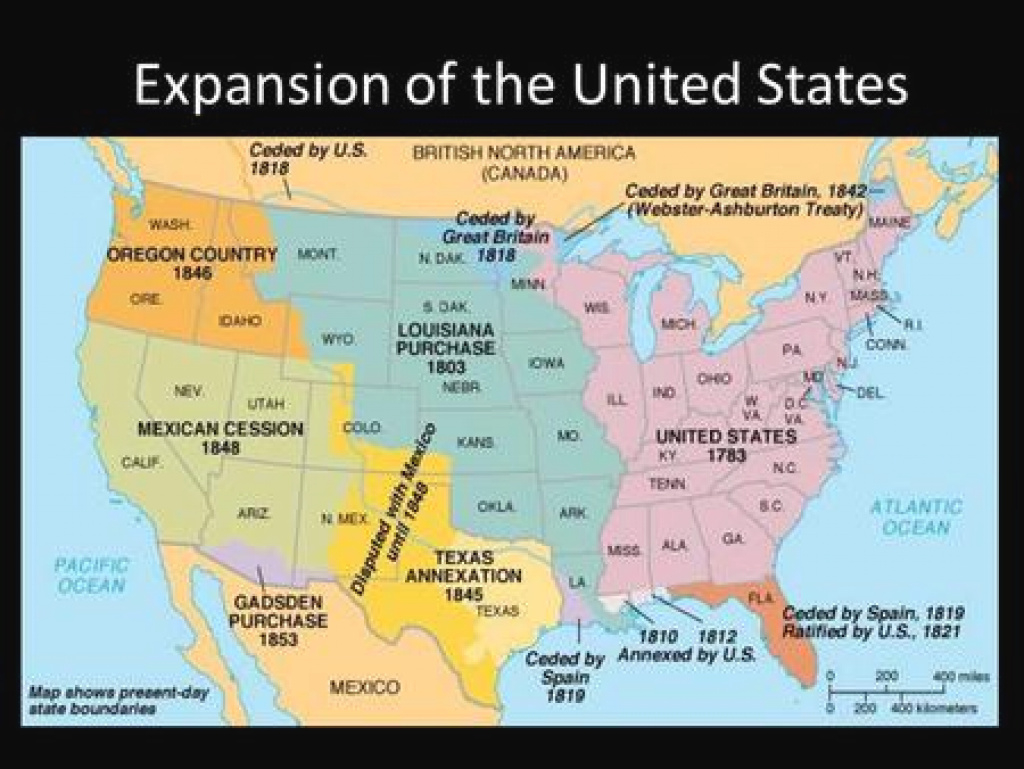
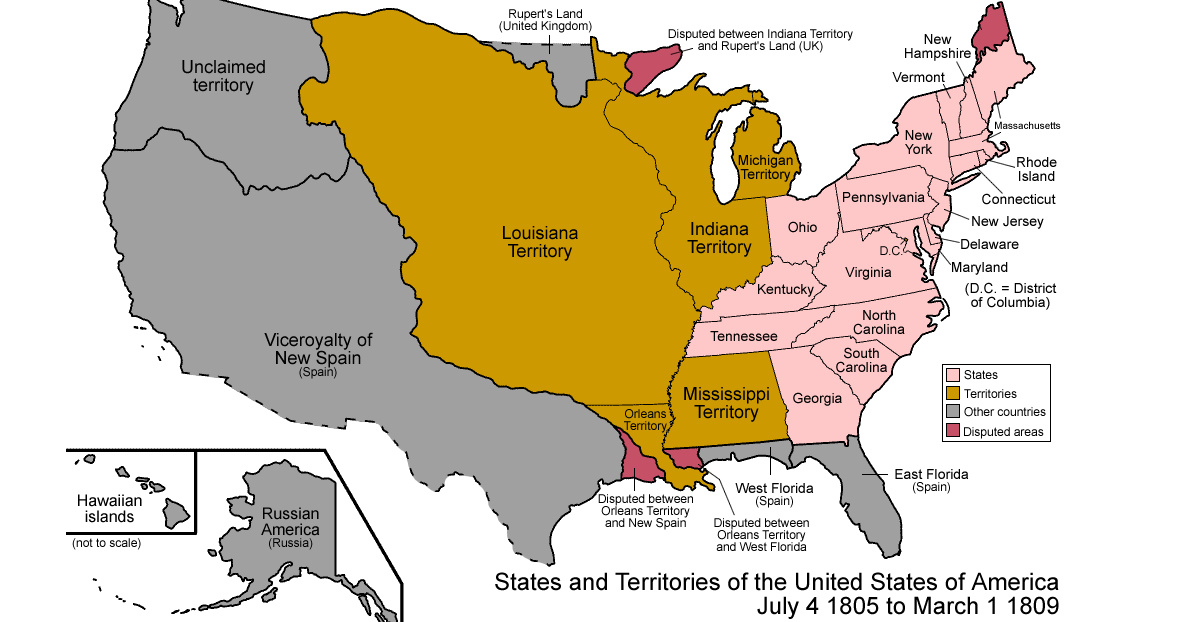
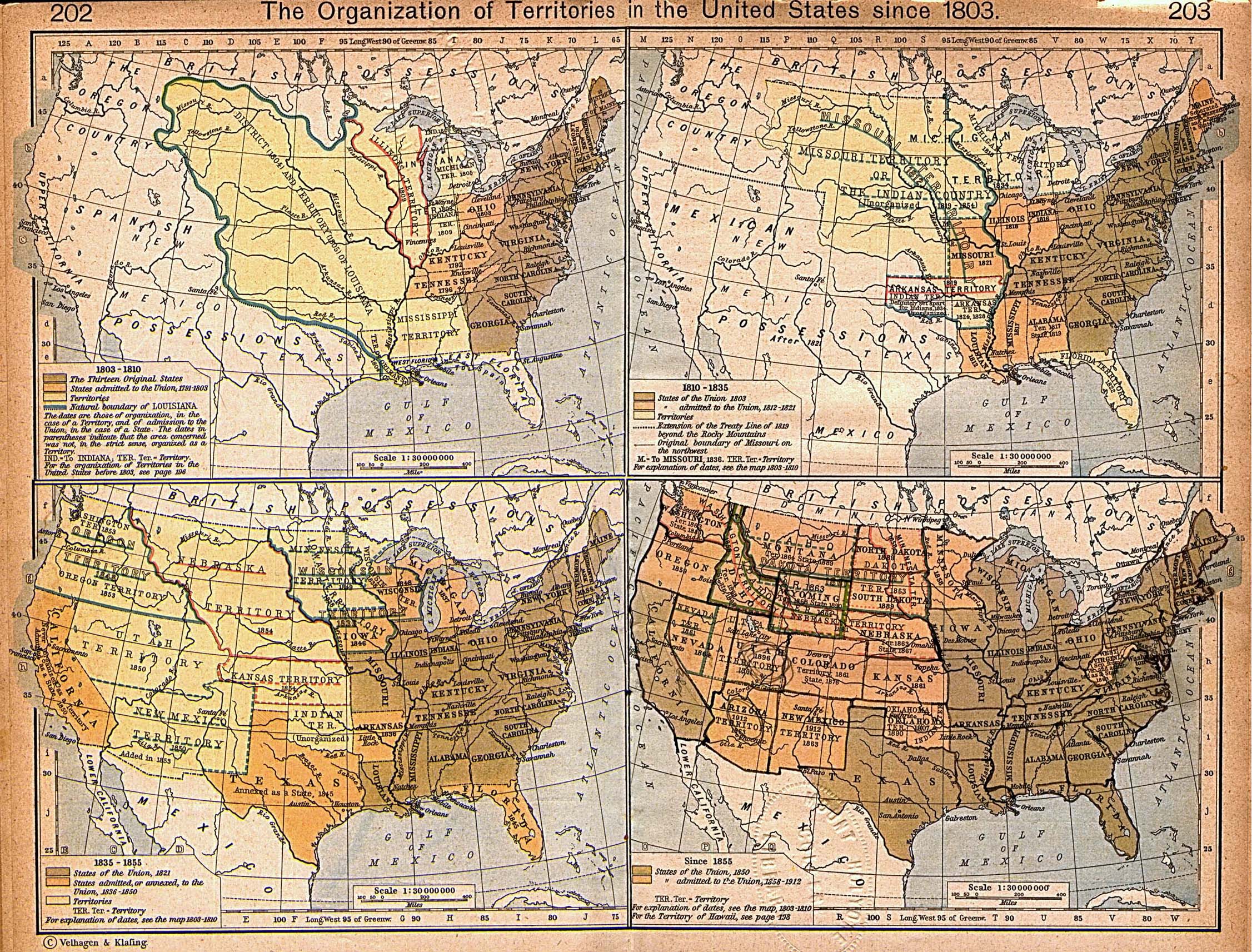
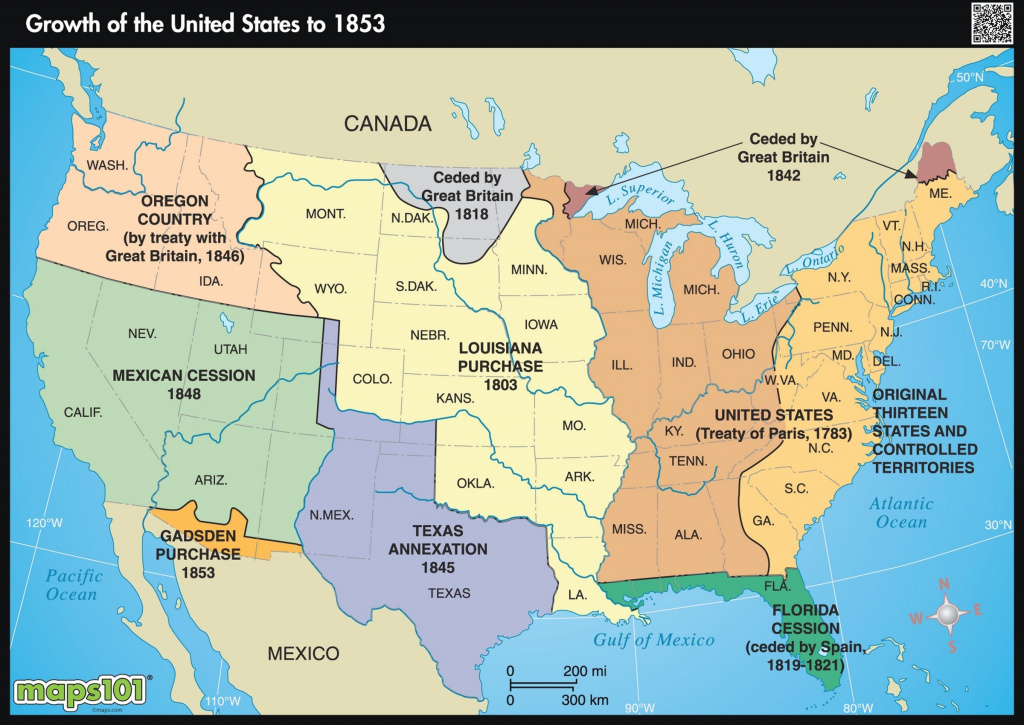
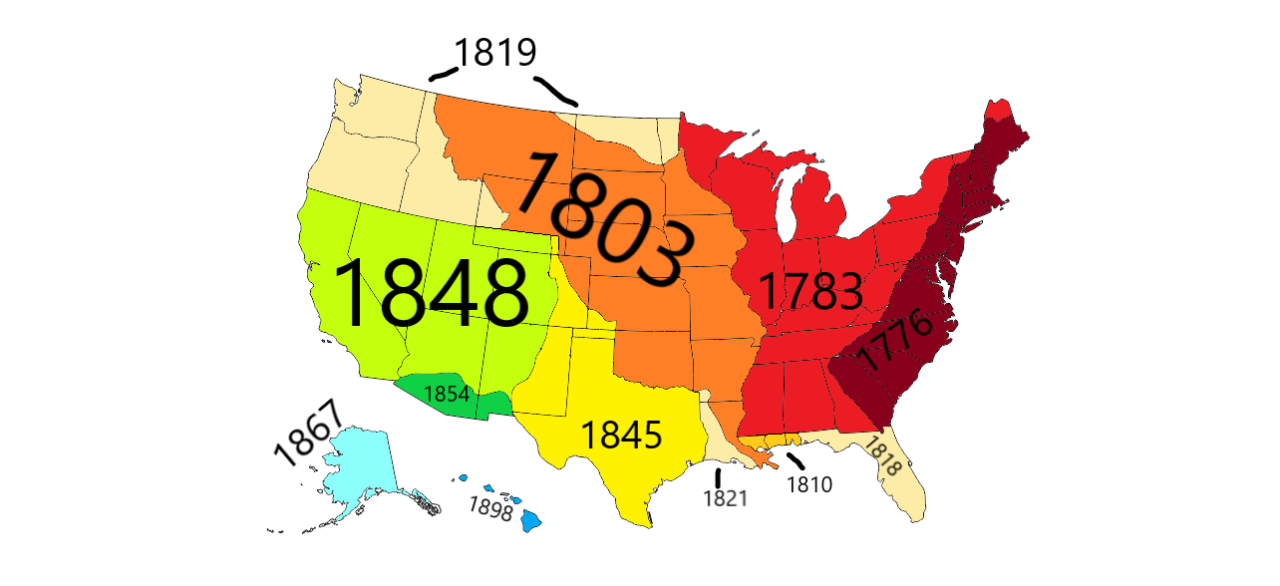
Treaty of Paris (1783): This crucial treaty officially ended the Revolutionary War, establishing the initial boundaries for the fledgling United States. It granted the new nation significant territory extending to the Mississippi River. This was a massive win for the young country.
Northwest Ordinance (1787): This wasn't a land acquisition, but it was super important for organizing new territories. It provided a clear pathway for these lands to eventually become states. This really shaped the future structure of the nation, providing a fair process.
Massive Land Deals and Continental Expansion
Honestly, when you look at how much land the US acquired in such a short time, it's pretty mind-boggling. These weren't just small border adjustments; we're talking about entire regions changing hands. It profoundly altered the country's size and global standing.
These significant land deals truly defined the concept of Manifest Destiny. The government actively pursued opportunities to expand its borders, securing vital resources and strategic locations. It was a period of intense growth and transformation for the entire nation. This drive shaped the future for generations.
The Louisiana Purchase A Game Changer
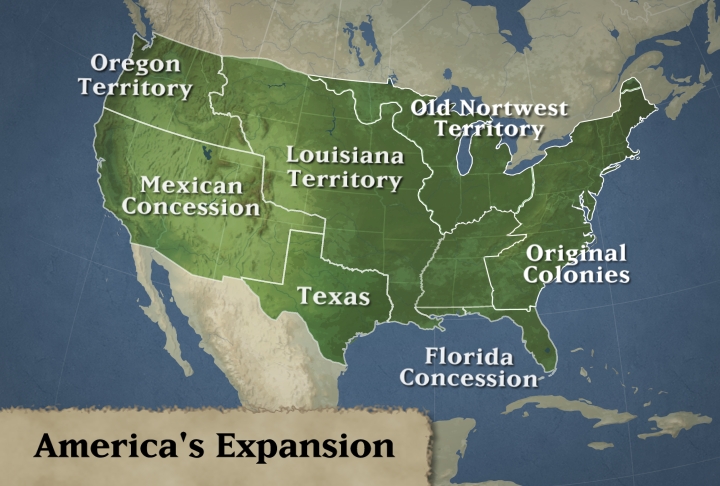
The Louisiana Purchase in 1803 was a monumental moment, for real. The United States bought about 828,000 square miles of territory from France for roughly 15 million dollars. That's an insane amount of land for what now seems like a bargain price.
This doubled the size of the young country overnight, opening up vast new areas for exploration and settlement. It dramatically expanded the western frontier, paving the way for future states and huge economic development. I mean, can you imagine pulling off a deal like that today?
Other Significant Additions to the Map
Florida Purchase (1819): The US acquired Florida from Spain through the Adams-Onís Treaty. This resolved ongoing border disputes and secured vital access to the Gulf of Mexico. It was an important strategic move for the growing nation, consolidating its southern borders.
Texas Annexation (1845): After a period as an independent republic, Texas was annexed by the United States. This addition sparked controversy and led directly to the Mexican-American War. It significantly increased the country's southwestern territory.
Oregon Treaty (1846): This treaty with Great Britain established the US northern boundary in the Pacific Northwest. It secured American control over the Oregon Territory, avoiding potential conflict. This expansion opened up fertile lands and Pacific trade routes.
Mexican Cession (1848): Following the Mexican-American War, the US gained huge tracts of land, including California, Nevada, and Utah. This massive acquisition solidified the US presence across the continent. It also brought immense natural resources and new populations.
Gadsden Purchase (1854): This smaller but important purchase from Mexico secured land for a transcontinental railroad route. It finalized the continental borders of the contiguous United States. This acquisition was crucial for future infrastructure development.
Beyond the Continent Alaska and Hawaii
But wait, the expansion didn't stop at the continental US borders, you know. The nation also looked beyond its immediate landmass, acquiring significant non-contiguous territories. These additions were pretty different from the earlier land grabs, often involving unique political circumstances.
These expansions showcased a new phase of American ambition, extending its influence across oceans. They brought diverse cultures and strategic advantages into the fold. It really changed the perception of what the 'United States' could encompass. It was a fascinating shift in national strategy.
Adding the Last Two States
Alaska Purchase (1867): The US bought Alaska from Russia for 7.2 million dollars, which many initially called "Seward's Folly." Turns out, it was an absolute steal, rich in natural resources and strategic importance. It's now the largest state by area, proving critics wrong.
Hawaii Annexation (1898): After a complex political history involving American businessmen, the US annexed the Hawaiian Islands. Hawaii later became the 50th state in 1959. This addition provided a crucial strategic outpost in the Pacific Ocean.
Current US Territories What About Them
So, beyond the 50 states, the US also has several overseas territories. People often ask, "Are these territories part of the US?" and "Could they become states?" It's a super interesting and sometimes complex legal situation, tbh.
These territories, like Puerto Rico and Guam, have unique relationships with the federal government. Their residents are US citizens, but often lack full voting representation in Congress. The debate about their future, including potential statehood, is ongoing and a really big deal for them. It’s definitely a hot topic.
Key US Territories Today
Puerto Rico: A large island territory in the Caribbean with a population larger than many US states. It has a complex history and ongoing discussions about statehood or independence. Its status remains a significant point of national debate and conversation.
Guam: A strategically important island in the Western Pacific, serving as a key military outpost. Its residents are US citizens, and they also have varying degrees of self-governance. The island plays a vital role in regional security efforts.
US Virgin Islands: Another Caribbean territory known for its tourism and unique culture. These islands also have a form of self-governance. They contribute to the diverse tapestry of American influence across the globe.
American Samoa: A group of islands in the South Pacific with unique cultural traditions. Its residents are US nationals but not citizens, though they can become citizens. It maintains a distinct identity and relationship with the US.
Northern Mariana Islands: A commonwealth in the Western Pacific, comprising 15 islands. These islands have their own government and a specific relationship with the US. They are another important part of the broader American map. Does that make sense?
Historical land acquisitions, Louisiana Purchase significance, Alaska and Hawaii statehood, current US territories, continental growth timeline, expansion treaties, future territory considerations, evolving US boundaries.
Mapping America Growth Of The United States Small 1853 Us Growth Wall Map Maps Inside Growth Of The United States To 1853 Map Mapping America Growth Of The United States Original 13 States Territorial Expansion Be Ready To Label Your Map Within Growth Of The United States To 1853 Map From Sea To Shining Sea A United States Expansion Map US Expansion Map
Snow Predictions For Virginia 2026 Map Virginia Map Weather Weather Forecast 2025 2026 Winter Storms Unofficial In Snow Predictions For Virginia 2026 Map Civil War January 2026 Plainly Explained Great Lakes The United States Territorial Expansion 1 0 Welcome To SDPB American Expansion
2026 House Map Prediction January 2025 YouTube United States Historical Maps Perry Casta Eda Map Collection UT Us Expansion Shepherd Stockholm Metro Expansion 2026 Update Route Map Railwa News The Ultimate Risk Map Of 2026 SAFETURE Riskmap 2026 DE Scaled
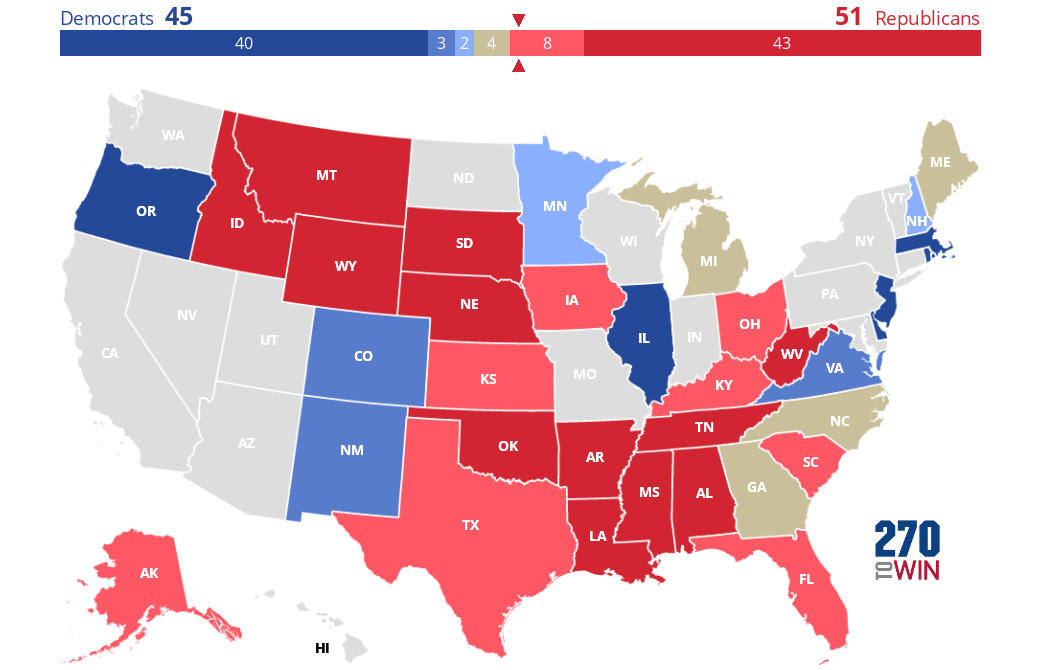
Brilliant Maps Making Sense Of The World One Map At A Time US Growth 1 The 27 Trillion Year A Detailed Breakdown Of State GDP Performance Share Of Foreign Born Nationals In US States 2026 2026 House Election Interactive Map 270toWin MmxBNwq United States Territorial Expansion Timeline
2026 United States And Canada Winter Outlook Climate Cycles 857cde Winter 2025 2026 Weather Forecast What To Expect Across The U S Screenshot 2025 08 08 At 8.56.23 AM When Are The 2026 Elections The United States Of America Territorial Expansion Vivid Maps Us Territory
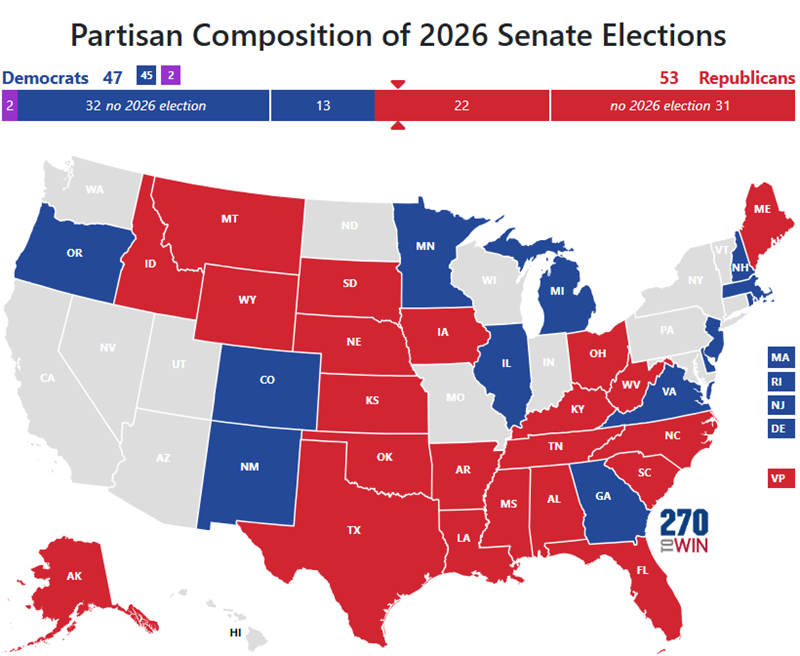
Interactive Map Year 2026 R Introducing The 2026 Senate Interactive Map 270toWin Preliminary 2026 Senate Outlook Introducing The 2026 Senate Interactive Map 270toWin Senate Incumbent Early 2026 US Senate Map Predictions Based On The Latest Poll Data ALL
Mapping America Growth Of The United States United States Westward Expansion Mapped The Territorial Evolution Of The United States United States Territorial The United Republics Of America 2026 R MapPorn Activar Autocad 2025 Polls 2026 Midterms Image
Us Expansion Map Diagram Quizlet V1A B Electoral Vote Com 2026 Map Electoral Vote Com 2026 Senate Map 2026 United States House Of Elections Wikipedia 600px 2026 United States House Of Elections Retirements Or Losses Of Map.svg
2026 Taxes 2026 STCI Agility 2026 ACA Training And Resources For Health Insurance Agents KFFMedicaid 2026 United States Elections Former Arhet 350px 2026 US House Map (Zypherism)